

Back to Blog
General25 September 2026 Shraddha TekurkarLinkedIn

Neurological and Brain Development in Early Childhood

Discover how the preschool brain develops through synaptic pruning and myelination, and why warm, play-based routines are far more effective than academic pressure for three- and four-year-olds

Neurological and Brain Development in Early Childhood

Quick answer: Neurological development in three- and four-year-olds involves rapid synaptic pruning, myelination, and the critical expansion of language and memory systems. Engaging children in high-quality baby classes in Reading provides the gentle, rich, and joyful sensory stimulation necessary to maximize this peak period of brain plasticity.

What Is Neurological Development in Early Childhood?

Neurological development is the biological maturation of the brain's structure, encompassing the birth of neurons, synaptic wiring, and the myelination that speeds up neural signals. By age three, a child's brain already reaches approximately 80% of its adult volume. This preschool phase represents a blossoming period where synaptic density peaks, making the brain exceptionally sensitive to environmental inputs.

Neural Connections and the Role of Experience

Every sensory experience, conversation, and playful interaction physically shapes the neural pathways inside a young child's brain.

  • Synaptic pruning: Connections that are used repeatedly grow stronger, while those left idle are systematically trimmed away.
  • Responsive interaction: Warm, consistent parental input quickly compounds into confident thinking, curiosity, and emotional connection.
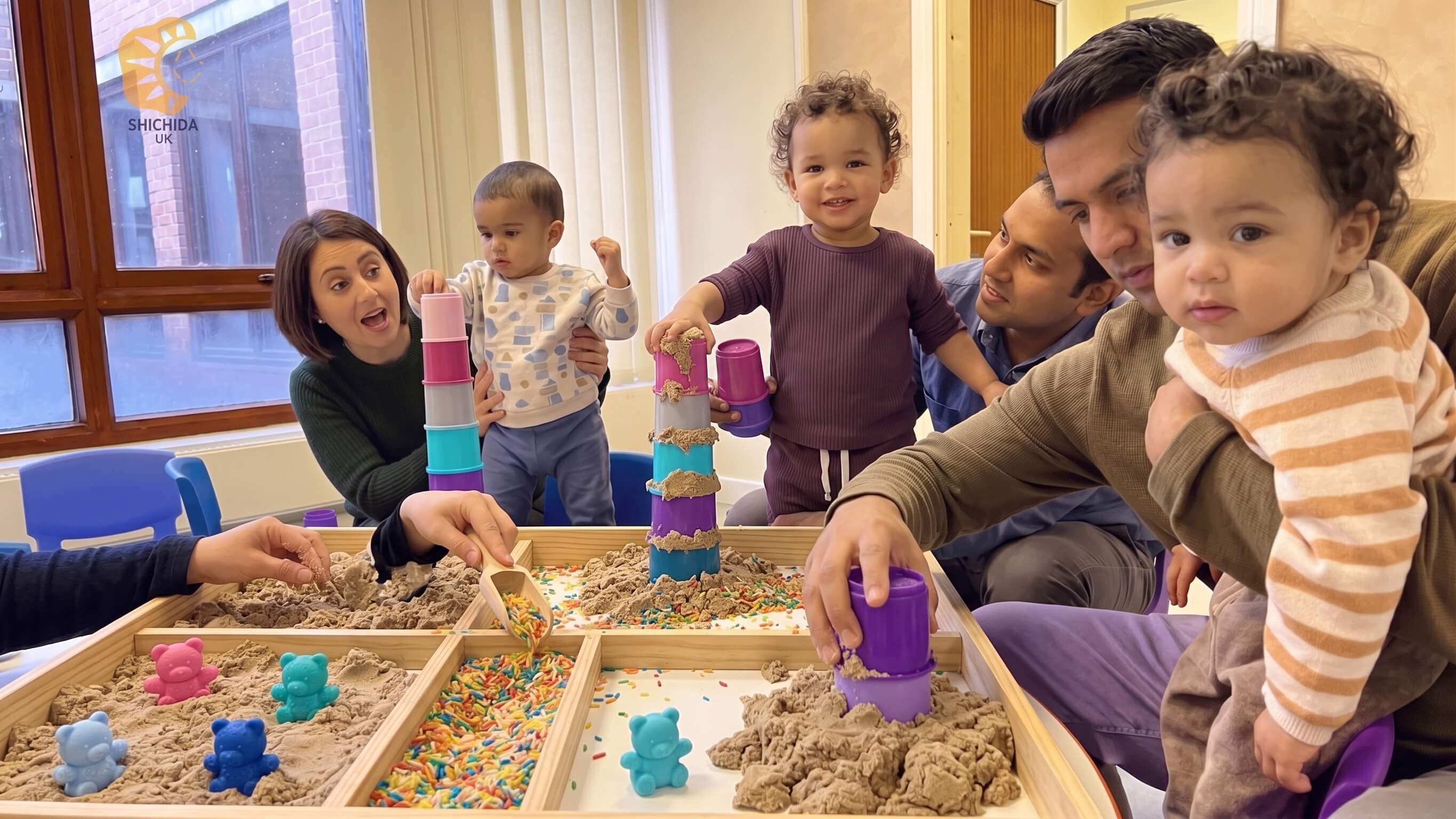
  • Active participation: Preschool classes nurture these neurological connections through short, playful cycles without undue academic pressure.

How the 3-4 Year Old Brain Actually Works

The preschool brain matures across several distinct cognitive systems simultaneously, relying heavily on varied, play-based experiences to thrive.

Common Misconception Scientific Reality
Academic pressure and formal drilling accelerate early cognitive growth. Open-ended, play-based learning consistently outperforms formal drills for preschoolers.
A child's core intelligence is permanently fixed by age four. Brain plasticity remains remarkably high throughout childhood and well into adulthood.
All children hit neurological milestones on the exact same schedule. Variation is completely normal; milestones act as general guides rather than strict deadlines.

Maturing Brain Systems and Self-Control

The prefrontal cortex, which governs impulse control, planning, and decision-making, experiences measurable and rapid growth between ages three and four.

  • Self-regulation: A four-year-old can often pause and breathe during frustration, whereas a three-year-old's prefrontal cortex is still too immature to prevent meltdowns reliably.
  • Working memory: Most three-year-olds can hold two-way conversations, ask questions, and follow simple sequences.
  • Language expansion: By age four, sentence complexity, vocabulary, and episodic memory all take a significant developmental leap.

Brain Plasticity and Sensitive Learning Periods

Brain plasticity reaches a lifetime high during the preschool years, allowing the brain to efficiently reshape itself based entirely on daily experiences. Small, consistent, and loving inputs at home have outsized, long-term effects on cognitive capacity. Enrolling in structured toddler classes or baby classes in Reading helps families maximize these sensitive periods through intentional engagement.

Protecting the Developing Architecture

Chronic stress during the preschool years can severely disrupt the architecture of the developing brain, particularly within the areas governing memory and emotional regulation.

  • Attuned caregiving: A responsive, attuned relationship with a caregiver serves as the absolute strongest buffer against developmental disruption.
  • Shared attention: Pretend play, shared storytelling, and focused parental attention actively protect and nurture neurological health.
  • Healthy boundaries: Limiting excessive passive screen time prevents negative impacts on emerging executive function in the frontal lobe.

Cognitive and Developmental Milestones

Developmental milestones act as general maps showing what roughly 75% of children can achieve by a certain age, rather than functioning as strict pass-or-fail checklists. Reading them alongside a warm knowledge of your own child provides the most accurate developmental picture.

Key Growth Indicators

Both cognitive problem-solving and physical achievements reflect the growing cortical coordination between the brain and the body.

  • Problem-solving logic: Three-year-olds grasp cause and effect, while four-year-olds can count small groups and sort by category.
  • Emotional processing: Preschoolers learn to name their feelings, notice the emotions of peers, and resolve small conflicts verbally.
  • Fine motor control: Activities like stringing beads and independent dressing demonstrate early executive function forming within the brain.

How Parents Can Support Brain Development

Supporting a preschooler's neurological growth relies on warm, consistent everyday routines rather than requiring expensive toys or intense academic pressure.

Everyday Neurological Fuel

Predictable daily sequences, such as dinner, bath, and storytime, actively build temporal reasoning while keeping cortisol stress levels calm.

  • Descriptive conversation: Talking through daily tasks grows vocabulary much faster than screen-based input at this age.
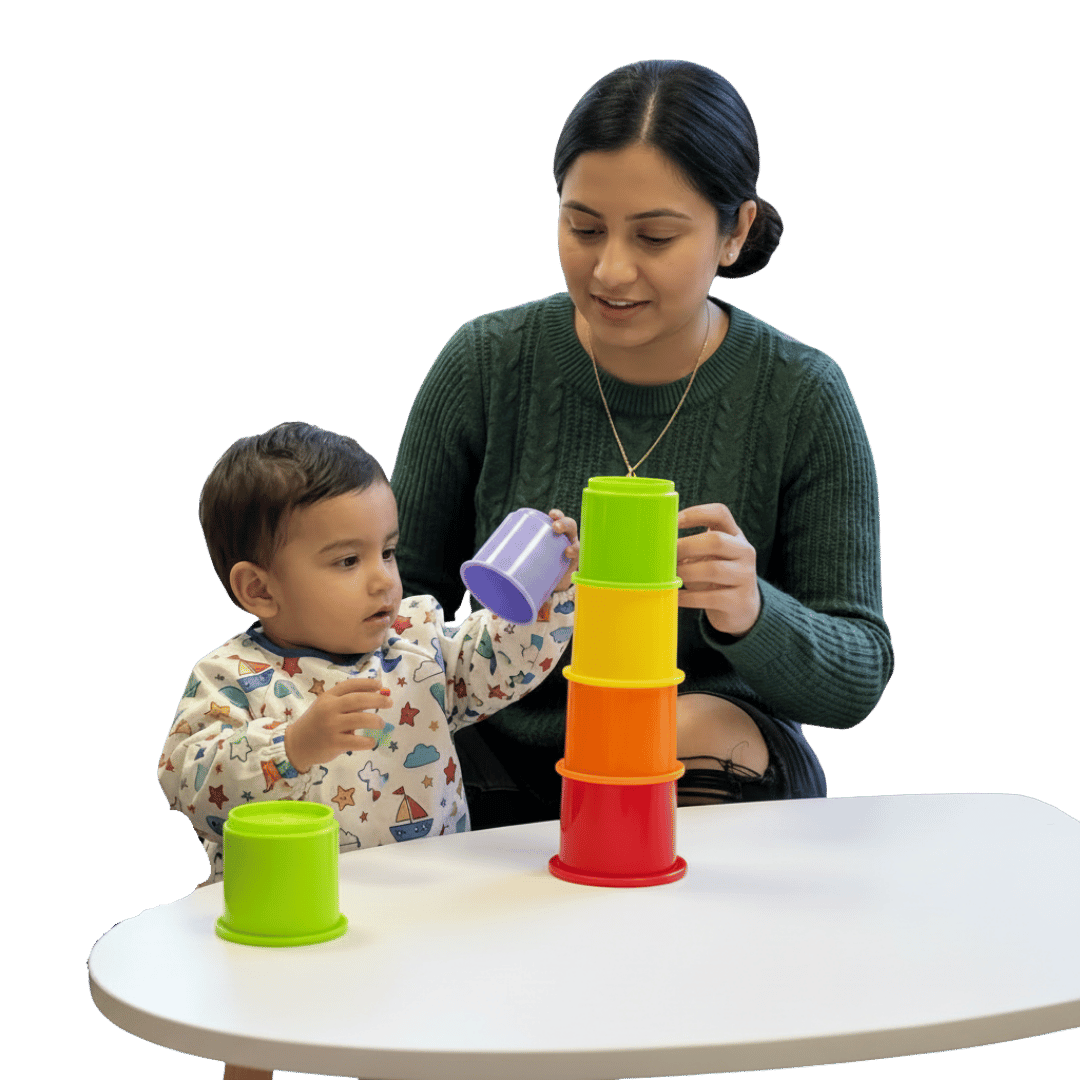
  • Hands-on play: Building and puzzle-solving quietly recruit vital planning and prediction circuits in the prefrontal cortex.
  • Structured methods: Complementing home routines with the Shichida method ensures learning remains deeply bound up with joy and connection.

Frequently Asked Questions

What is happening in a child's brain at age 3 and 4?

The brain refines connections through synaptic pruning and myelination while rapidly expanding its memory, language, and self-control systems. Everyday play, conversation, and warm caregiving directly dictate which neural pathways become strong and lasting.

How much of the brain is developed by age 4?

By age three, a child's brain has already reached approximately 80% of its total adult volume. By four, it has built the vast majority of the foundational connections that it will refine and sculpt for years afterwards.

Does play really help brain development in young children?

Yes, play seamlessly recruits problem-solving, memory, language, and social circuits all at once, proving more effective than direct instruction. Pretend play actively strengthens the specific executive functions and creativity required for later school success.

What slows down or harms brain development in preschoolers?

Chronic stress, sleep deprivation, poor nutrition, and heavy passive screen time present the greatest risks to healthy neurological growth. A responsive, loving relationship with a caregiver acts as the absolute strongest buffer against these environmental difficulties.


Sources & Further Reading

For readers who wish to explore the wider research surrounding early childhood neurological development, the following resources offer trusted guidance:

  1. National Institutes of Health (NIH). Research on Early Childhood Brain Volume and Maturation.
  2. Centers for Disease Control and Prevention (CDC). Developmental Milestones for 3- and 4-Year-Olds.
  3. Harvard University Center on the Developing Child. The Impact of Chronic Stress on Developing Brain Architecture.
  4. Zero to Three. Neural Connections and Sensitive Periods in Early Childhood.

Keep the conversation going

Discuss this article with AI

Shraddha Tekurkar, Executive Director and Curriculum Head at Shichida UK

Written by

Shraddha Tekurkar

Executive Director & Curriculum Head, Shichida UK

Shraddha Tekurkar leads curriculum development at Shichida UK and is certified directly through Shichida HQ in Japan. Her work focuses on developing engaging learning activities for young children within the Shichida approach.

Learn more about the Shichida UK team →