Back to Blog
Early Learning9 October 2026 Shraddha TekurkarLinkedIn

8 Calm Memory Games for Preschool Children (No Screens)

Eight calm, screen-free memory games for 3 to 6 year olds that build recall, focus and confidence through simple everyday play at home with your child.

8 Calm Memory Games for Preschool Children (No Screens)

Quick answer: Calm, screen-free memory games played at home build a preschooler's working memory, focus, and confidence without adding competitive pressure. Simple activities like the tray game, matching pairs, and rhythm copying take only five to ten minutes and serve as excellent supplements to structured cognitive development.

Why Memory Games Matter for Preschool Children

Working memory is the foundational ability to hold and use a small piece of information for a moment, which supports early learning skills like following two-step instructions and building puzzles. Between the ages of three and six, a child’s brain is doing remarkable work that benefits heavily from gentle cognitive stretching. Recall play quietly strengthens sequencing and vocabulary while building essential self-confidence. When a child remembers something on their own, they feel capable, which naturally keeps them curious.

The Value of Calm, Repetitive Play

A simple game repeated warmly over several weeks does far more for a child's cognitive development than a complicated activity attempted only once.

  • Short durations: Keeping sessions to five or ten minutes ensures the child stays engaged and enjoys the process.
  • Child-led pacing: Allowing the child to take the lead or replay a game multiple times helps repetition do the heavy lifting.
  • Praising effort: Emphasizing a child's thoughtful effort over the "correct" answer builds long-term resilience.

Pressure-Free Play vs. Formal Testing

Understanding how calm memory games differ from formal testing highlights why a relaxed environment is superior for early childhood learning.

Calm Memory Games Formal Testing & Drilling
Focuses on warmth, connection, and shared enjoyment. Focuses on competition, speed, and rigid correctness.
Drops timers and scores to eliminate performance anxiety. Relies heavily on scores, racing against the clock, or screens.
Stops while the child is still actively enjoying the activity. Pushes the child to complete the task even when frustrated.

8 Calm Memory Games for Preschool Children (No Screens)

These screen-free memory games require no special equipment or apps, relying instead on a few everyday objects and a little patience. They are designed to fit effortlessly into ordinary family life, whether on the kitchen floor or during a car ride.

  • 1. The tray game: Place five to seven familiar objects on a tray, let your child look for twenty seconds, cover it, remove one item, and ask which one is missing. For younger children, start with three items and simply ask them to name what they see.
  • 2. What's in the bag?: Fill a fabric bag with familiar objects so your child can reach in, feel a shape, and guess what it is before pulling it out.
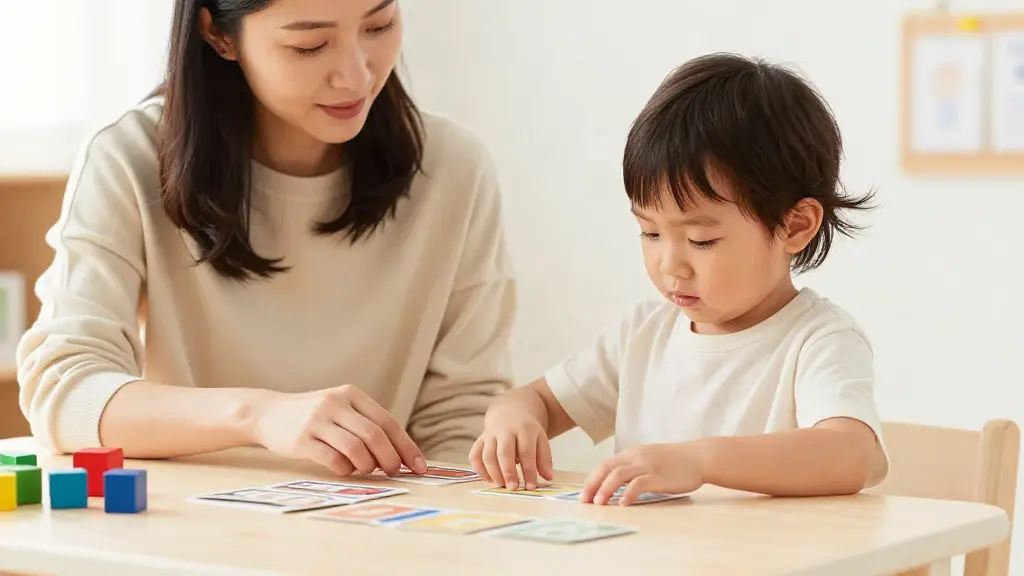
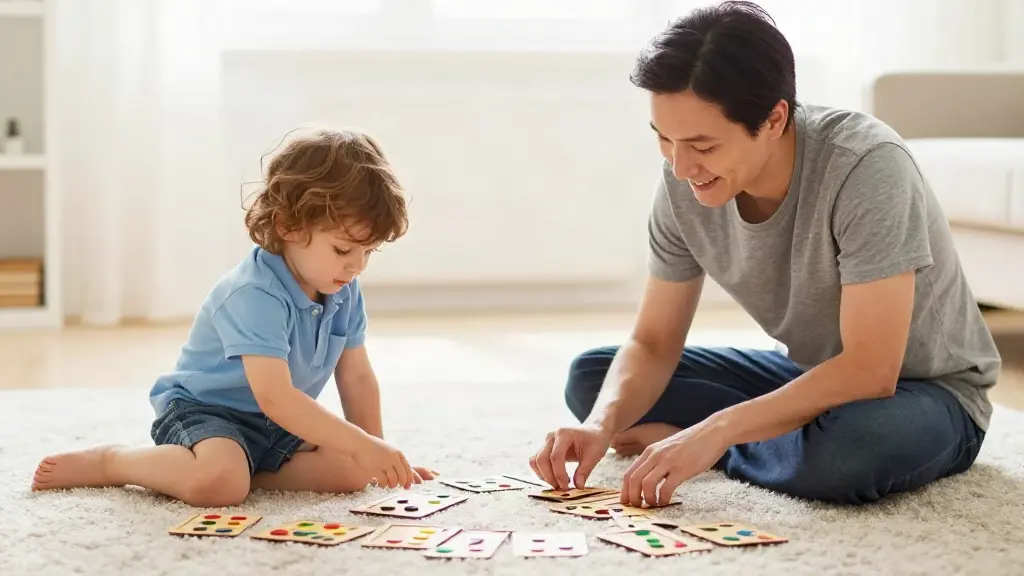
  • 3. Picture pairs: Use matching cards placed face down and take turns turning over two at a time to find a match, without using a timer or keeping score.
  • 4. Copy my rhythm: Clap or tap a short rhythm starting with two beats and invite your child to copy it, stretching their attention in a low-pressure way.
  • 5. The shopping list: Take turns adding imaginary items to a verbal list, repeating the whole sequence each time until someone forgets.
  • 6. Story recall: After reading a short picture book, ask gentle questions about the plot, framing it as remembering together rather than a strict test.
  • 7. Hidden toy clues: Hide a small toy and give simple clues (warm, warmer, cold) that your child must hold in mind to figure out where to look.
  • 8. Three good things: At the end of the day, take turns remembering three good things that happened, building a bedtime ritual that gently practices holding several ideas in mind.

Where the Shichida Method Fits

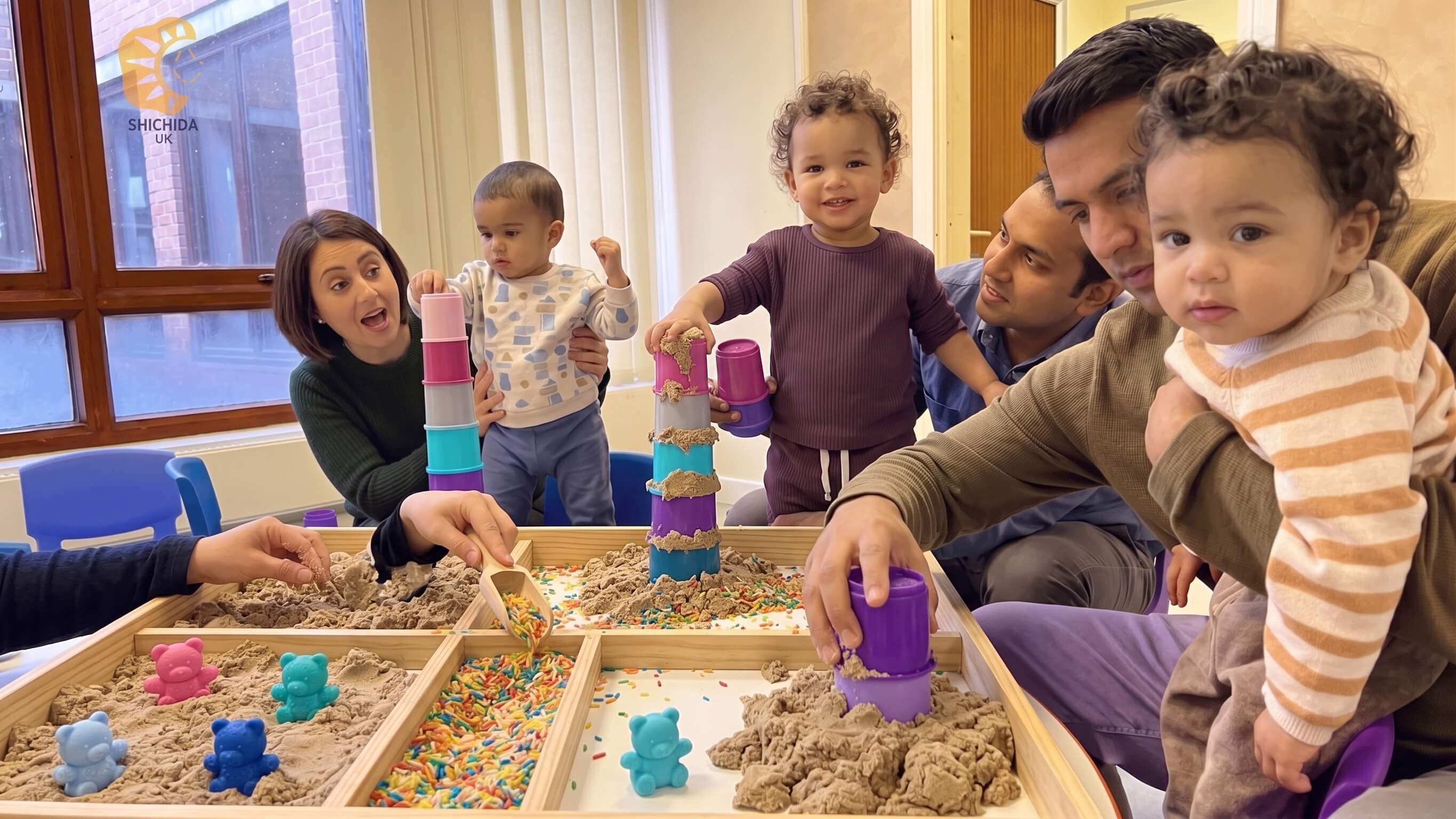
Structured cognitive programs beautifully complement the quiet learning moments happening on your living room floor. If you are looking for baby classes in Reading, the Shichida Method offers a weekly 60-minute parent-and-child class that builds memory, focus, and creativity. Combining these calm home games with our preschool classes gives your family a trusted method and a steady rhythm to keep learning joyful.


Frequently Asked Questions

Why are memory games important for preschool children?

Memory games develop working memory, which is essential for following instructions, building puzzles, and holding conversations. They also quietly strengthen attention, sequencing, and a child's overall self-confidence.

How long should we play memory games at home?

Keep sessions short, ideally lasting only five to ten minutes. It is much better to stop while your child is still enjoying the game rather than pushing them to the end.

Do I need special equipment or apps for these games?

No, the best memory games for preschoolers do not require screens or special tools. A fabric bag, a tray, everyday household items, and a few minutes of your attention are entirely sufficient.

How can I make learning pressure-free for my child?

Drop all timers and scores, focus on praising their effort rather than the correct answer, and allow the child to take the lead. The primary goal should always be warmth and connection, not competition.


Sources & Further Reading

For parents wishing to explore the science of working memory and early childhood development further, the following resources offer trusted guidance:

  1. National Association for the Education of Young Children (NAEYC). The Power of Play in Early Cognitive Development.
  2. Child Mind Institute. Understanding and Supporting Working Memory in Children.
  3. Understood.org. Working Memory: What It Is and How It Works.
  4. Shichida UK. Preschool Classes: Building Memory and Focus.

Keep the conversation going

Discuss this article with AI

Shraddha Tekurkar, Executive Director and Curriculum Head at Shichida UK

Written by

Shraddha Tekurkar

Executive Director & Curriculum Head, Shichida UK

Shraddha Tekurkar leads curriculum development at Shichida UK and is certified directly through Shichida HQ in Japan. Her work focuses on developing engaging learning activities for young children within the Shichida approach.

Learn more about the Shichida UK team →