Classes22 Jan 2019
Inside a 60-Minute Shichida Class
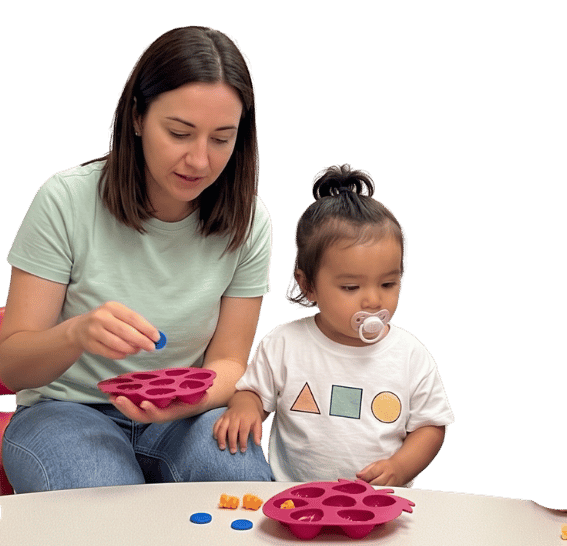
One hour, once a week, more than twenty activities. Why that particular shape works so well for cognitive development in the early years.
Read more
Never been to a class? Here is the hour, minute by minute, so you know exactly what you are walking into.
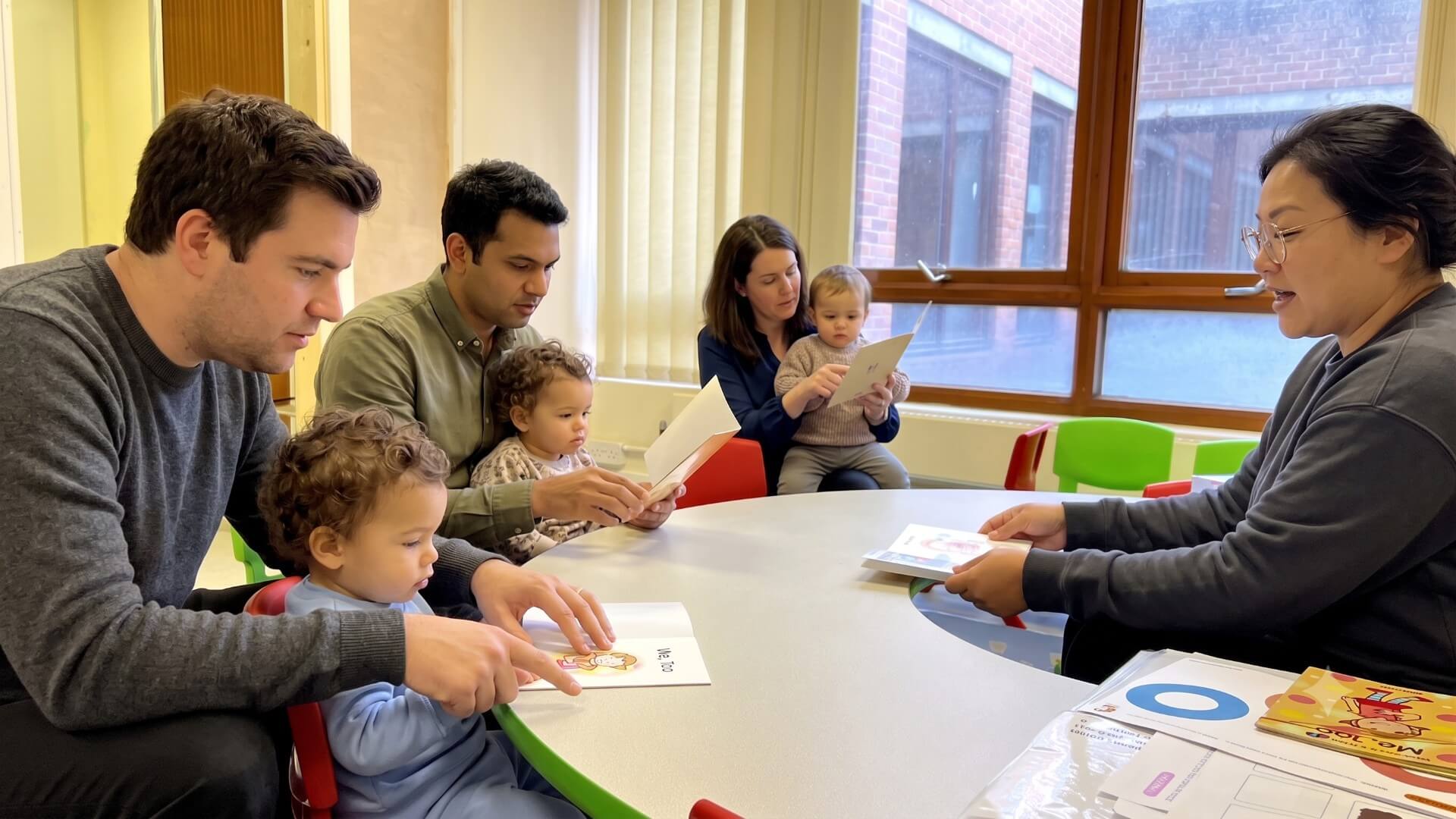
You arrive a few minutes early, shoes off, and settle onto the mat beside your child. The room is deliberately plain — no bright clutter on the walls — because a distraction-free environment is part of the method, not an oversight in the decorating.
Every class opens the same way: a greeting song and a short breathing and imagery exercise. The repetition is intentional. A predictable start tells a young child's nervous system that it is safe to relax, and a relaxed child absorbs far more than an alert one.
Then the pace lifts. Flashcard sequences shown at speed. Memory games where your child recalls the order of hidden objects. Listening tasks. Number and quantity work. Spatial puzzles and shape sorting. Fine motor activities with pegs, beads or tongs. Each one lasts two or three minutes, and the instructor moves on before anyone has a chance to lose interest.
Somewhere in the middle we slow down for imagery work — eyes closed, a story told aloud, your child picturing the scene. It looks like nothing much is happening. It is one of the most valuable parts of the hour.
We finish with heart-based exercises: gratitude, a hug, an affirmation. Children leave calm rather than wired, which their parents appreciate on the journey home.
If your child spends most of their first session on your lap watching, that is a completely normal first class. Nothing is being missed.
Curious to see it for yourself? The easiest way to understand a Shichida class is to sit in one. Message our team on WhatsApp to book a trial class and we will help you choose the right stage for your child.
For readers who would like to explore the wider science of early years cognitive development, the following authoritative organisations offer trusted further reading:
Keep Reading
One hour, once a week, more than twenty activities. Why that particular shape works so well for cognitive development in the early years.
Read more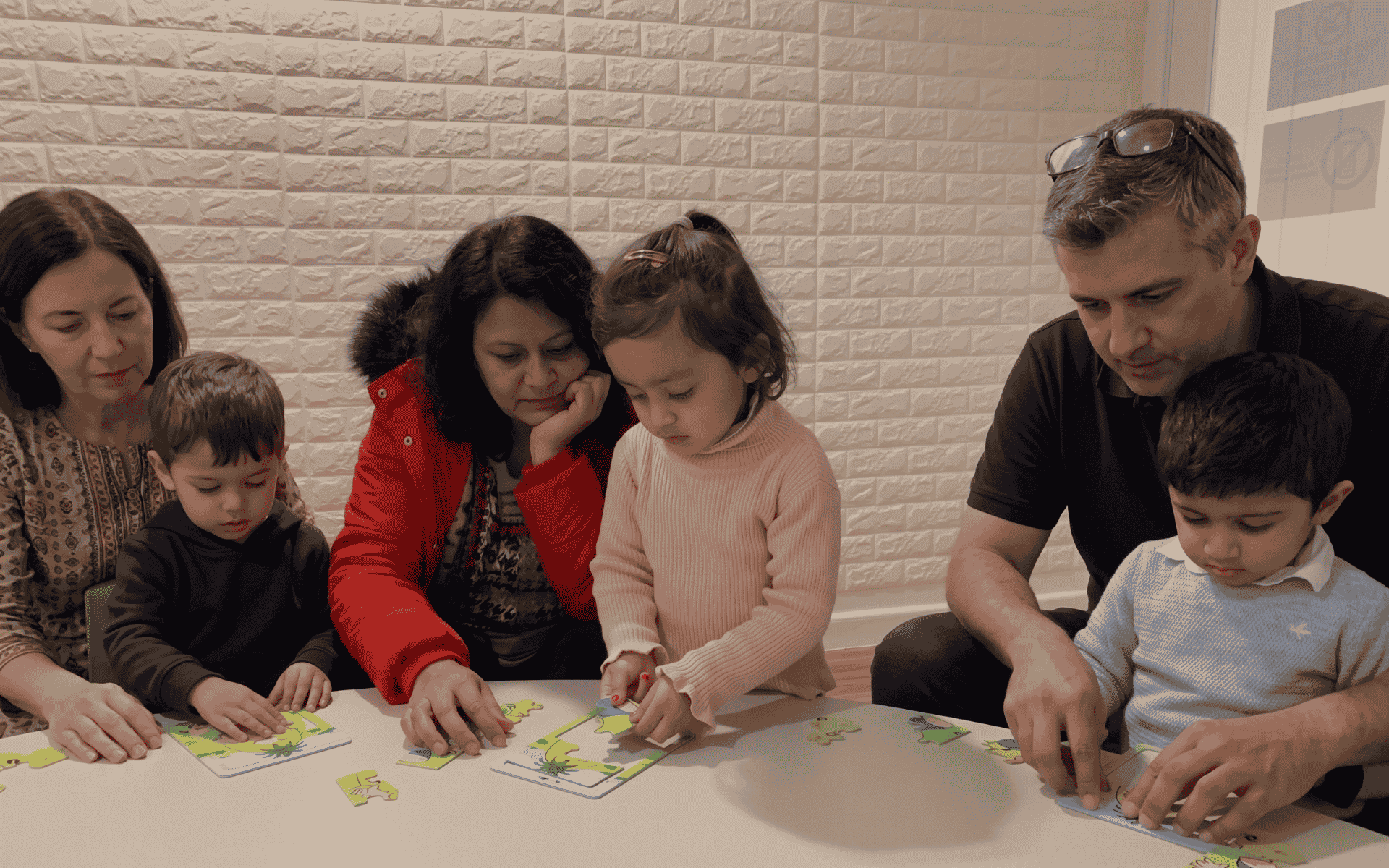
Five minutes at bedtime, done consistently, may be the highest-value habit in the whole method.
Read more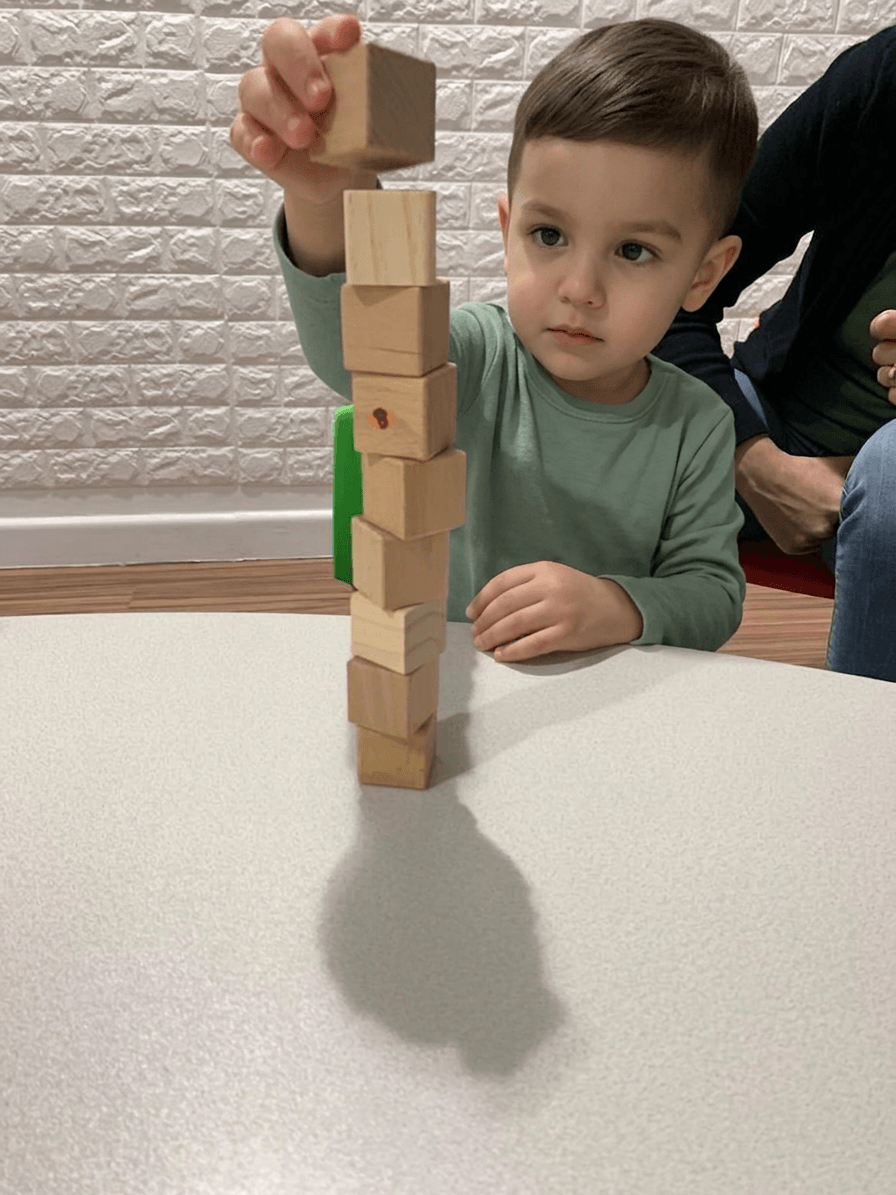
Practical, tested cognitive development activities from our classroom, adapted for a kitchen table and a five-minute window.
Read more