Classes8 Oct 2019
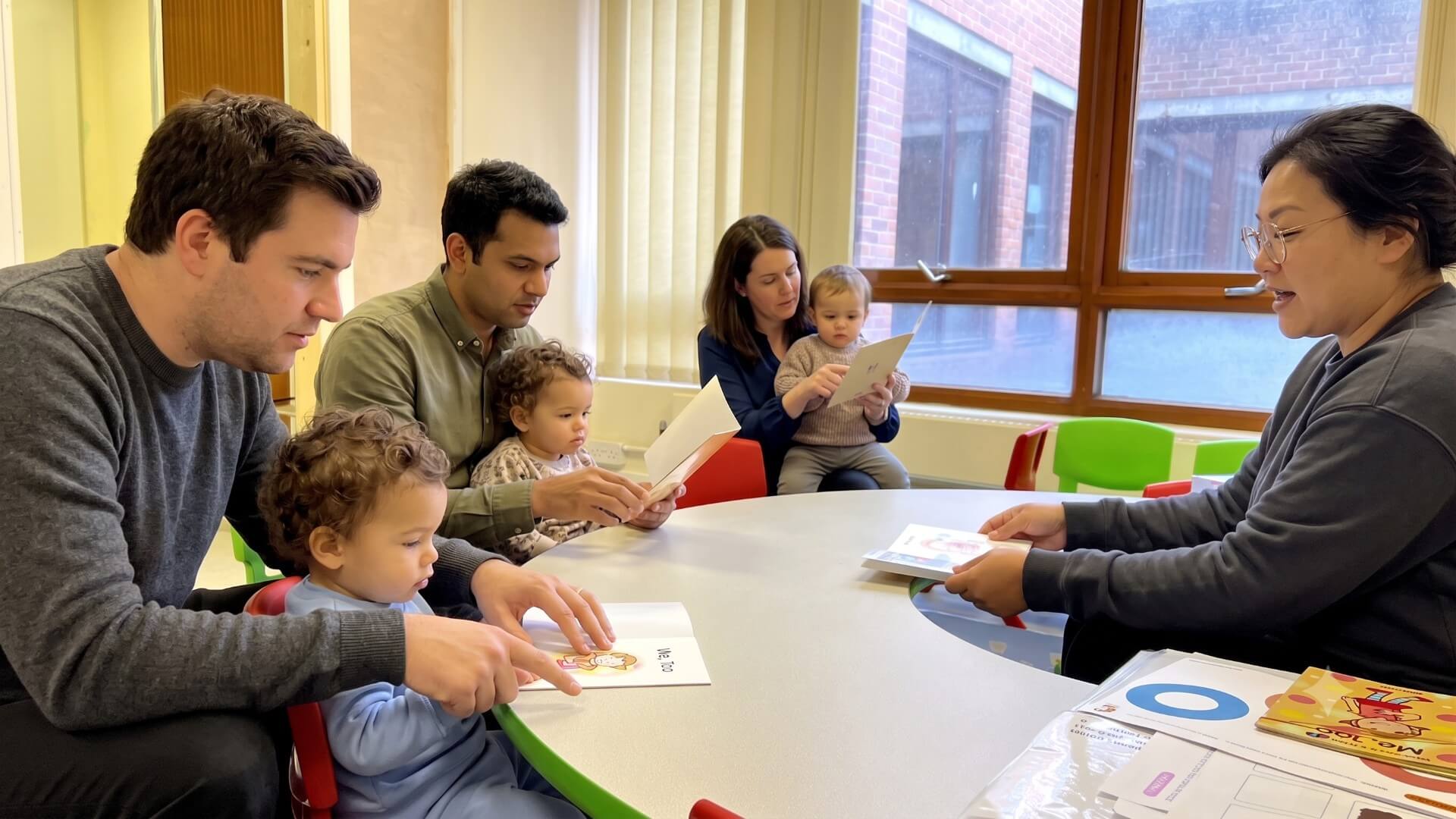
A Walk Through a Typical Shichida Session
Never been to a class? Here is the hour, minute by minute, so you know exactly what you are walking into.
Read more
One hour, once a week, more than twenty activities. Why that particular shape works so well for cognitive development in the early years.
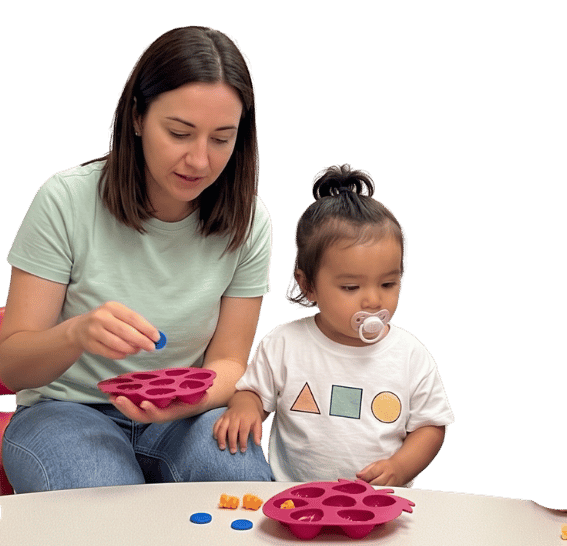
An hour is long enough to move through a genuinely varied programme and short enough that a young child leaves while still enjoying themselves. Ending on a high matters more than squeezing in another ten minutes.
Parents sometimes ask whether twice a week would double the benefit. In our experience it does not. The class is a seed; the growth happens at home during the week, in the small moments you carry back with you — a memory game while the pasta boils, an affirmation at bedtime. A weekly rhythm gives that time to breathe.
More than twenty distinct activities, each lasting only two or three minutes. Flashcard sequences, memory recall, listening work, rhythm and song, fine motor tasks, spatial puzzles, imagination exercises, and a calm closing routine. The constant change of pace is deliberate: it is precisely what keeps a two-year-old with you for a full hour.
Attention is trainable, but not by force. By stringing together many short, absorbing tasks, children experience sixty minutes of sustained engagement without ever being asked to sit still for sixty minutes. Over a term, most parents notice their child settling into activities at home for longer too.
Life happens. Illness, holidays, difficult mornings. One missed class will not undo anything — the method is cumulative and forgiving.
Curious to see it for yourself? The easiest way to understand a Shichida class is to sit in one. Message our team on WhatsApp to book a trial class and we will help you choose the right stage for your child.
For readers who would like to explore the wider science of early years cognitive development, the following authoritative organisations offer trusted further reading:
Keep Reading
Never been to a class? Here is the hour, minute by minute, so you know exactly what you are walking into.
Read more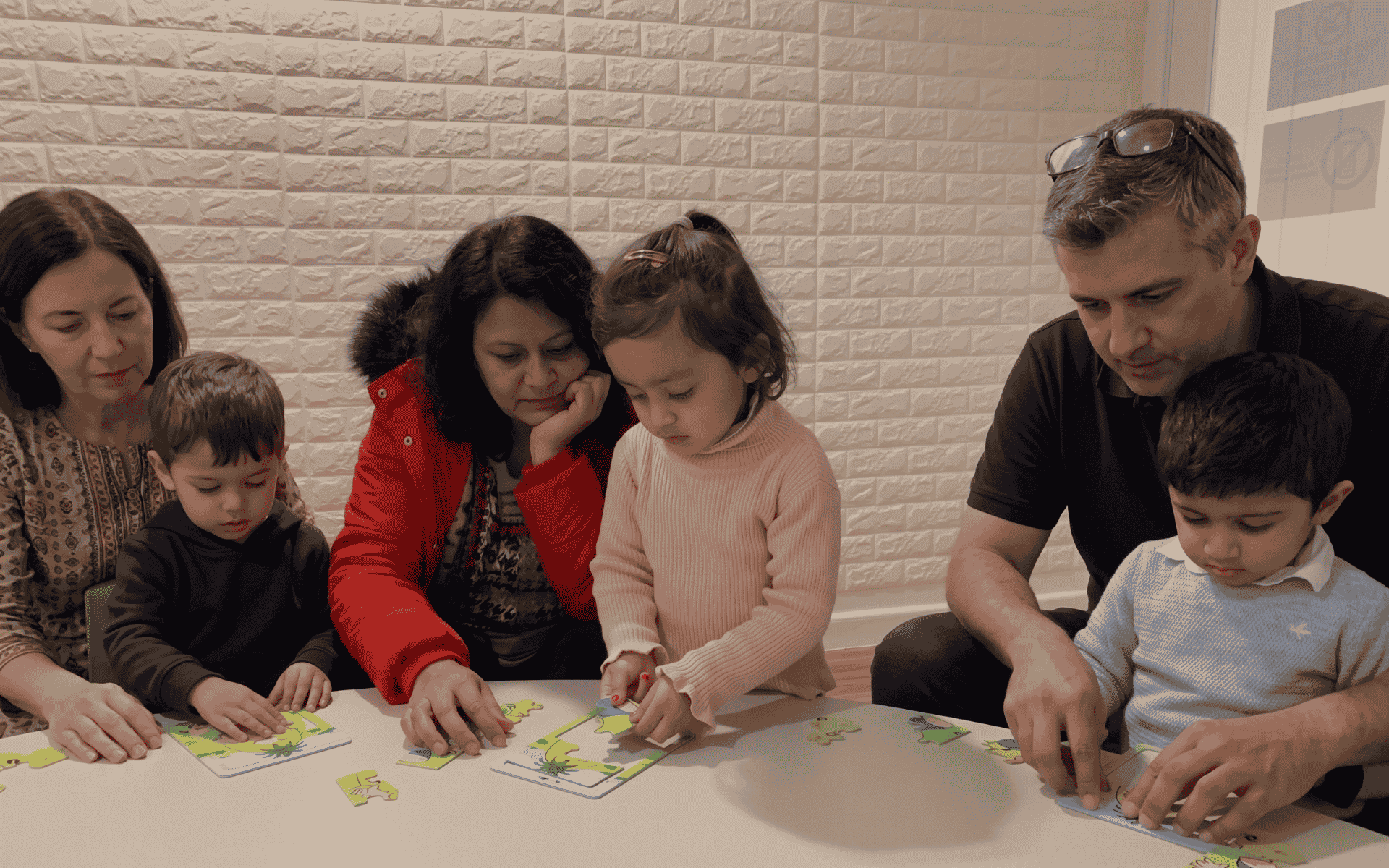
Five minutes at bedtime, done consistently, may be the highest-value habit in the whole method.
Read more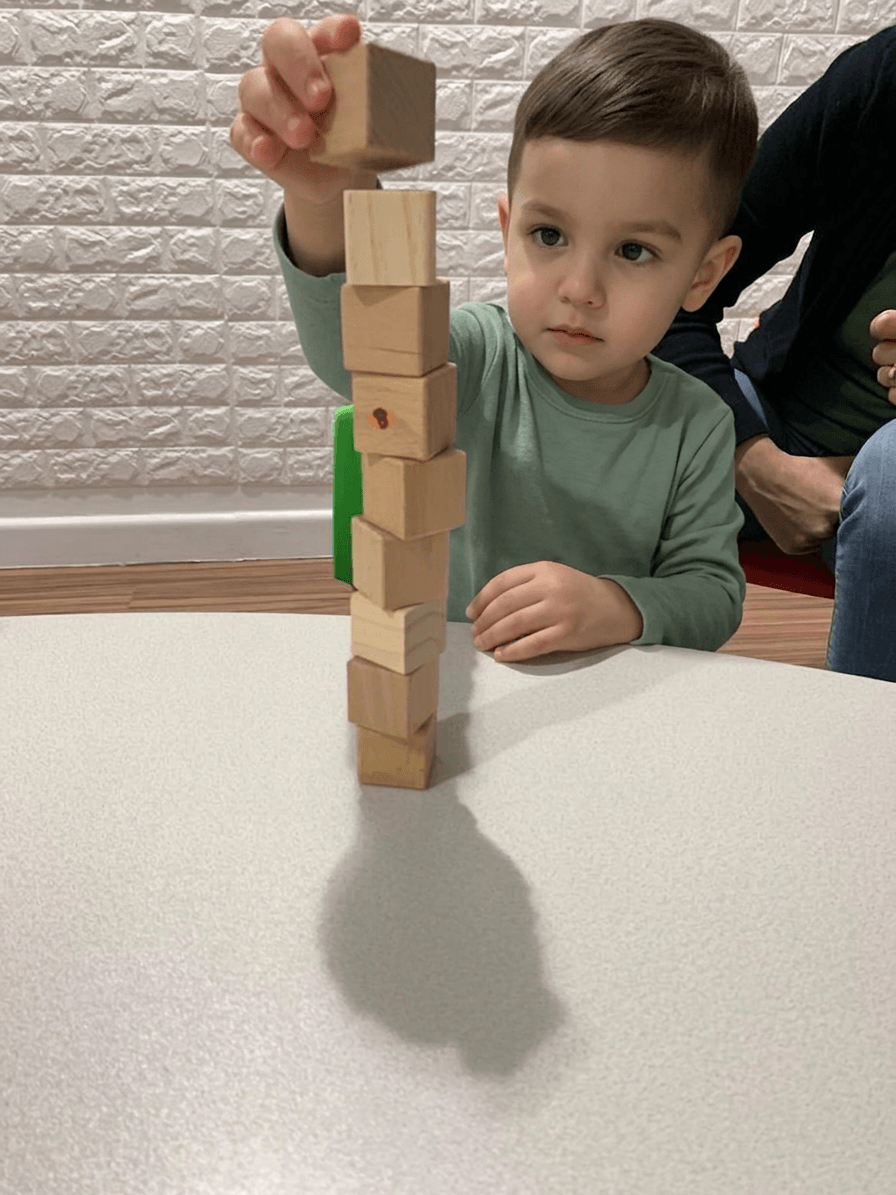
Practical, tested cognitive development activities from our classroom, adapted for a kitchen table and a five-minute window.
Read more