Parenting10 Nov 2020
The Benefits Parents Notice First
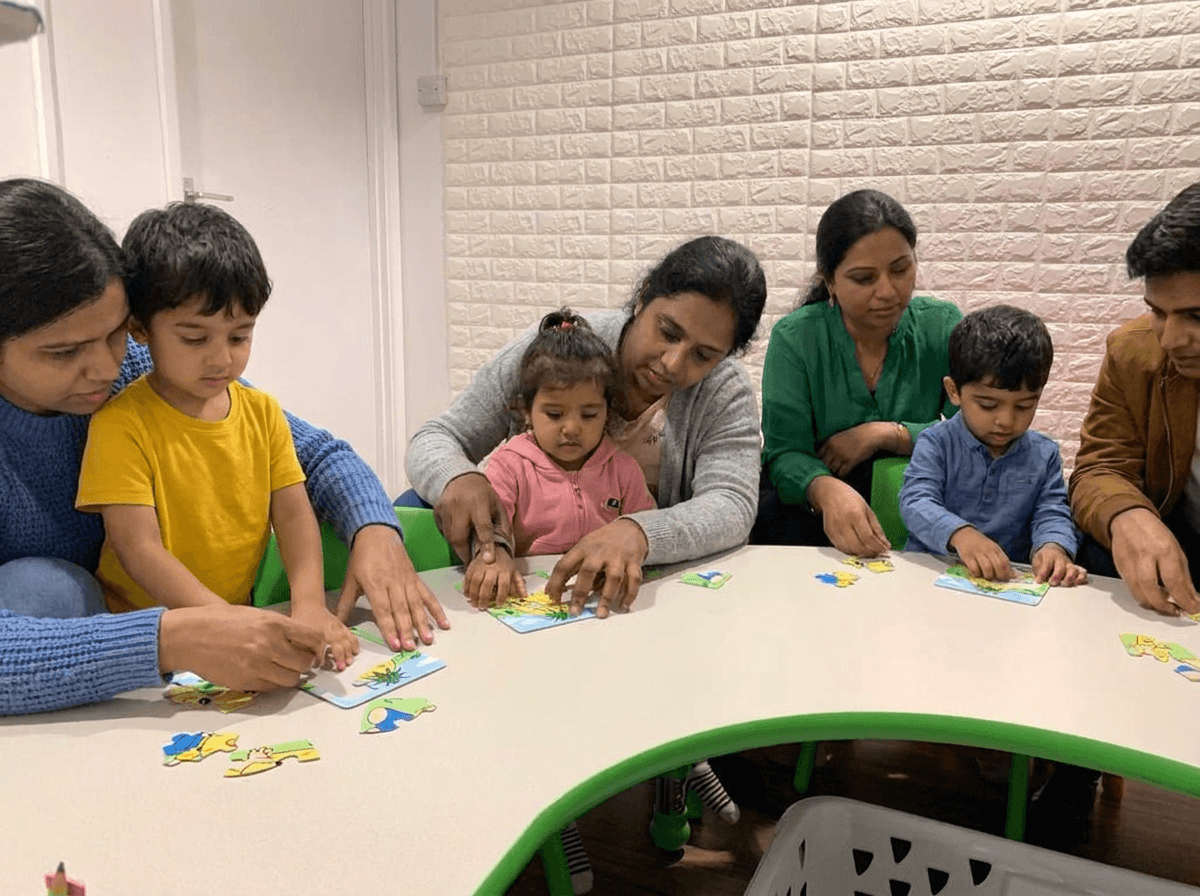
What actually changes at home after a term of early cognitive development classes? We asked our families, and the answers were remarkably consistent.
Read more
Five minutes at bedtime, done consistently, may be the highest-value habit in the whole method.
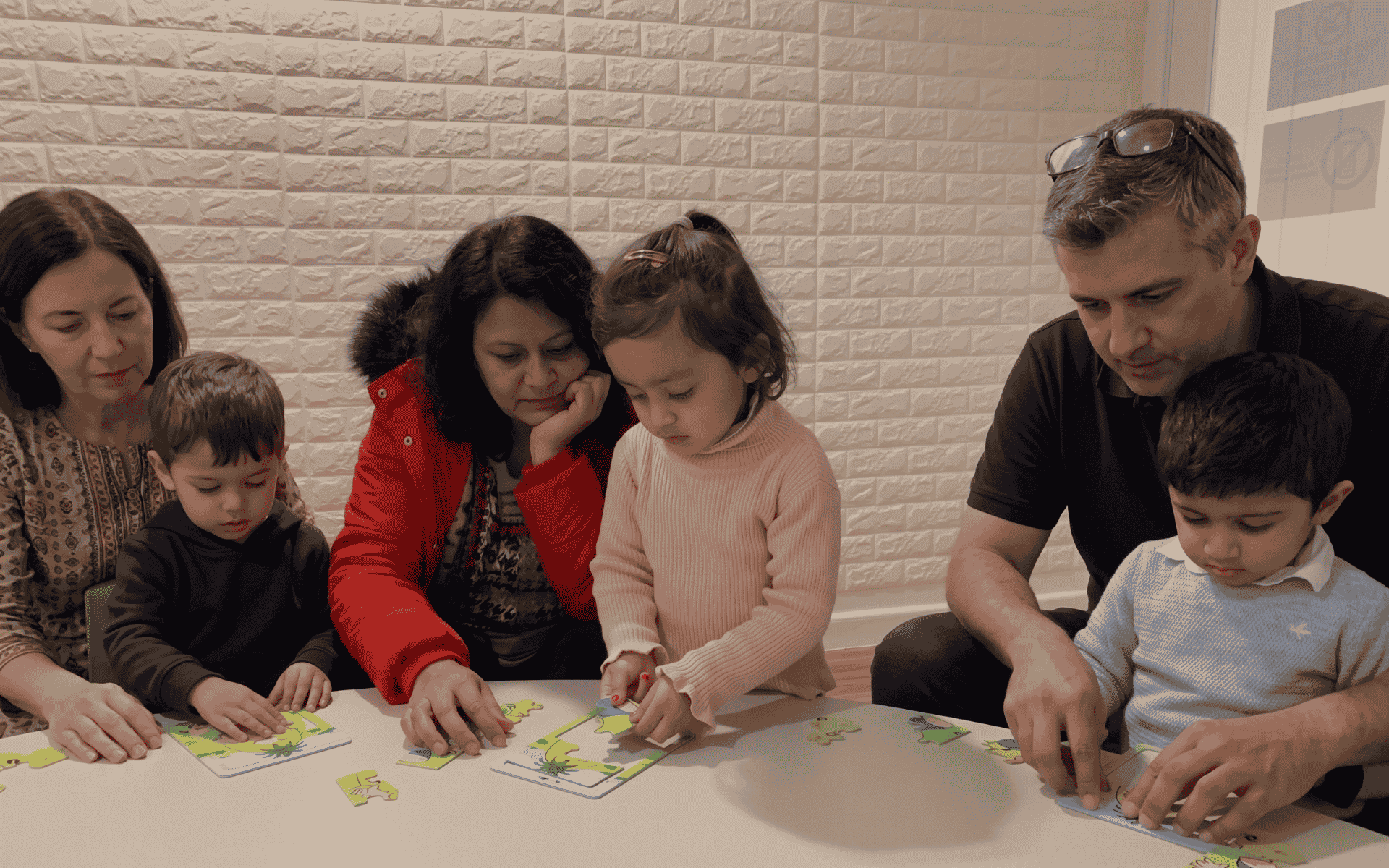
Of everything we send home with parents, the bedtime affirmation is the simplest, the cheapest and — judging by the feedback we get — the most transformative.
In the drowsy minutes before sleep, children are relaxed, physically close to you, and unusually receptive. Whatever is said in that window tends to settle deeply, which is as good a reason to be careful with it as to use it well.
Do not use the moment to review misbehaviour, however tempting. Do not make praise conditional. Do not rush it while looking at your phone — children detect divided attention instantly and it undoes the point.
Parents report calmer bedtimes within a fortnight and, over months, a noticeable shift in how children speak about themselves. A child who hears daily that they are loved and capable begins to describe themselves that way. That self-description shapes how they approach everything that follows.
Curious to see it for yourself? The easiest way to understand a Shichida class is to sit in one. Message our team on WhatsApp to book a trial class and we will help you choose the right stage for your child.
For readers who would like to explore the wider science of early years cognitive development, the following authoritative organisations offer trusted further reading:
Keep Reading
What actually changes at home after a term of early cognitive development classes? We asked our families, and the answers were remarkably consistent.
Read more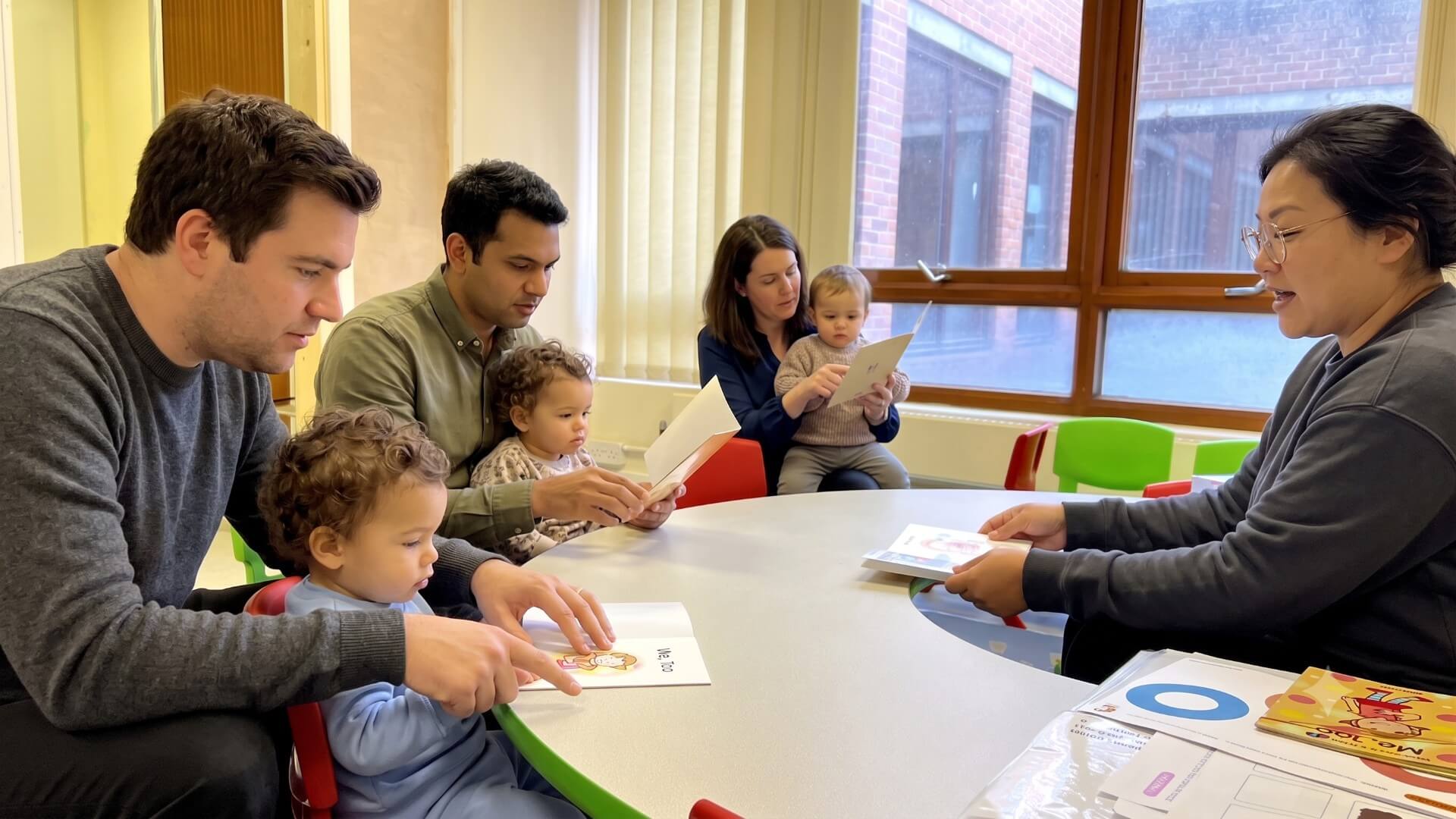
Never been to a class? Here is the hour, minute by minute, so you know exactly what you are walking into.
Read more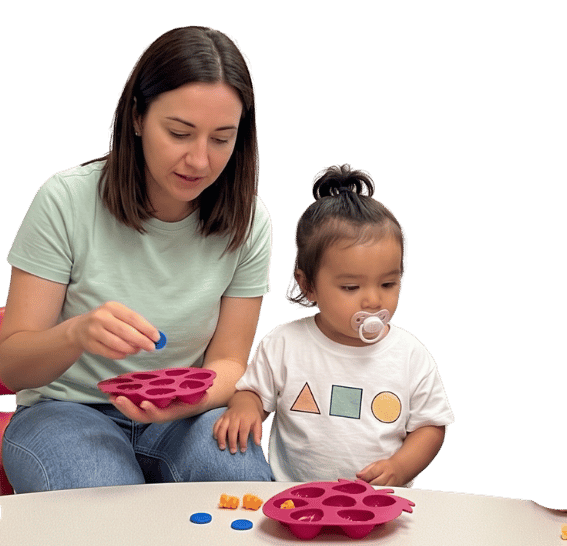
One hour, once a week, more than twenty activities. Why that particular shape works so well for cognitive development in the early years.
Read more