Parenting13 Aug 2024
The Power of Positive Affirmation Before Sleep
Five minutes at bedtime, done consistently, may be the highest-value habit in the whole method.
Read more
What actually changes at home after a term of early cognitive development classes? We asked our families, and the answers were remarkably consistent.
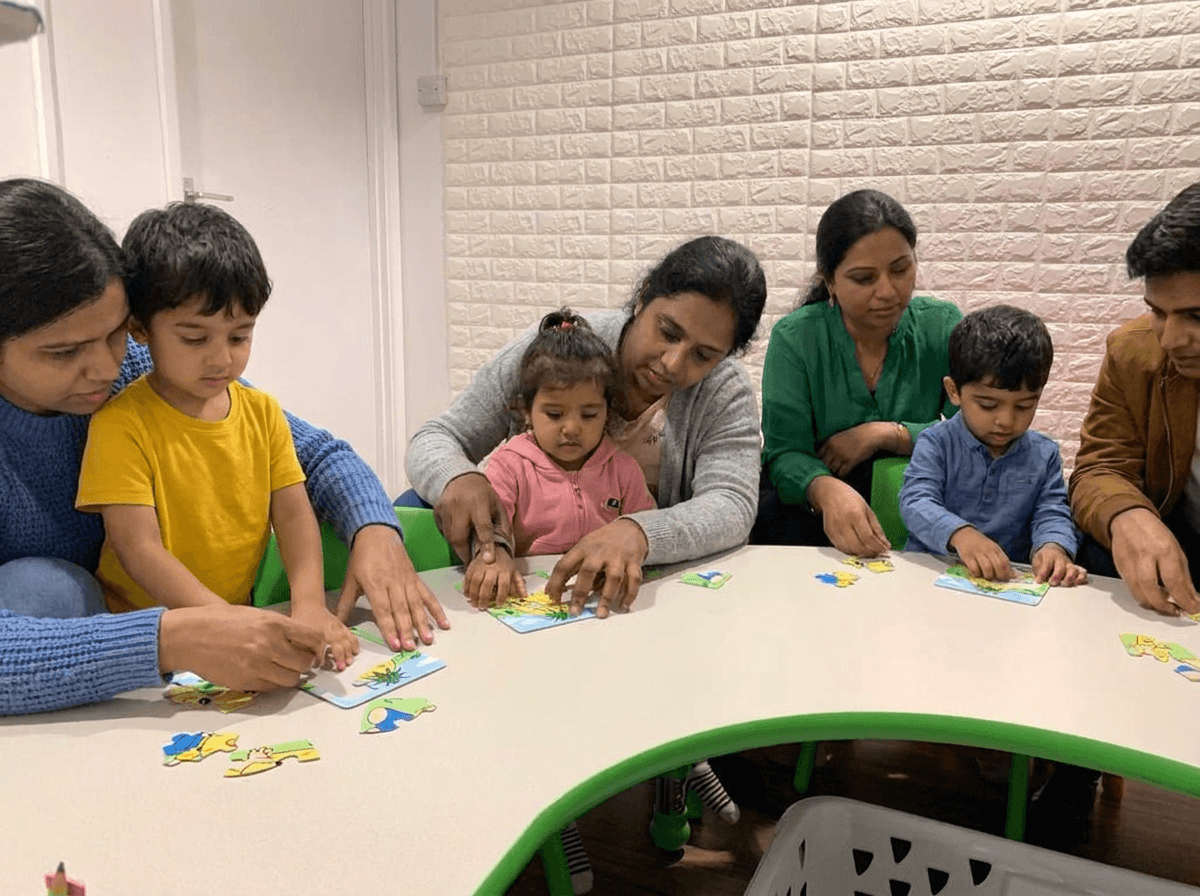
After a term or two, the feedback we hear at the door falls into a few clear categories. None of them are the ones parents expect when they enrol.
This is almost always first. A child who used to abandon a puzzle after thirty seconds now stays with it. Attention built in class transfers to the kitchen table surprisingly quickly.
Not just more words, but more precise ones, and used earlier than expected. The rapid naming work does a great deal of quiet groundwork here.
Children start recalling details from days earlier — where a toy was left, who they met at the park, the order of a bedtime story. Working memory is one of the strongest predictors of later academic ease.
This is the one parents did not sign up for and value most. Fewer meltdowns, better recovery from disappointment, more spontaneous kindness towards siblings. It is the direct product of the heart-based exercises we run in every class.
Because nothing in class is graded, children stop fearing the wrong answer. That confidence to attempt something unfamiliar is, in the long run, worth more than any single skill.
None of this arrives in week two, and it does not arrive on a schedule. Development is uneven — plateaus are normal and are usually followed by a jump.
Curious to see it for yourself? The easiest way to understand a Shichida class is to sit in one. Message our team on WhatsApp to book a trial class and we will help you choose the right stage for your child.
For readers who would like to explore the wider science of early years cognitive development, the following authoritative organisations offer trusted further reading:
Keep Reading
Five minutes at bedtime, done consistently, may be the highest-value habit in the whole method.
Read more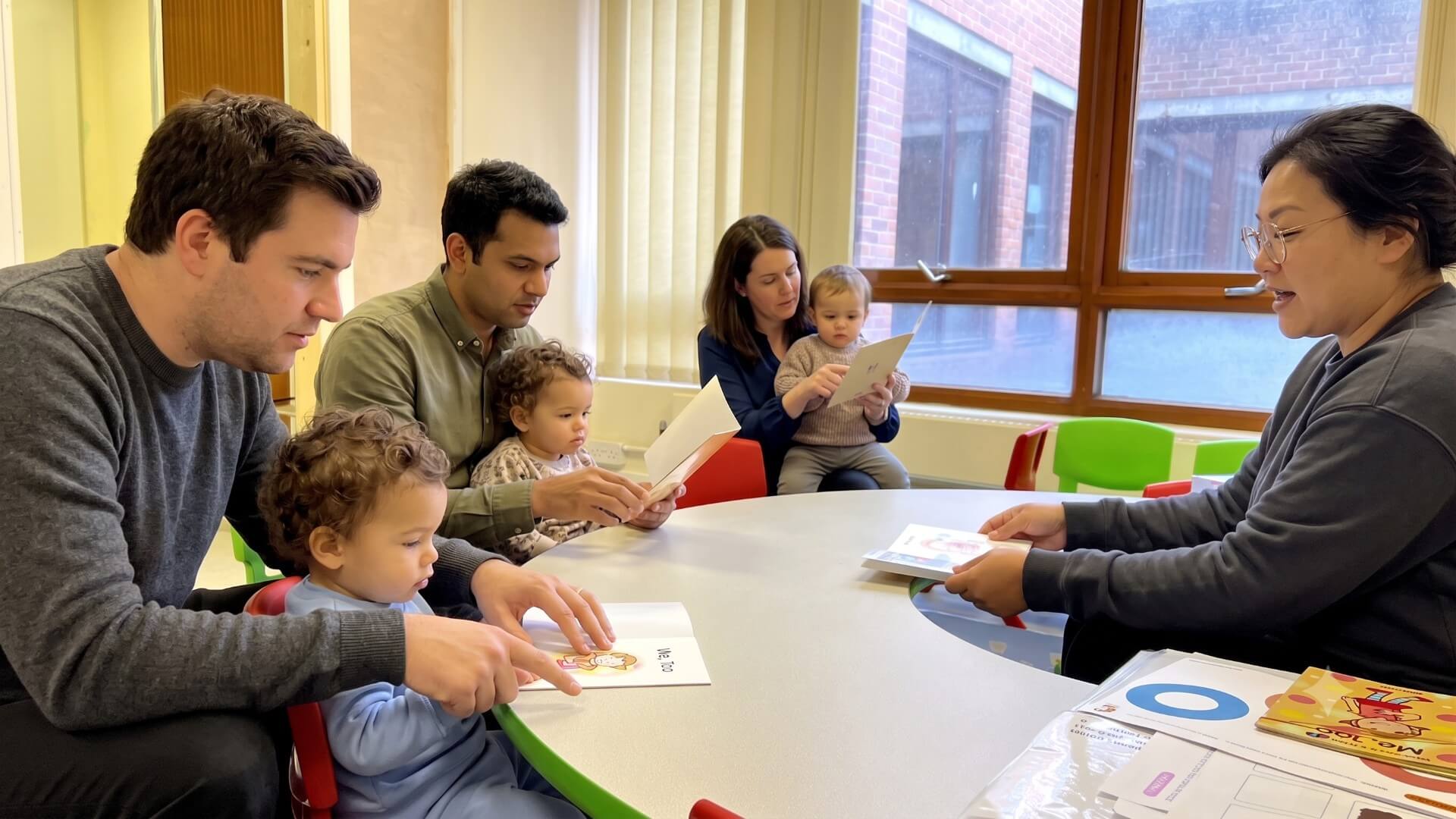
Never been to a class? Here is the hour, minute by minute, so you know exactly what you are walking into.
Read more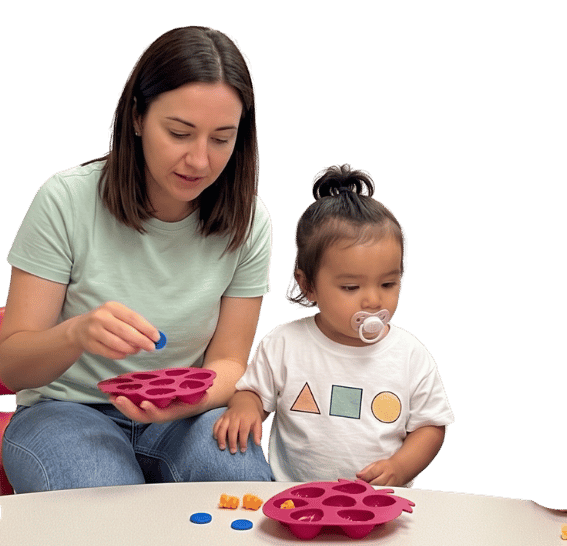
One hour, once a week, more than twenty activities. Why that particular shape works so well for cognitive development in the early years.
Read more