
Education17 Apr 2018
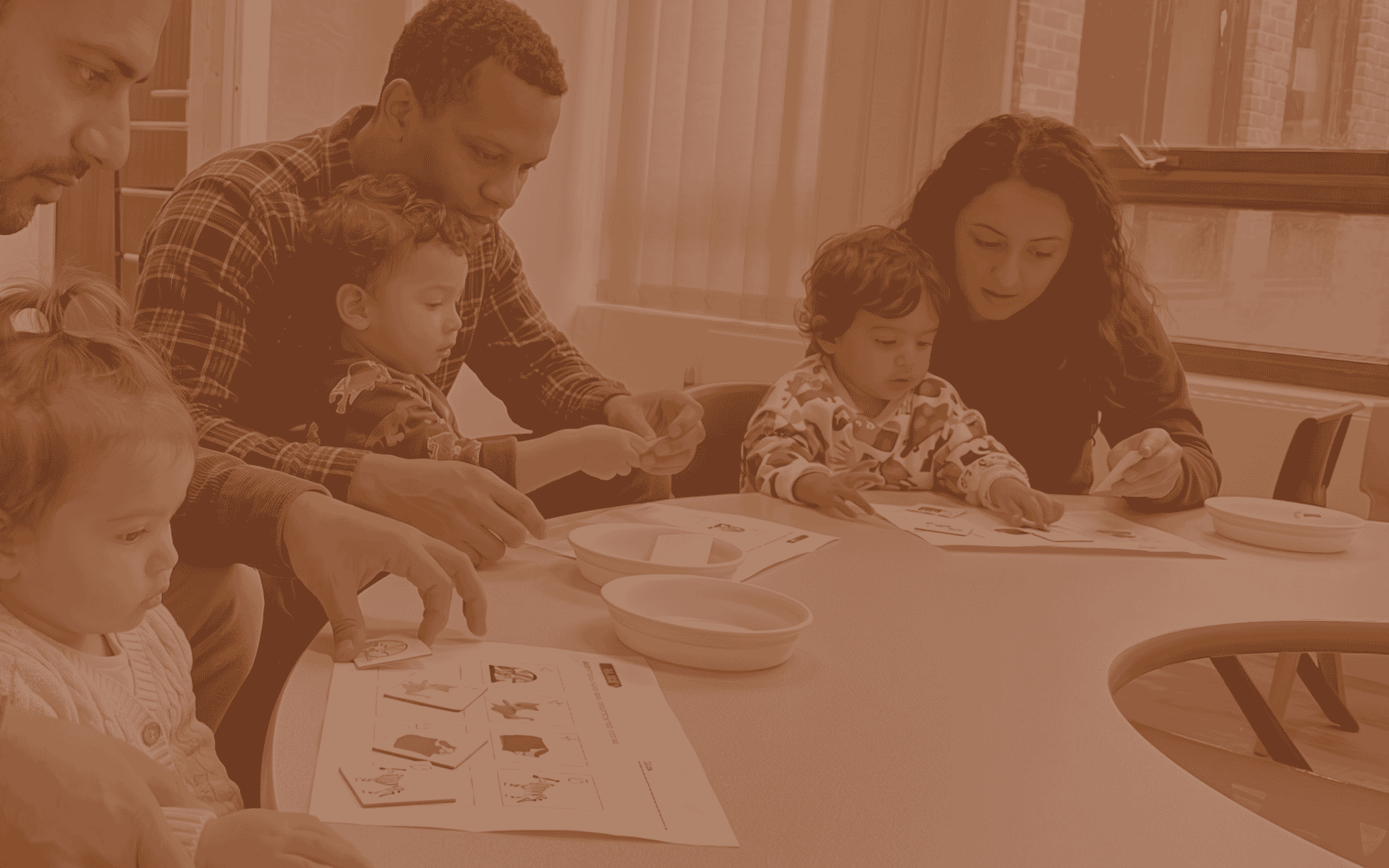
Understanding the Golden Period of Brain Development
The window between six months and six years is biologically unique. Here is what neuroplasticity means in practice for your baby's early cognitive development.
Read more
Simple, joyful early years activities that extend what happens in class — using nothing more than what is already in your house.
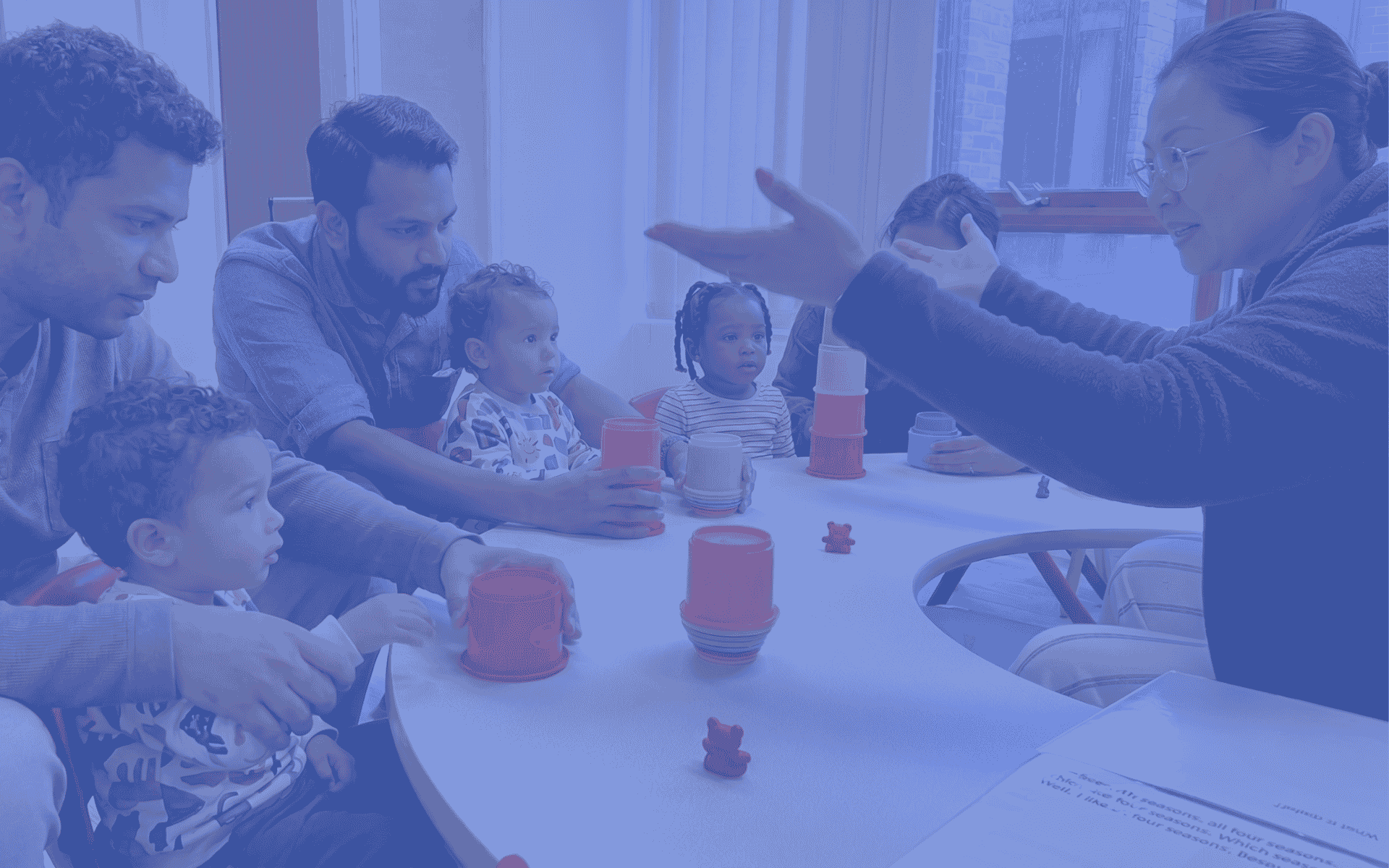
Quick answer: Supporting your child's cognitive development at home requires only a few focused minutes daily, not hours of rigorous study. By integrating short bursts of flashcards, interactive storytelling, rhythm games, and sensory play, parents can reinforce neural pathways formed during formal classes. The most critical ingredient is undivided parental attention to ensure learning remains an engaging, stress-free experience.
Habits and neural connections formed in structured early years classes are cemented during the week at home. You do not need hours of dedicated teaching time to make a difference; highly effective cognitive stimulation happens in minutes.
Integrating cognitive development into your daily routine is about consistency and engagement. Here are five foundational activities you can start today:
How parents spend time with their children drastically alters the cognitive benefits of that time. Here is how passive environments compare to active, method-aligned support.
| Passive Home Environment | Active Home Support |
|---|---|
| Long hours of distracted companionship (e.g., parent on phone). | Short, 10-minute bursts of 100% undivided attention and connection. |
| Reading to a child while they passively listen. | Asking the child to visualise and describe scenes after closing the book. |
| Forcing educational activities until they feel like a chore. | Stopping while the child is still enthusiastic to protect their love of learning. |
If any activity starts to feel like a chore for either of you, stop and come back to it next week. Enthusiasm is the fuel for early learning, and it is your job to protect it.
Curious to see it for yourself? The easiest way to understand a Shichida class is to sit in one. Message our team on WhatsApp to book a trial class and we will help you choose the right stage for your child.
You only need 10 to 15 minutes of highly focused, engaged time per day to see significant cognitive benefits. Consistency and undivided attention matter far more than the total duration of the activity.
Showing flashcards rapidly at a speed of about one second per card stimulates the right hemisphere of the brain. This high-speed input bypasses logical processing and helps develop photographic memory.
Everyday household items like dry rice, water, play dough, fabric scraps, warm towels, or cold spoons make excellent sensory tools. These items provide varied tactile and temperature inputs that build essential neural pathways.
Listening to varied musical styles and clapping along builds strong auditory processing skills. It also introduces children to rhythm, which is a foundational element for early mathematical pattern recognition.
For readers who would like to explore the wider science of early years cognitive development and home learning, the following authoritative organisations offer trusted further reading:
Keep the conversation going
Keep Reading
The window between six months and six years is biologically unique. Here is what neuroplasticity means in practice for your baby's early cognitive development.
Read more
Our very first post. Here is what we plan to share with parents about early cognitive development, and why we decided to start writing in the first place.
Read more
A calm consideration of screens’ effect on developing attention and cognition, with thoughts on mindful consumption.
Read more