
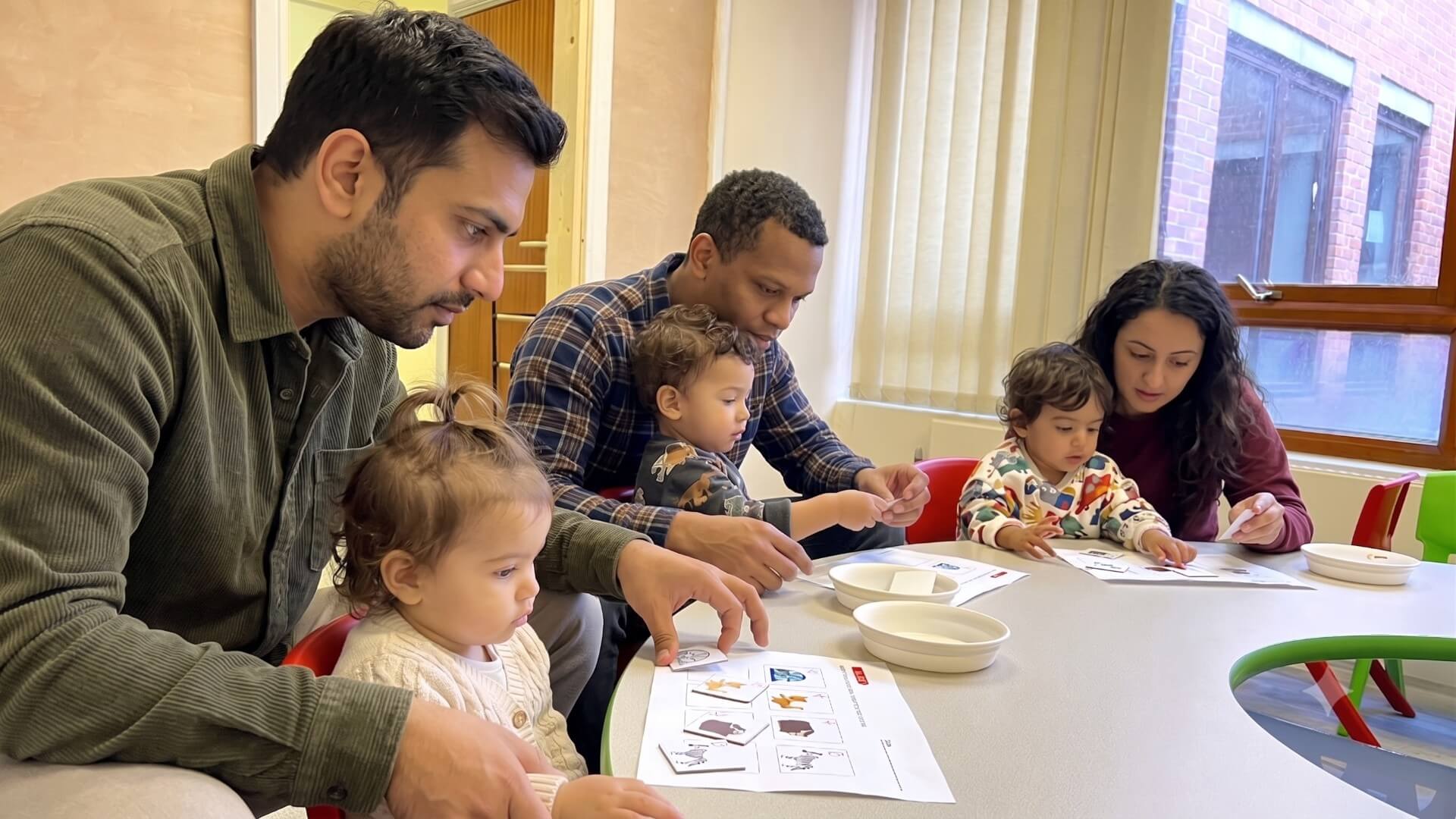
Education19 Mar 2024
Getting Ready for Reception: School Readiness That Matters
Reception teachers do not need your child to read. Here is what early years cognitive development really prepares them for on day one.
Read more
The window between six months and six years is biologically unique. Here is what neuroplasticity means in practice for your baby's early cognitive development.
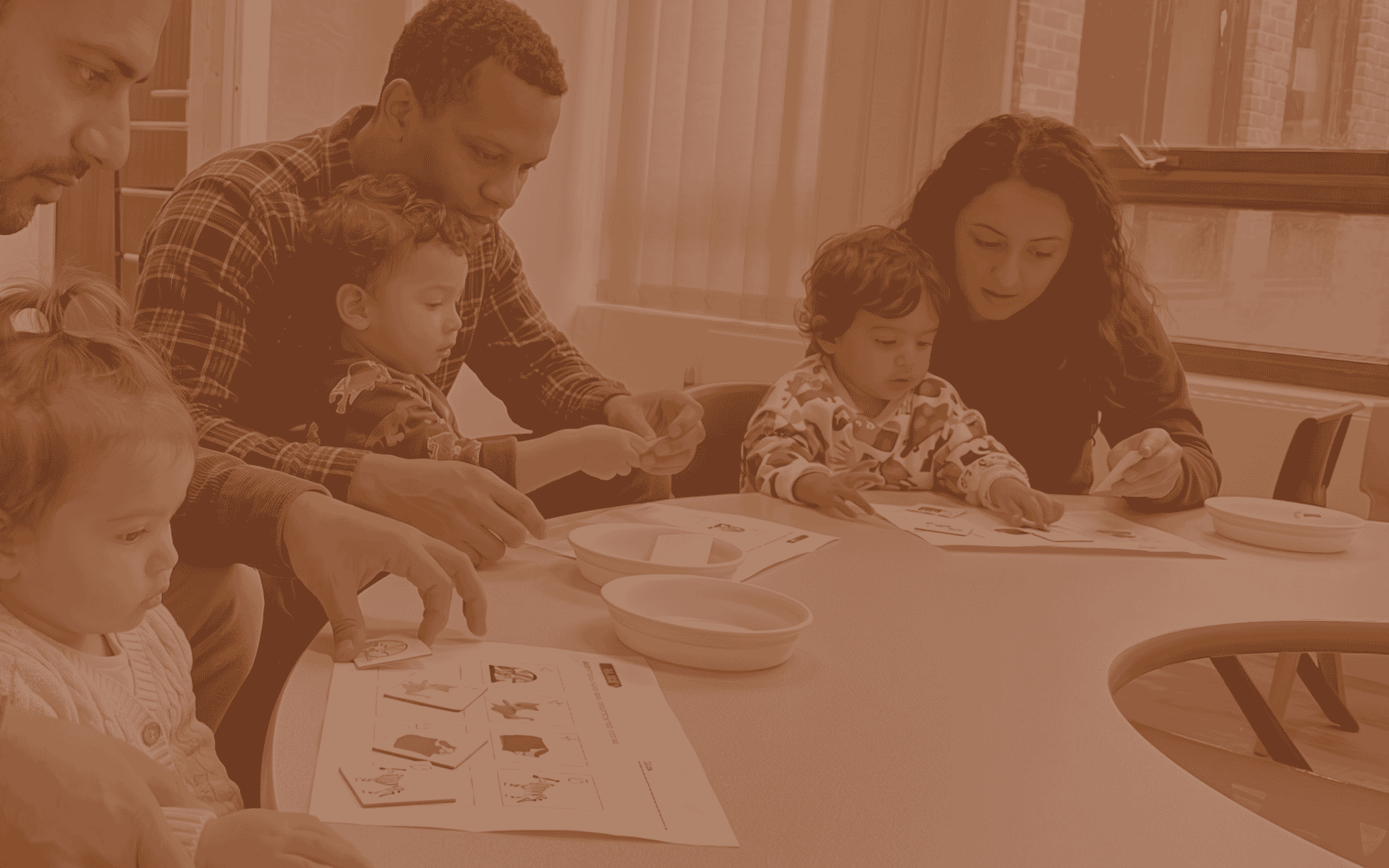
Quick answer: By age six, a child’s brain reaches 90% of its adult volume, creating a unique "golden window" for cognitive development. During this period, varied and high-quality experiences literally shape brain architecture through neuroplasticity. Programs like the Shichida Method capitalise on this window to build stronger memory, focus, and emotional intelligence before neural pathways are permanently pruned.
A child’s brain reaches ninety per cent of its adult volume by their sixth birthday. This rapid growth creates a golden developmental window that cannot be replicated later in life, regardless of future effort. Early experience is not just decoration—it is the literal architecture of your child’s mind.
Neuroplasticity is the brain’s ability to form and reorganise connections based on daily experiences. In the first six years, the brain produces far more neural pathways than it will ultimately keep.
This "use it or lose it" mechanism dictates future cognitive capability. The experiences you provide determine which connections survive.
Understanding neuroplasticity changes how we view early childhood education. Here is how traditional assumptions compare to active cognitive development.
| Passive Development (The Old Assumption) | Active Cognitive Stimulation (The Shichida Method) |
|---|---|
| Assumes brains develop naturally over time regardless of targeted input. | Recognises that specific, varied experiences physically shape brain architecture. |
| Relies on unstructured play without targeted neural challenges. | Combines visual, auditory, tactile, and emotional channels simultaneously. |
| Focuses heavily on one activity for long periods, leading to fatigue. | Changes activities every 2-3 minutes to stretch attention without overstimulation. |
You do not need to keep your child busy every waking hour. Over-scheduling creates stress and hinders learning. Instead, focus on the quality and variety of early experiences.
Exposing children to diverse language, music, movement, tactile feedback, and problem-solving yields an outsized cognitive return compared to introducing the exact same concepts at age ten.
The Shichida Method is explicitly designed to work alongside this period of rapid neuroplasticity. Every session engages multiple sensory and emotional channels simultaneously.
Missing a week, or starting at age four instead of age one, is not a catastrophe. The golden window is generous, but it does eventually close. There is no biological advantage to waiting, which is why our age-specific programs begin as early as six months.
Curious to see it for yourself? The easiest way to understand a Shichida class is to sit in one. Message our team on WhatsApp to book a trial class and we will help you choose the right stage for your child.
The golden period refers to the first six years of life when a child's brain reaches 90% of its adult volume. During this time, neuroplasticity is at its peak, making it the most highly responsive window for cognitive and emotional development.
Neuroplasticity means your child's brain physically builds and reorganises neural connections based on their daily experiences. Connections that are frequently used grow stronger, while unused connections are permanently pruned away.
No. Over-scheduling causes stress and overstimulation. It is the quality and variety of experiences—not the sheer volume of busywork—that builds strong cognitive architecture.
Shichida classes change activities every two to three minutes. This specific, rapid pacing maintains high engagement and gently stretches a child's focus over time without pushing them into overstimulation.
For readers who would like to explore the wider science of early years cognitive development, the following authoritative organisations offer trusted further reading:
Keep the conversation going
Keep Reading
Reception teachers do not need your child to read. Here is what early years cognitive development really prepares them for on day one.
Read more
Attention span is not fixed. Here is how it grows through early cognitive development, and what quietly gets in the way.
Read more
Six children, no exceptions. The reasoning behind one of our strictest rules.
Read more