Development11 Jul 2023
Building Concentration in Toddlers
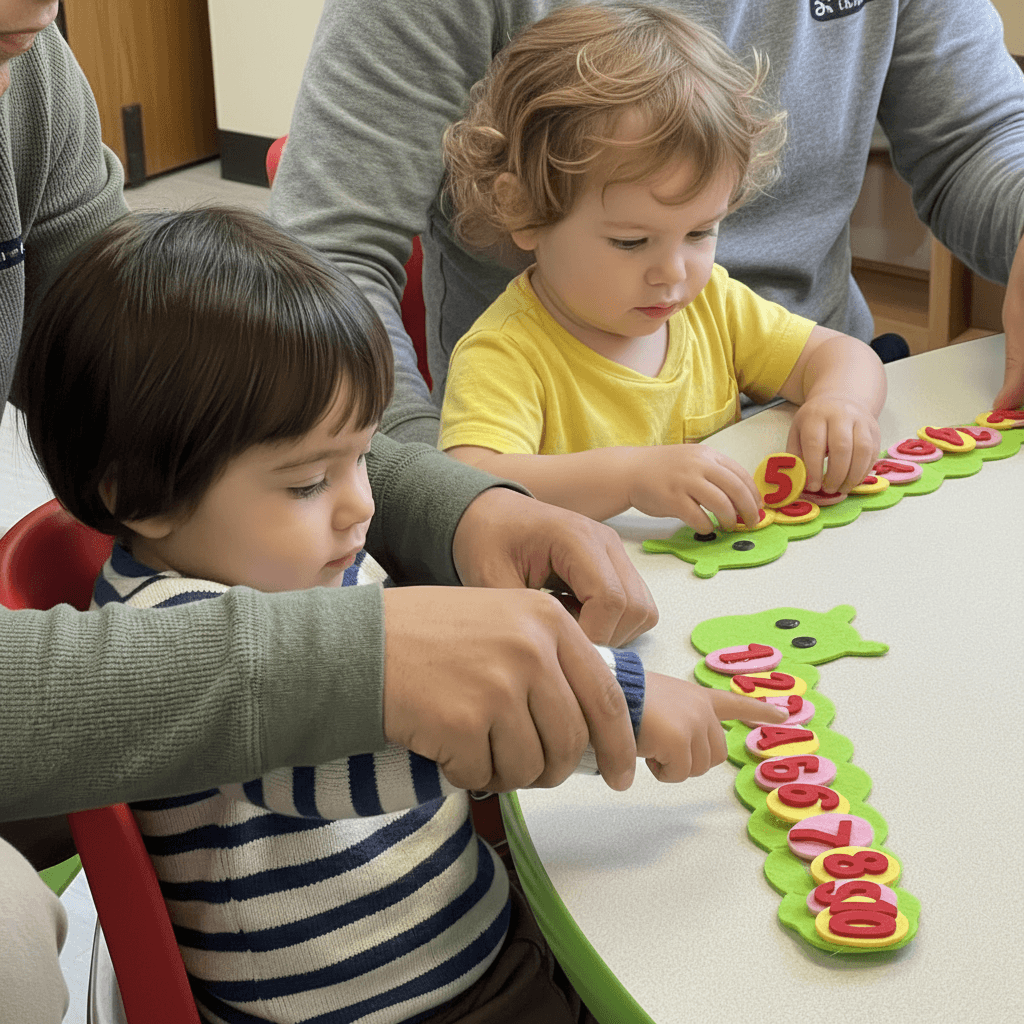
Attention span is not fixed. Here is how it grows through early cognitive development, and what quietly gets in the way.
Read more
Six children, no exceptions. The reasoning behind one of our strictest rules.
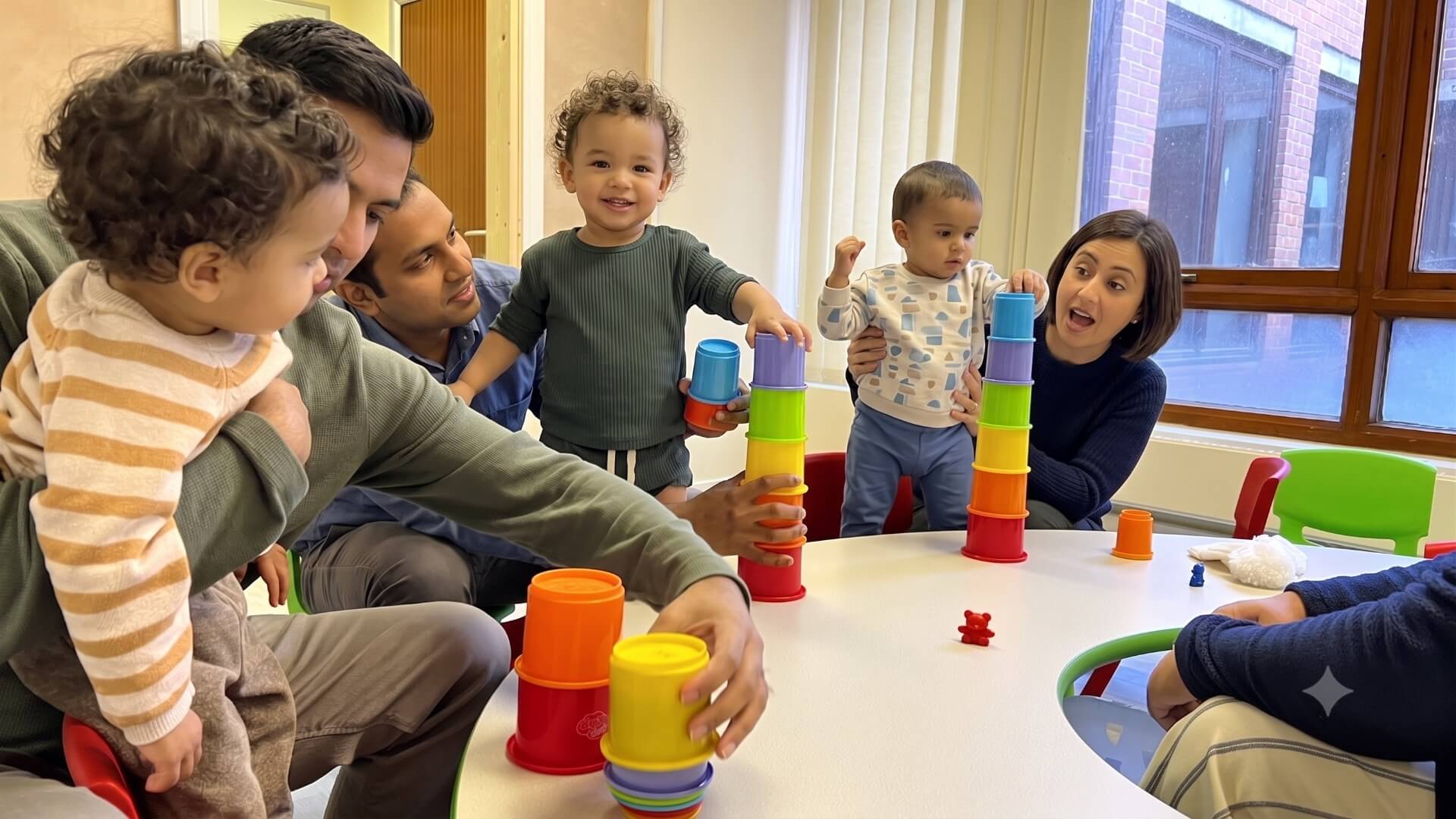
Every Shichida UK class is capped at six children. When a class fills, we open a waiting list rather than adding a seventh chair. Parents occasionally find this frustrating, and we understand why — so here is the reasoning.
An instructor running rapid activities needs to read every child in the room continuously: who is with them, who is drifting, who needs an extra beat. Beyond six, that reading becomes guesswork and the pace defaults to an average that suits nobody exactly.
Young children filter background stimulation poorly. A busier room is not simply louder; it is genuinely harder to think in. Our rooms are deliberately plain and deliberately quiet.
With six, each child can take part in each activity within the two or three minutes allocated. With twelve, half the class becomes an audience, and an audience of two-year-olds does not stay an audience for long.
Part of the instructor's job is coaching you. Small numbers mean there is time for a quiet word about how a particular activity is going at home.
Small classes mean limited places and occasional waiting lists. We think that is the right compromise, and it is one we are not willing to reverse.
Curious to see it for yourself? The easiest way to understand a Shichida class is to sit in one. Message our team on WhatsApp to book a trial class and we will help you choose the right stage for your child.
For readers who would like to explore the wider science of early years cognitive development, the following authoritative organisations offer trusted further reading:
Keep Reading
Attention span is not fixed. Here is how it grows through early cognitive development, and what quietly gets in the way.
Read more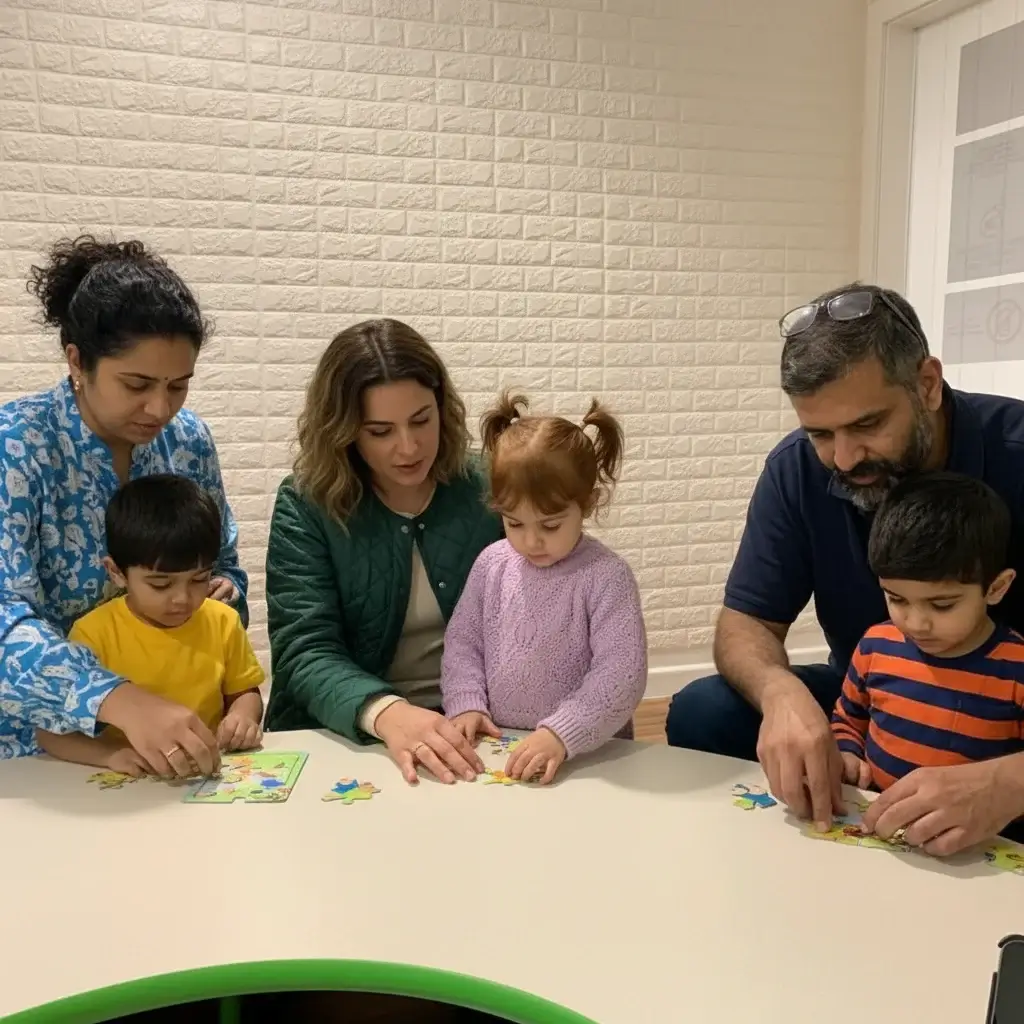
Parent participation is not a nice extra at Shichida. It is a structural part of how early cognitive development works in our classes.
Read more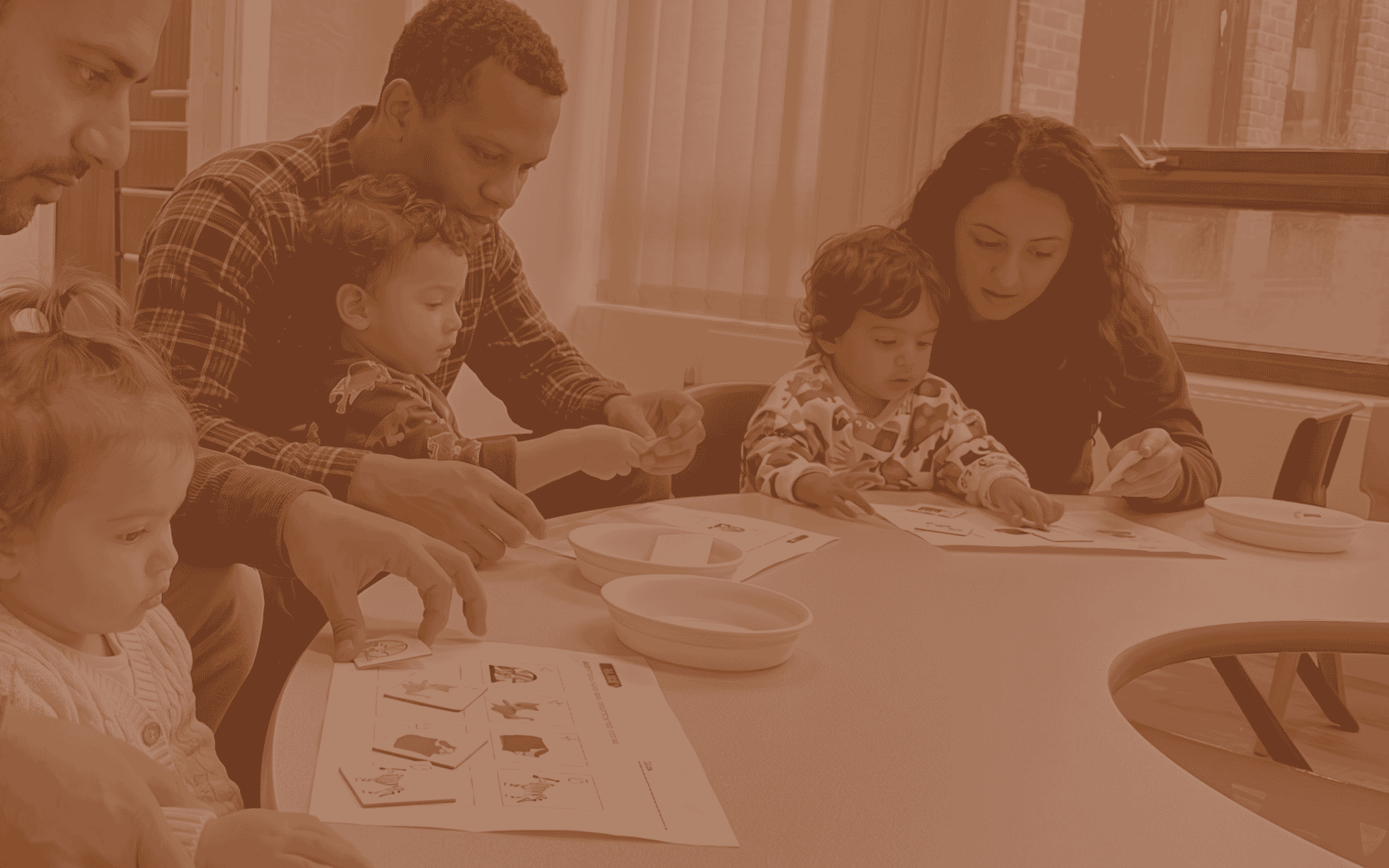
The window between six months and six years is biologically unique. Here is what neuroplasticity means in practice for your baby's early cognitive development.
Read more