Classes13 Jul 2021
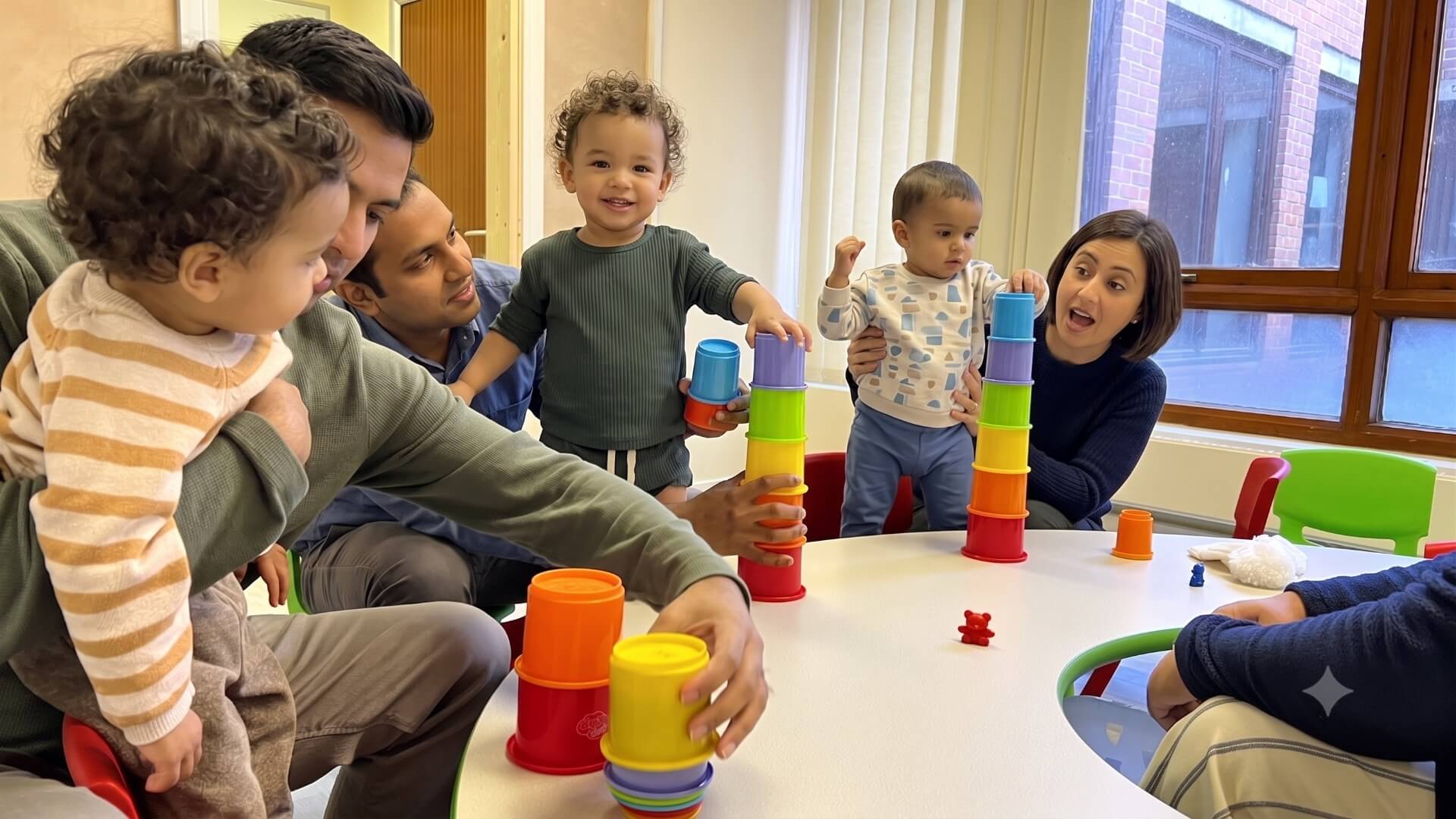
Why We Cap Our Classes at Six Children
Six children, no exceptions. The reasoning behind one of our strictest rules.
Read more
Attention span is not fixed. Here is how it grows through early cognitive development, and what quietly gets in the way.
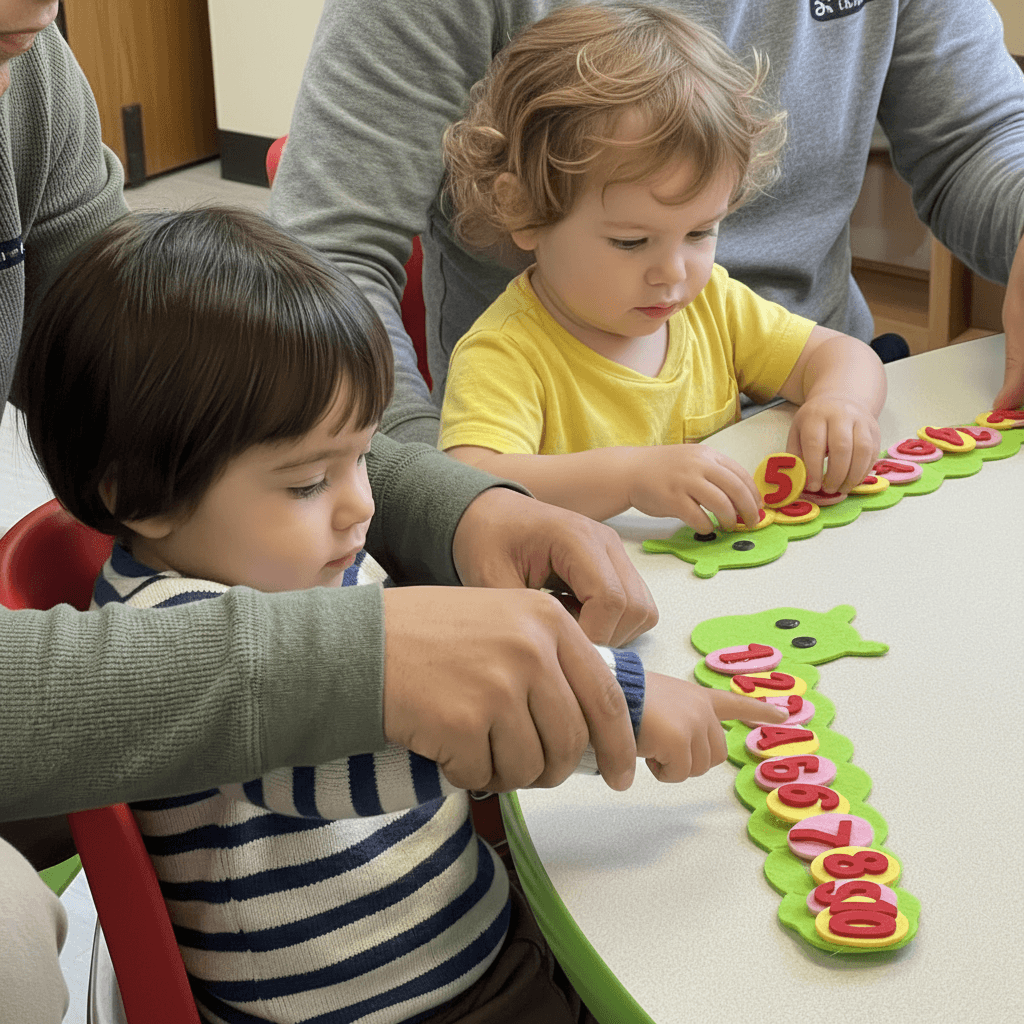
A useful rough guide is two to five minutes of sustained focus per year of age, on a task the child has chosen. On a task an adult has chosen, expect rather less. Toddlers are not failing when they move on after three minutes; they are being toddlers.
The reliable way to build concentration is not to insist a child sits longer, but to string together several short, absorbing activities. The child experiences a long engaged period made of manageable pieces. This is exactly the architecture of a Shichida hour.
Fast-cut screen content trains the brain to expect a new stimulus every few seconds, which makes slower real-world tasks feel flat by comparison. Tiredness and hunger are the other two culprits, and they are far more common causes than any deficit.
Concentration compounds. A child who can focus for ten minutes at four will find school markedly easier than one who cannot — and the gap widens quietly every year.
Curious to see it for yourself? The easiest way to understand a Shichida class is to sit in one. Message our team on WhatsApp to book a trial class and we will help you choose the right stage for your child.
For readers who would like to explore the wider science of early years cognitive development, the following authoritative organisations offer trusted further reading:
Keep Reading
Six children, no exceptions. The reasoning behind one of our strictest rules.
Read more
The window between six months and six years is biologically unique. Here is what neuroplasticity means in practice for your baby's early cognitive development.
Read more
Before words, there is texture, sound, rhythm and touch. A guide to sensory play and early cognitive development in the first year
Read more