Development11 Jul 2023
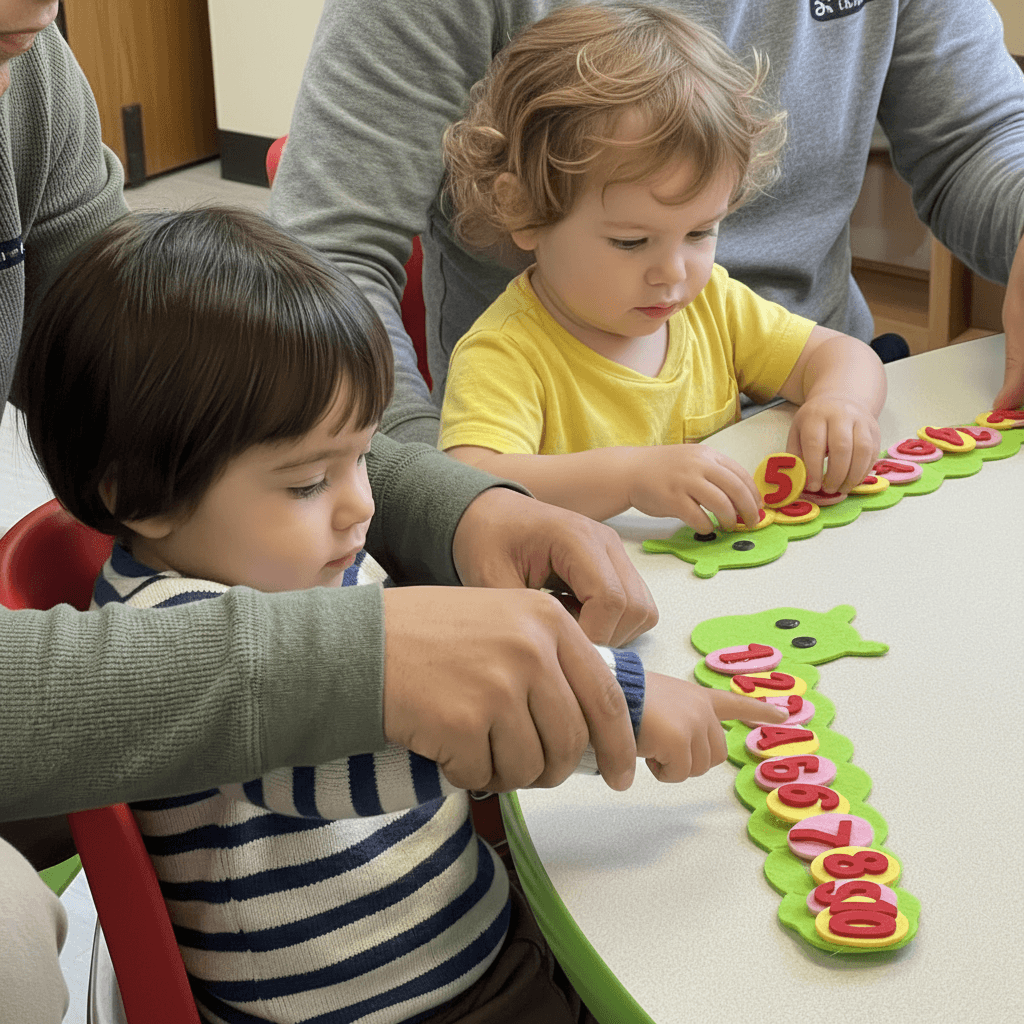
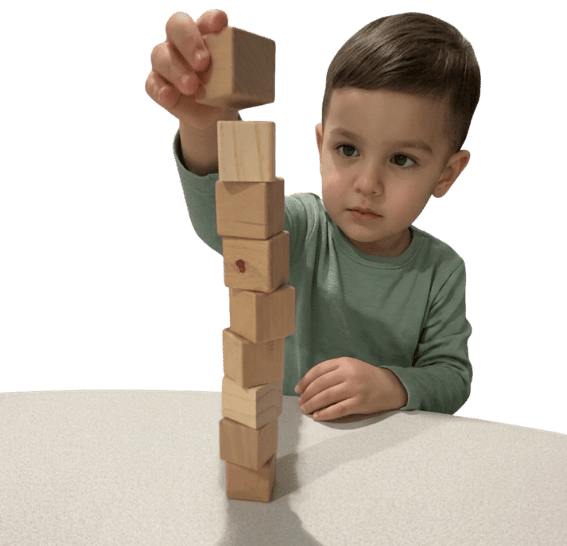
Building Concentration in Toddlers
Attention span is not fixed. Here is how it grows through early cognitive development, and what quietly gets in the way.
Read more
Before words, there is texture, sound, rhythm and touch. A guide to sensory play and early cognitive development in the first year
A baby has no words to think with, so thinking happens through the senses. Every explored texture, located sound and studied face is real cognitive exertion and contributes to the growing foundation everything else will build upon.
High contrast is the name of the game in a baby’s visual world, which is why black and white is recommended for newborns. Then comes colour and detail, as their vision matures. Let them follow things around the room, encouraging tracking of your movements or a toy.
Provide a range of interesting textures for them to feel – silk, wool, a cold spoon, fluffy flannel, dry rice in a bottle, etc. Name what the texture belongs to as you let them explore. Always keep in mind that babies at this age need your supervision at all times, and small enough to fit in their mouth.
Expose your baby to a range of sounds and voices, and a variety of musical styles, from classic piano to tribal drums. Rhythm is also something very important to developing cognition, as it forms the basis for language as well as counting. Equally important is the value of silence; a baby who is exposed to a home where everything is always on can find it hard to tune in and hear.
Belly time, rocking, being carried in different positions, all of these things contribute to the vestibular system and its connection to the brain, which governs balance and sense of direction.
The most important sensory connection for a 6 month old is the one to their caregiver, so nothing beats a responsive face.
Our infant classes incorporate all of the senses into a dynamic sixty minute lesson, much of which is spent in the parent’s arms.
Curious to see it for yourself? The best way to understand the Shichida Method is to experience a class. Contact us via WhatsApp to book your free trial, and we’ll help you determine which level is most suitable for your little one.
For readers who would like to explore the wider science of infant sensory development, visual tracking, and early neural connections, the following authoritative organisations offer trusted further reading:
Keep Reading
Attention span is not fixed. Here is how it grows through early cognitive development, and what quietly gets in the way.
Read more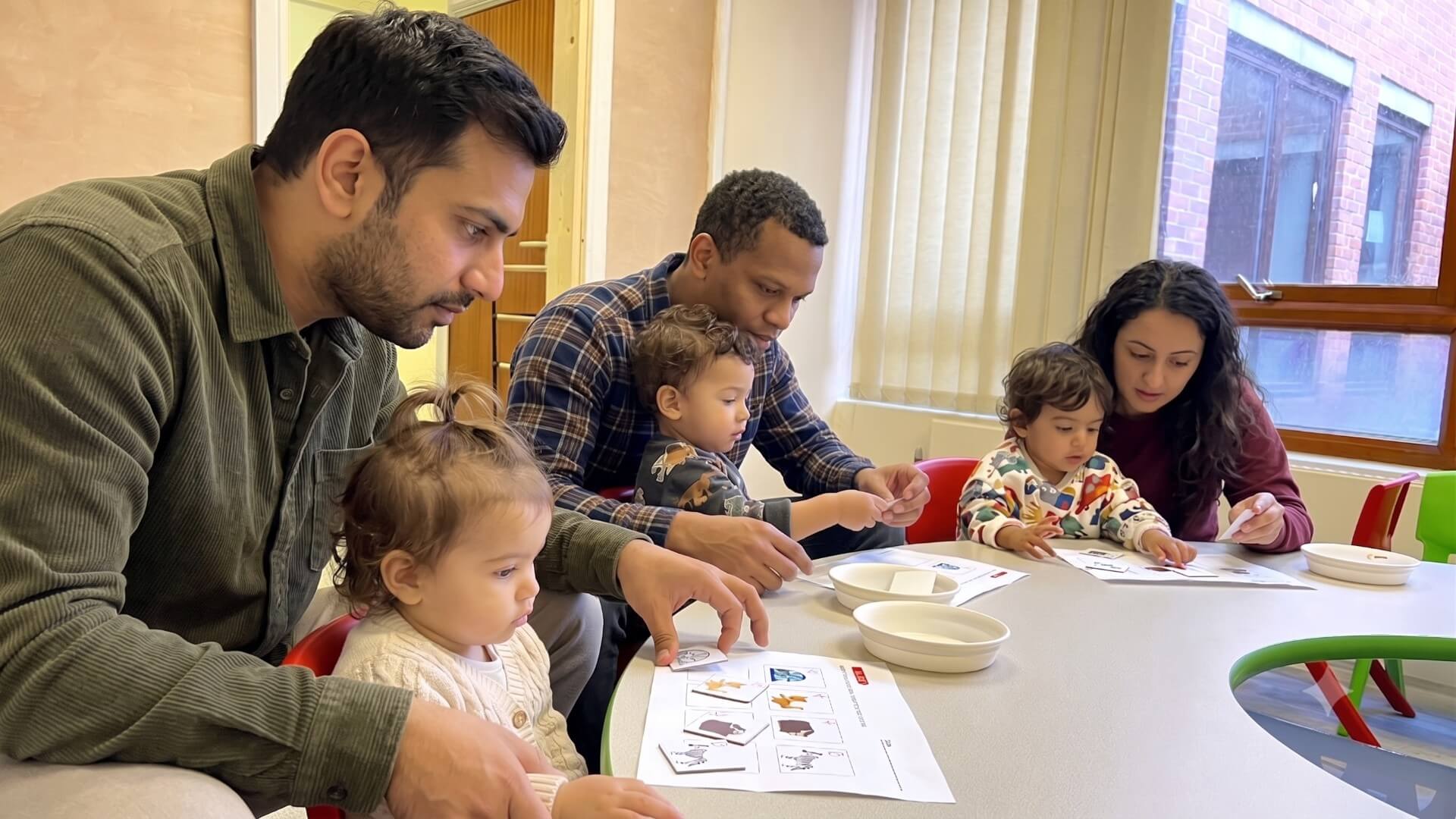
Reception teachers do not need your child to read. Here is what early years cognitive development really prepares them for on day one.
Read more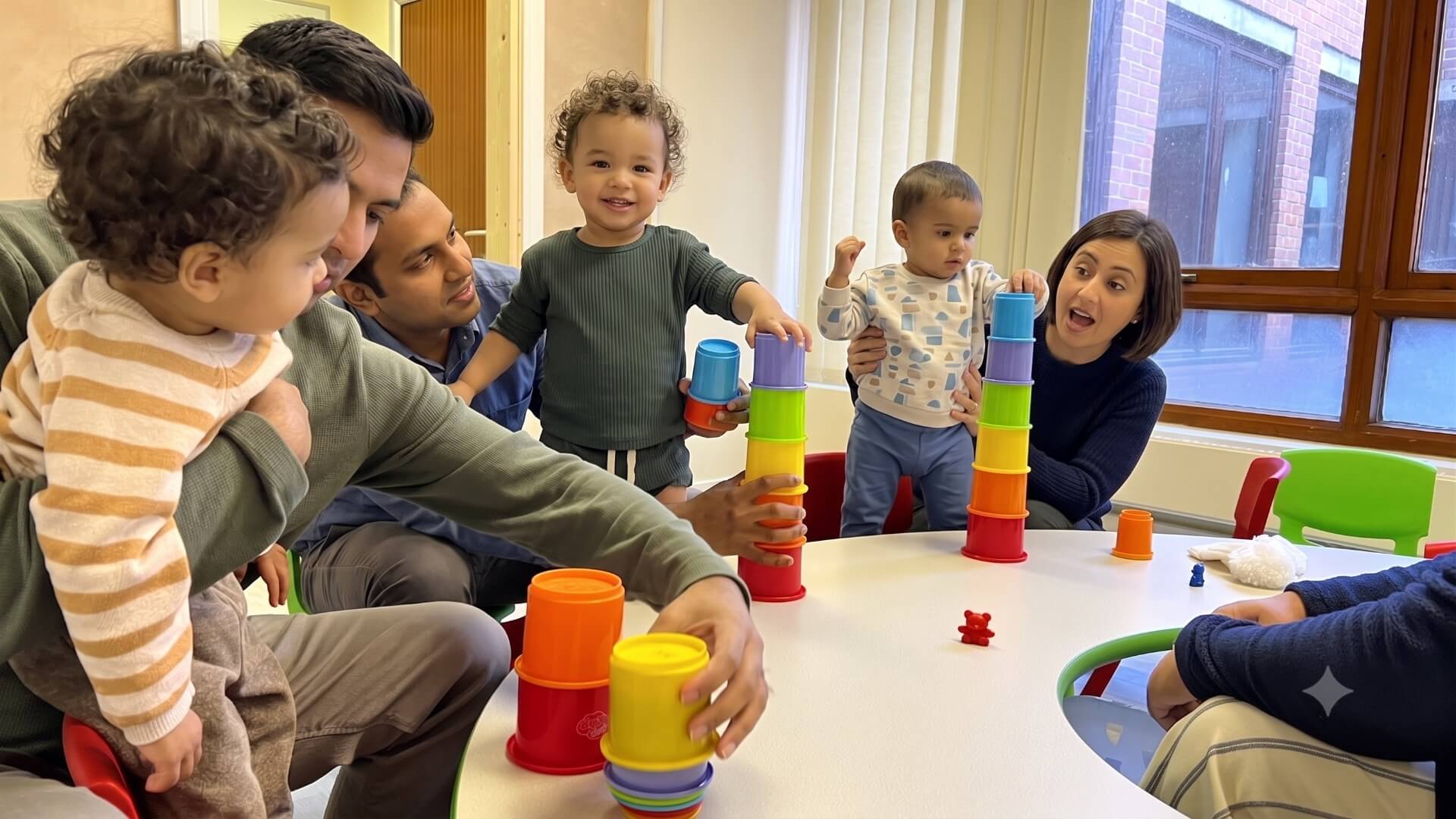
Six children, no exceptions. The reasoning behind one of our strictest rules.
Read more