Programmes11 Sept 2018
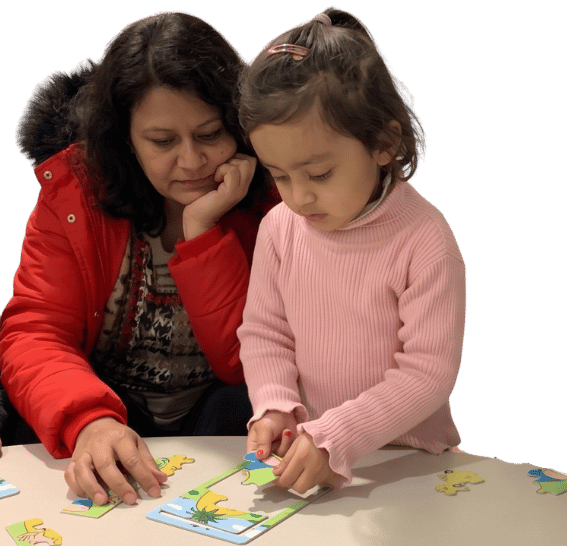
Which Shichida Stage Is Right for My Child?
Four early years cognitive development stages, from six months to six years. A short guide to what happens in each, and how to choose.
Read more
The part of the Shichida Method that has nothing to do with memory, and everything to do with the emotional side of early cognitive development.
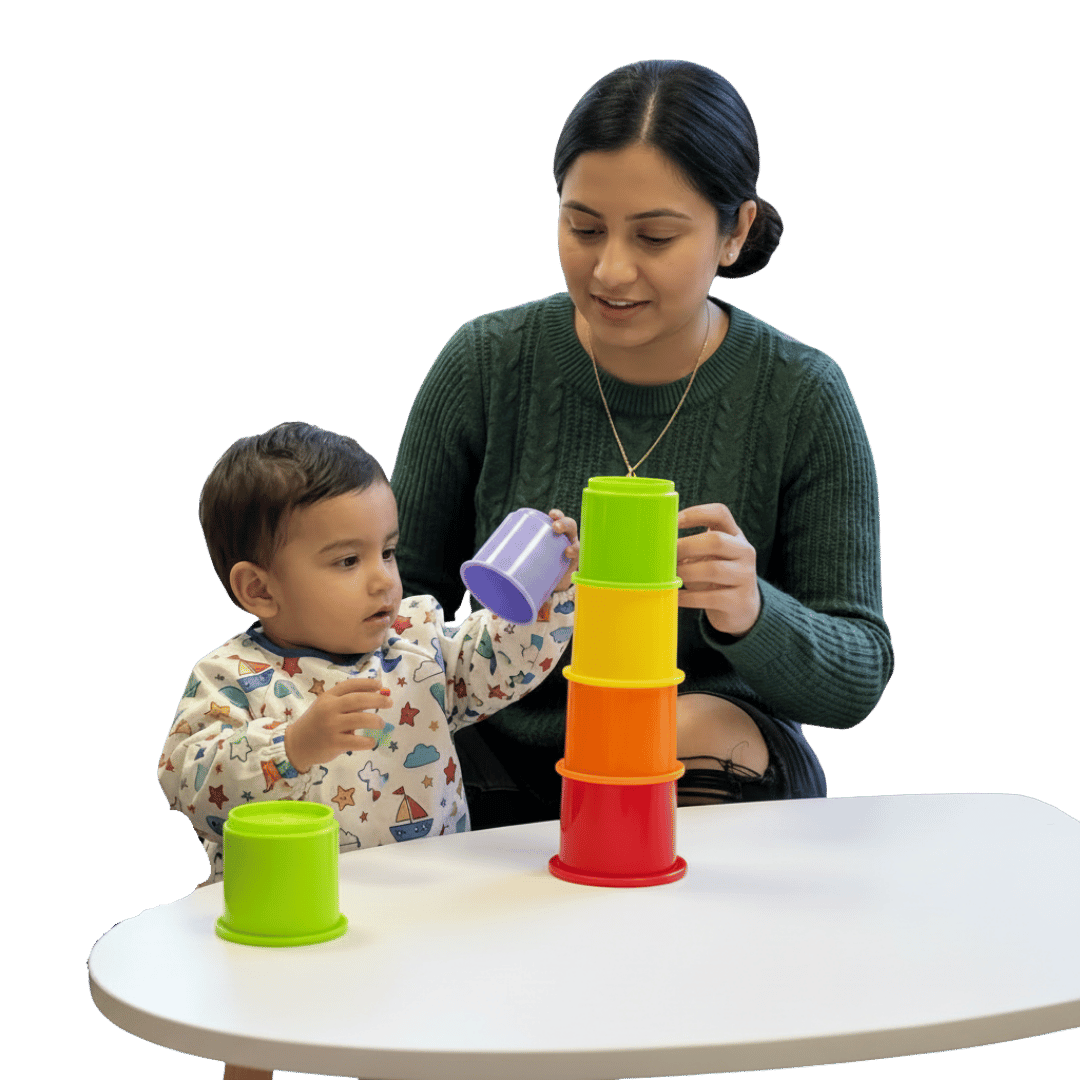
Ask most people what Shichida is known for and they will say memory and flashcards. Ask a Shichida instructor what matters most and you will get a different answer: Education of the Heart.
His conviction was that cognitive ability without emotional grounding is not an achievement worth pursuing. A child who can memorise a hundred images but cannot manage disappointment, or who learns to see other children as competition, has not been well served.
A child who feels securely loved takes more risks, recovers faster from failure and treats other children more generously. Those are precisely the conditions under which learning accelerates — so the emotional work is not separate from the cognitive work. It is what makes it possible.
Try the five-minute bedtime version: hold your child, tell them plainly that you love them and that they are capable, and name one thing they did today that you admired. That is the whole exercise.
Curious to see it for yourself? The easiest way to understand a Shichida class is to sit in one. Message our team on WhatsApp to book a trial class and we will help you choose the right stage for your child.
For readers who would like to explore the wider science of early years cognitive development, the following authoritative organisations offer trusted further reading:
Keep Reading
Four early years cognitive development stages, from six months to six years. A short guide to what happens in each, and how to choose.
Read more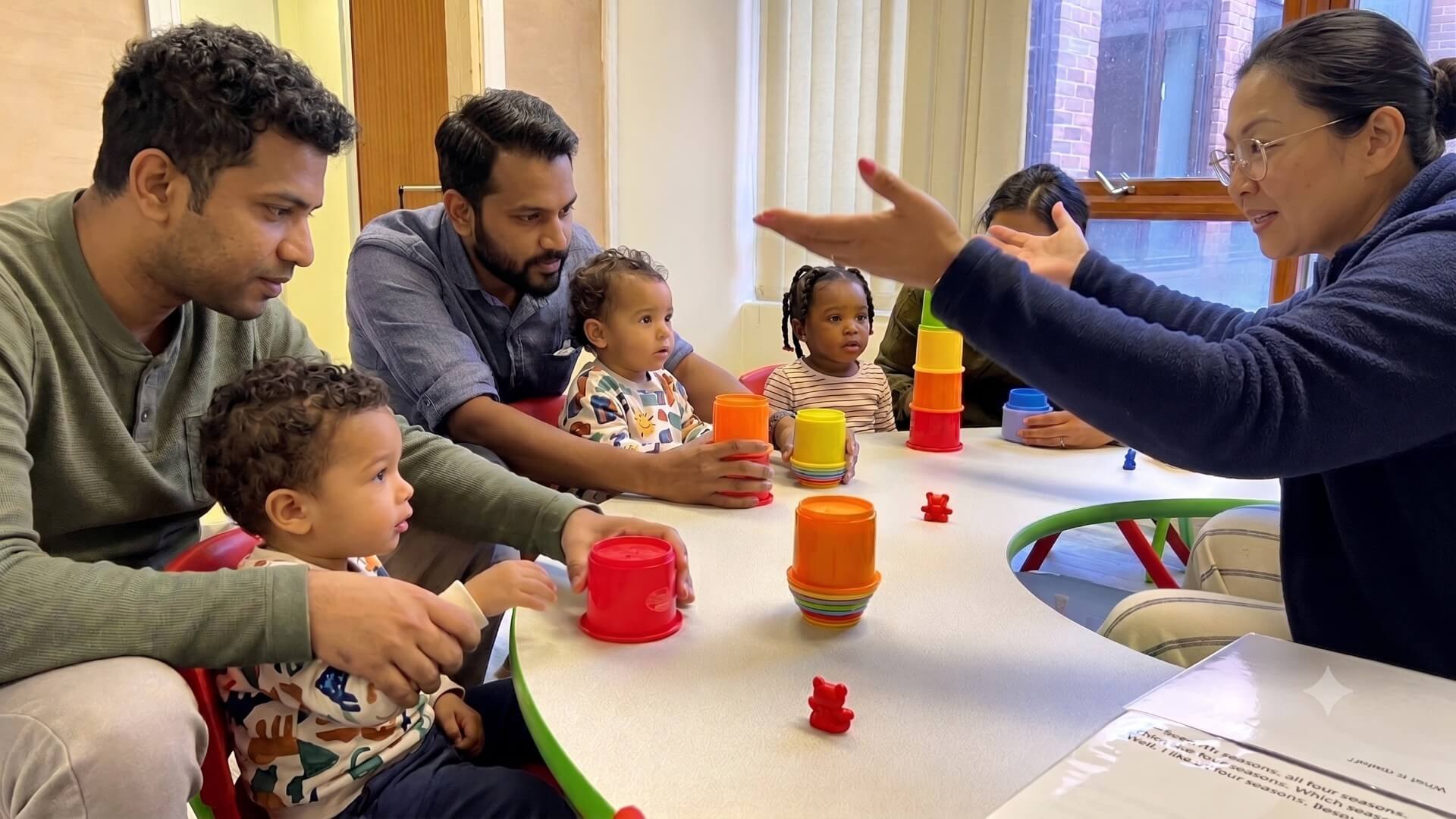
Who is actually leading your child’s class, and what it takes to stand at the front of a Shichida room.
Read more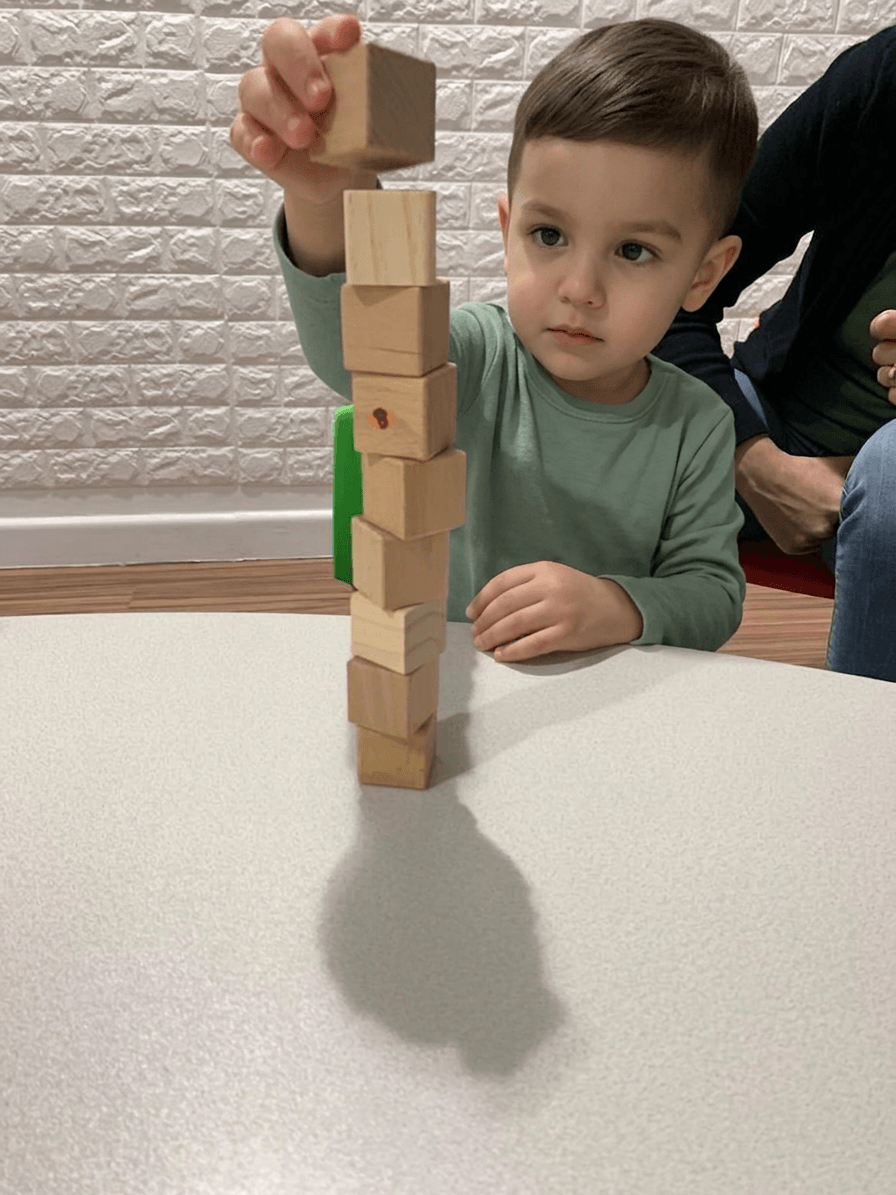
Practical, tested cognitive development activities from our classroom, adapted for a kitchen table and a five-minute window.
Read more