Development16 Nov 2021
Education of the Heart: Raising Emotionally Strong Children
The part of the Shichida Method that has nothing to do with memory, and everything to do with the emotional side of early cognitive development.
Read more
Four early years cognitive development stages, from six months to six years. A short guide to what happens in each, and how to choose.
We group children by developmental window rather than by ability, because what a nine-month-old needs from an hour of learning is genuinely different from what a five-year-old needs.
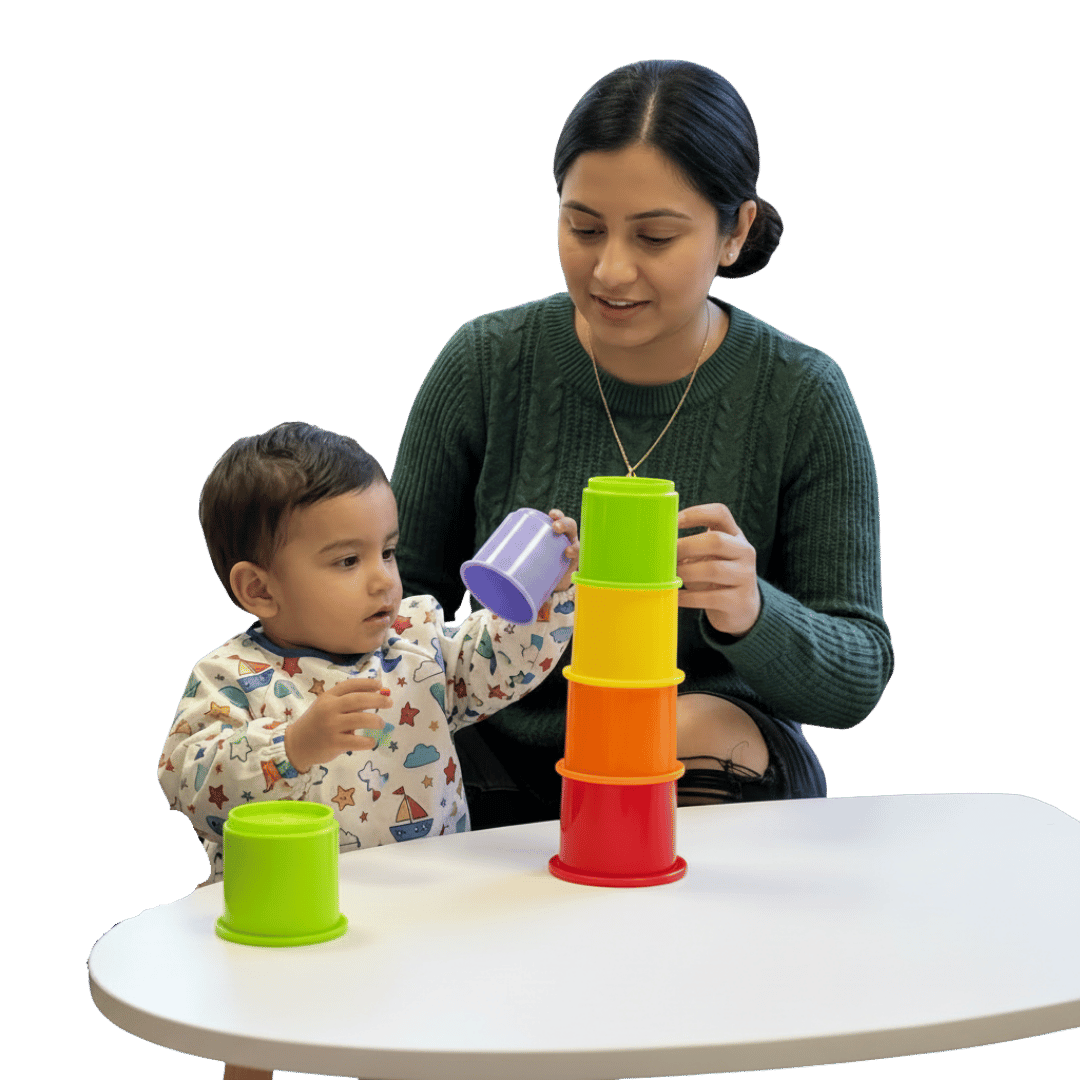
Sensory integration and bonding. Rich visual stimuli, rhythm and song, gentle touch work. Much of the hour is about you and your baby together: your voice, your face, your rhythm. Early neural pathways are laid down alongside emotional security.
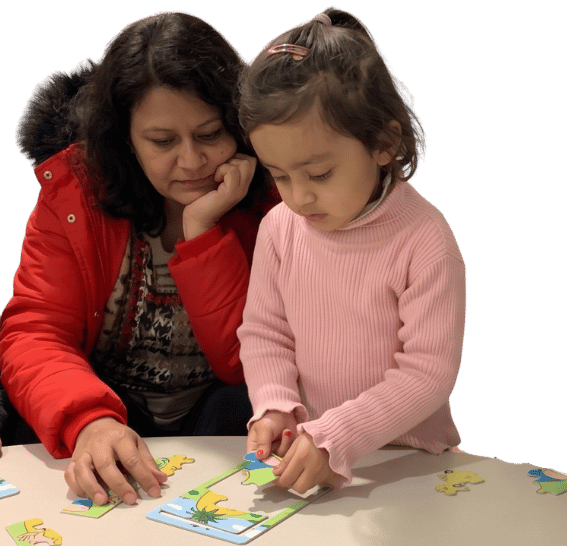
Photographic memory and rapid language acquisition. High-contrast visual games, naming, matching and early pattern recognition. This is often the stage where parents are startled by how quickly vocabulary expands.
Logical reasoning, concentration and emotional regulation. Early mathematical concepts, spatial puzzles, sequencing, and the exercises we call Education of the Heart, which build resilience and empathy as deliberately as we build memory.
Executive function and school readiness. Fine-tuning both hemispheres: sustained focus, problem-solving, independent thinking and the quiet self-belief that makes starting primary school feel exciting rather than frightening.
In almost every case, age is the right guide. If your child sits near a boundary, or if you have any concerns about development, speak to us before booking — we would rather place a child thoughtfully than tidily.
Curious to see it for yourself? The easiest way to understand a Shichida class is to sit in one. Message our team on WhatsApp to book a trial class and we will help you choose the right stage for your child.
For readers who would like to explore the wider science of early years cognitive development, the following authoritative organisations offer trusted further reading:
Keep Reading
The part of the Shichida Method that has nothing to do with memory, and everything to do with the emotional side of early cognitive development.
Read more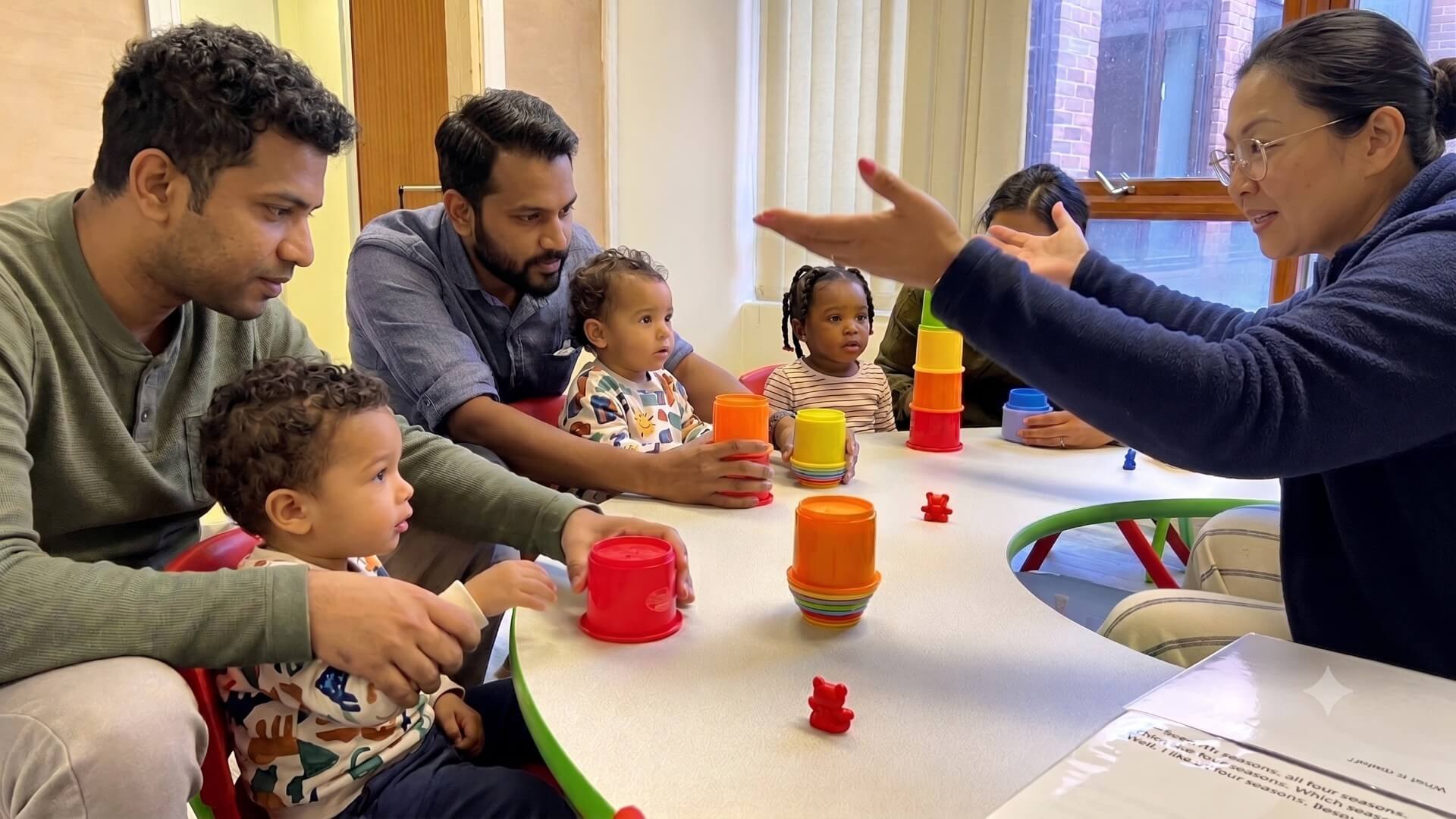
Who is actually leading your child’s class, and what it takes to stand at the front of a Shichida room.
Read more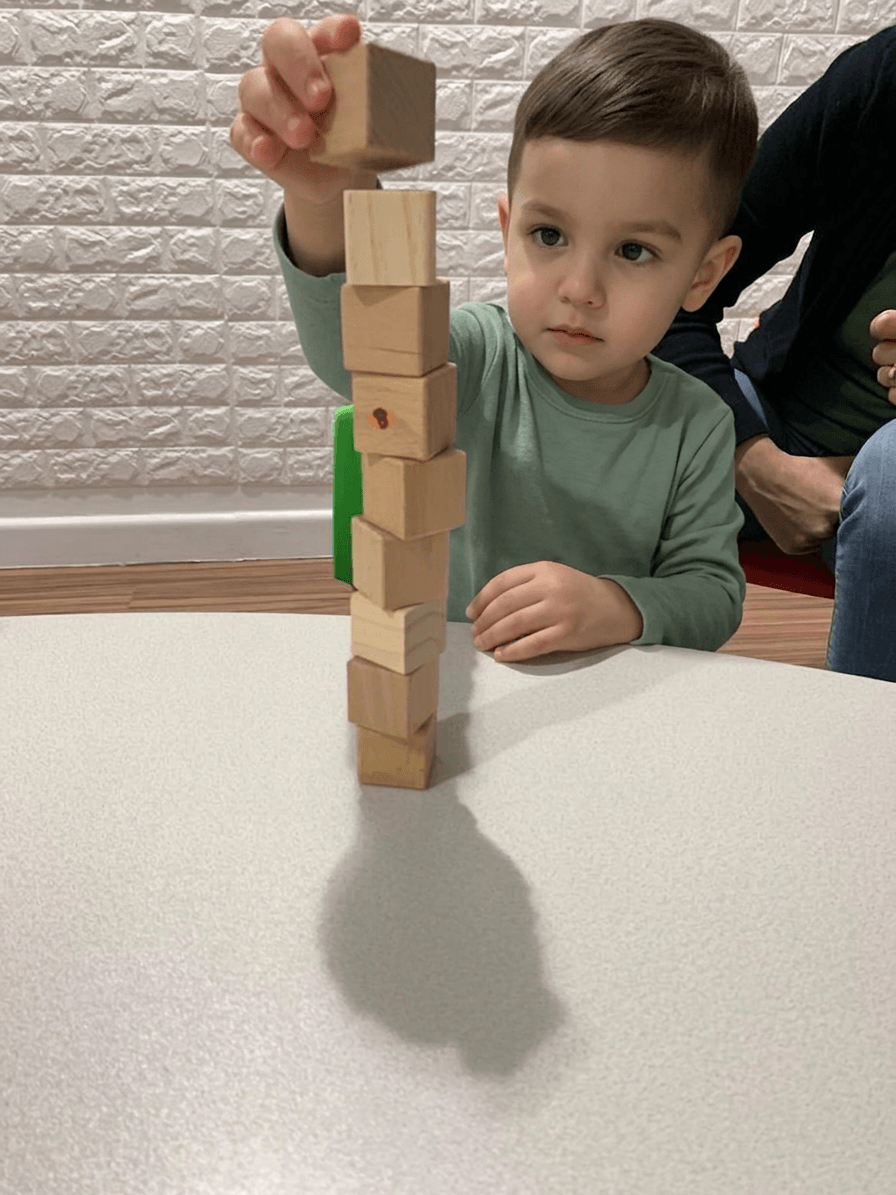
Practical, tested cognitive development activities from our classroom, adapted for a kitchen table and a five-minute window.
Read more