Parenting15 Mar 2022
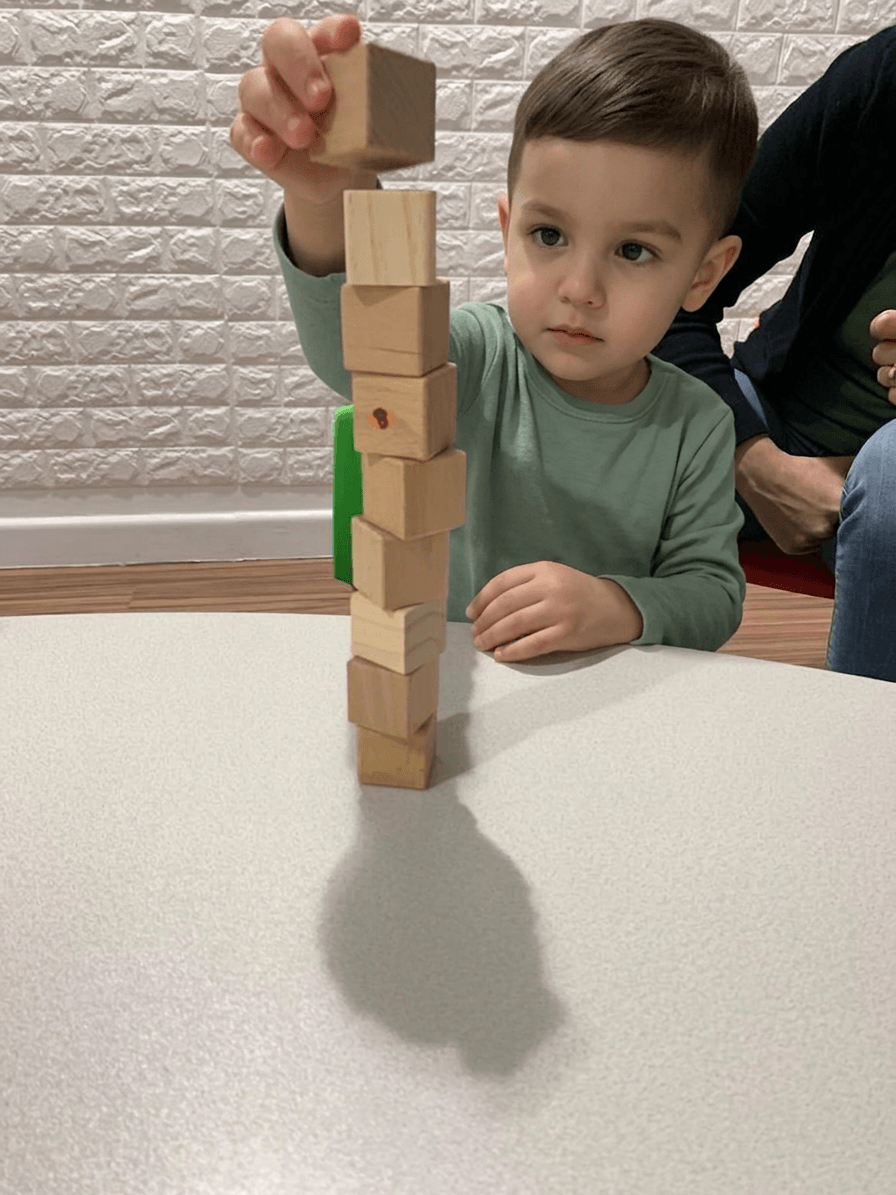
Five Shichida Activities You Can Do at Home Today
Practical, tested cognitive development activities from our classroom, adapted for a kitchen table and a five-minute window.
Read more
A calm consideration of screens’ effect on developing attention and cognition, with thoughts on mindful consumption.
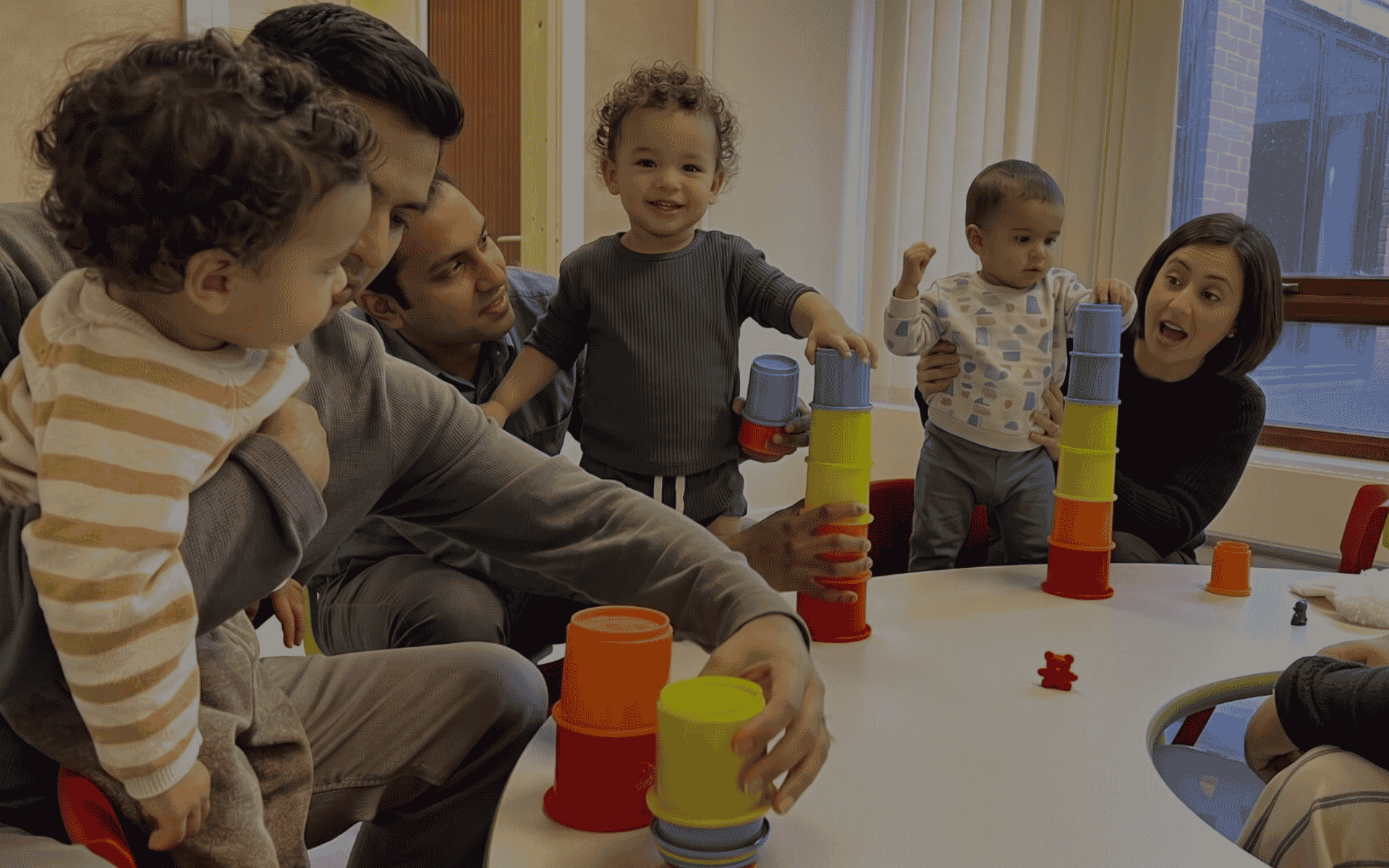
No one is going to stop you or shame you for using screens to entertain your child. A twenty minute show gets everyone fed and clean, and you don’t need a developmental psychologist to tell you that. What is worth knowing is how they affect young and developing brains, so that you can feel secure in your choices.
The brain expects stimulation every couple of seconds in the case of these kinds of shows. Something else simply isn’t able to offer that, and so for a little while afterwards seems comparatively boring. Most worrying is the effect on youngest children and most stimulating content.
A slower paced show watched with a parent who talks about what is happening is significantly different from the same show watched alone, and twenty minutes difference between the two can be immense.
There is nothing wrong with screen time, only that it tends to push out other activities which are of benefit to a child, particularly very young ones. What we recommend is less than average, consciously engaged and not in the period immediately preceding conversation or reading.
Want to get a feeling for a Shichida class before making any decisions? The easiest way to do that is to just attend one. Message us on WhatsApp to book your trial and we’ll show you what level is right for your child.
For readers who would like to explore the research on early media use, language development, and young brain architecture, the following authoritative organisations offer evidence-based guidance:
Keep Reading
Practical, tested cognitive development activities from our classroom, adapted for a kitchen table and a five-minute window.
Read more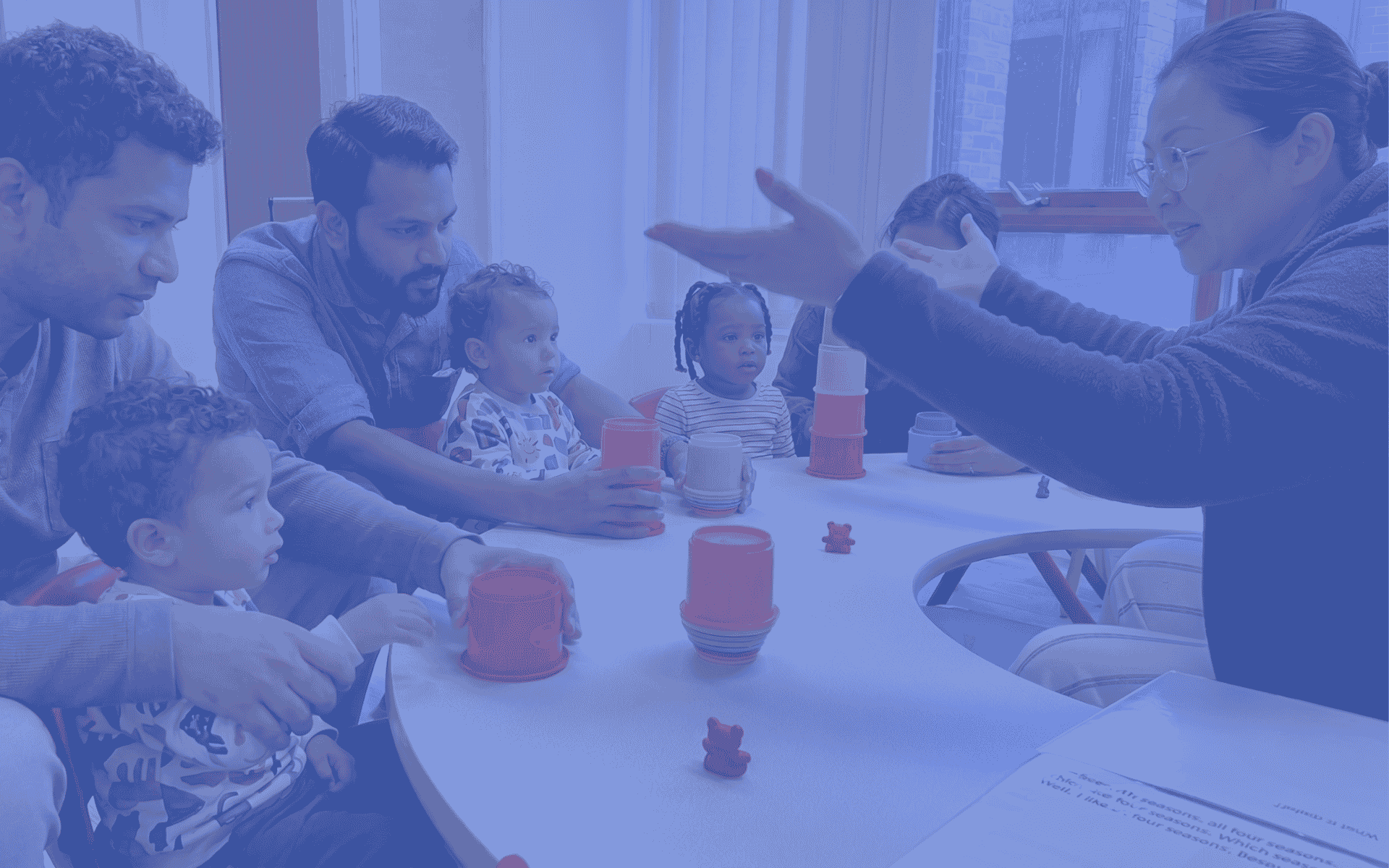
Simple, joyful early years activities that extend what happens in class — using nothing more than what is already in your house.
Read more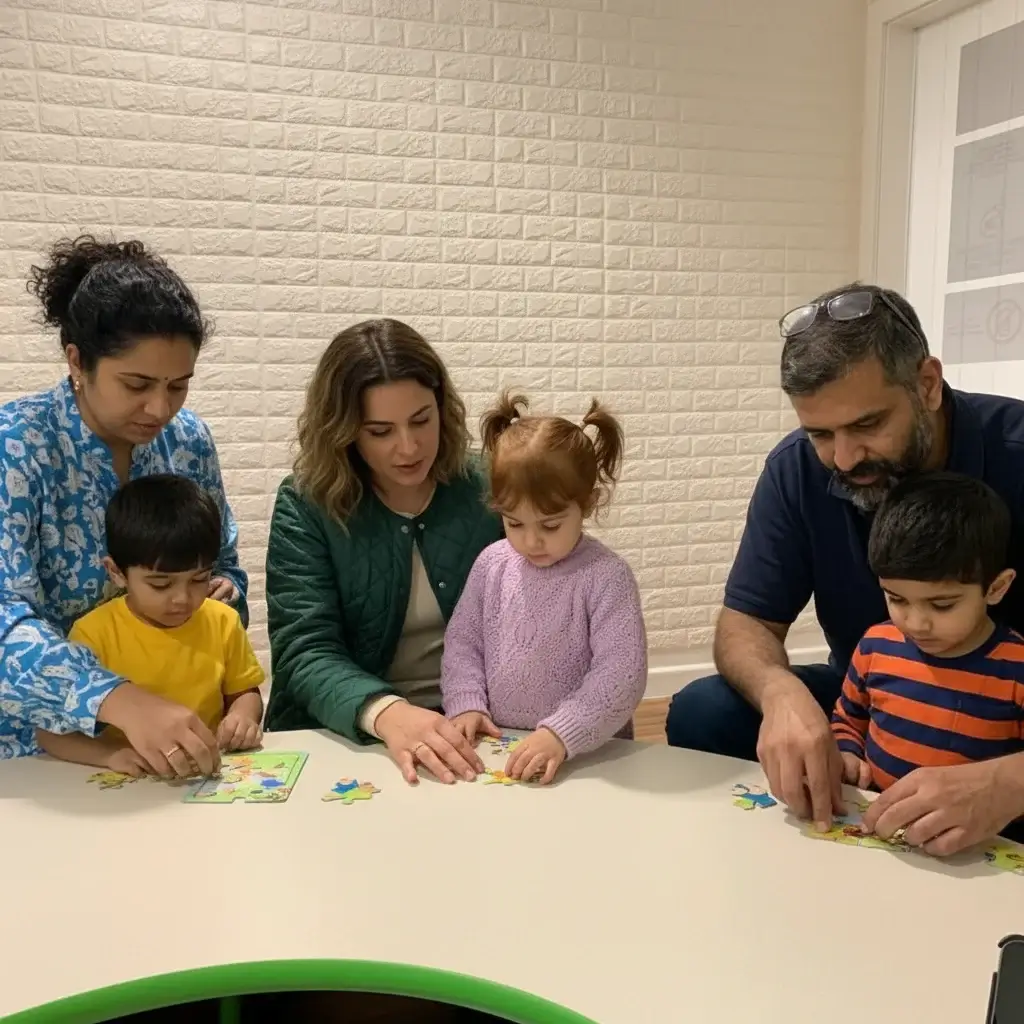
Parent participation is not a nice extra at Shichida. It is a structural part of how early cognitive development works in our classes.
Read more