News16 Jun 2026
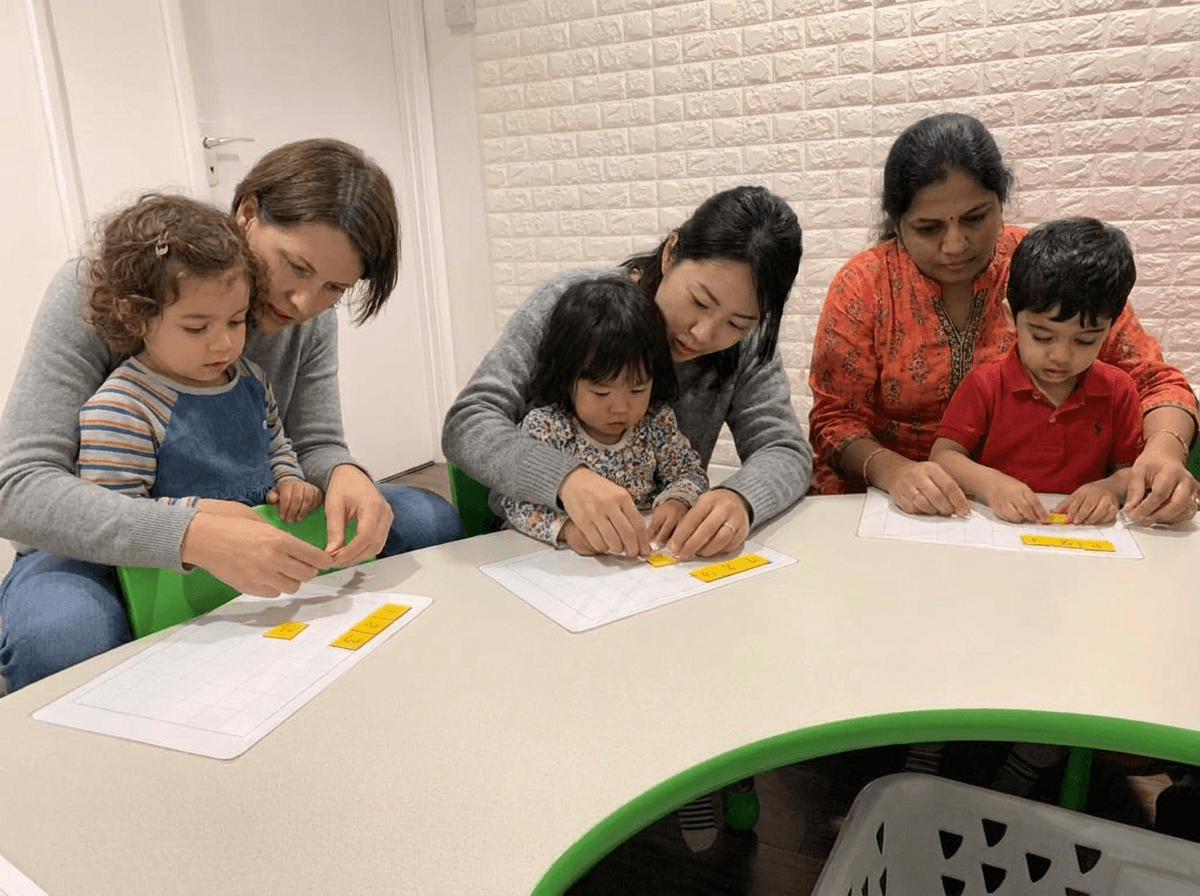
How to Book a Trial Class at Shichida UK
Everything you need to know before your first early years cognitive development class — how to book, what to bring, and what happens on the day.
Read more
The popular view of right vs left brain is almost entirely myth, but there’s an important truth to the underlying science. This is what whole-brain early cognitive development really entails.
You will have seen the personality version: creative right-brained people, logical left-brained people. As neuroscience, that is not accurate. Virtually every meaningful task recruits both hemispheres, and nobody is dominated by one.
There is real functional specialisation. Broadly, the left hemisphere is more involved in sequential, analytical and language-based processing, and the right in holistic, spatial and pattern-based processing. Both are always working; the balance shifts by task.
Professor Shichida's language reflects the science of his era, but the underlying observation holds up well. Conventional early teaching leans heavily on sequential, verbal, analytical work — one item at a time, repeated. It underuses the fast, holistic, image-based processing that young children happen to be exceptionally good at.
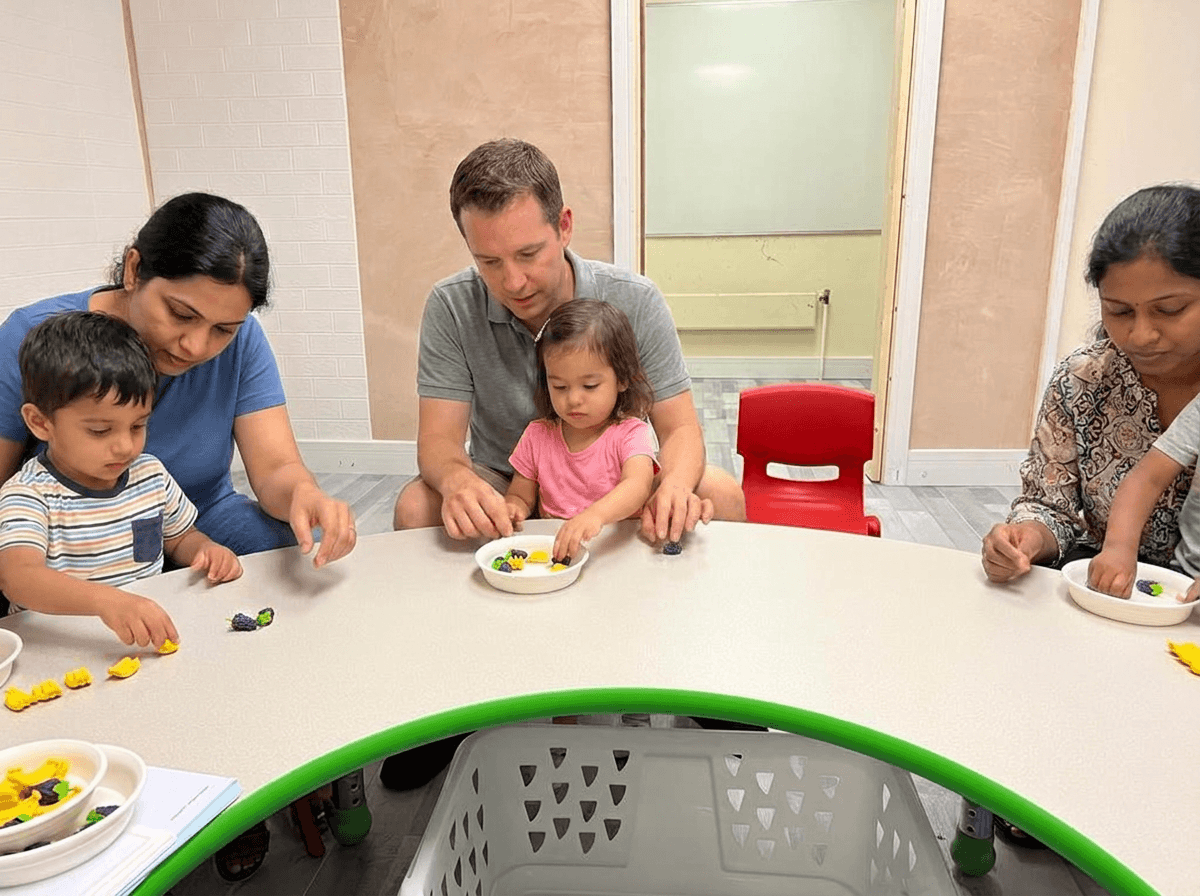
An hour that deliberately alternates: rapid image work and pattern recognition alongside naming, counting, sequencing and fine motor precision. Imagery exercises alongside logical puzzles. Music alongside language.
The two modes are not rivals. Strong visual and pattern processing makes later analytical work faster, because a child who can hold a whole shape in mind can manipulate it more easily. Exercising both, in the years when both are still highly plastic, is the entire point of the method.
Curious to see it for yourself? The easiest way to understand a Shichida class is to sit in one. Message our team on WhatsApp to book a trial class and we will help you choose the right stage for your child.
For readers who would like to explore the wider science of early years cognitive development, the following authoritative organisations offer trusted further reading:
Keep Reading
Everything you need to know before your first early years cognitive development class — how to book, what to bring, and what happens on the day.
Read more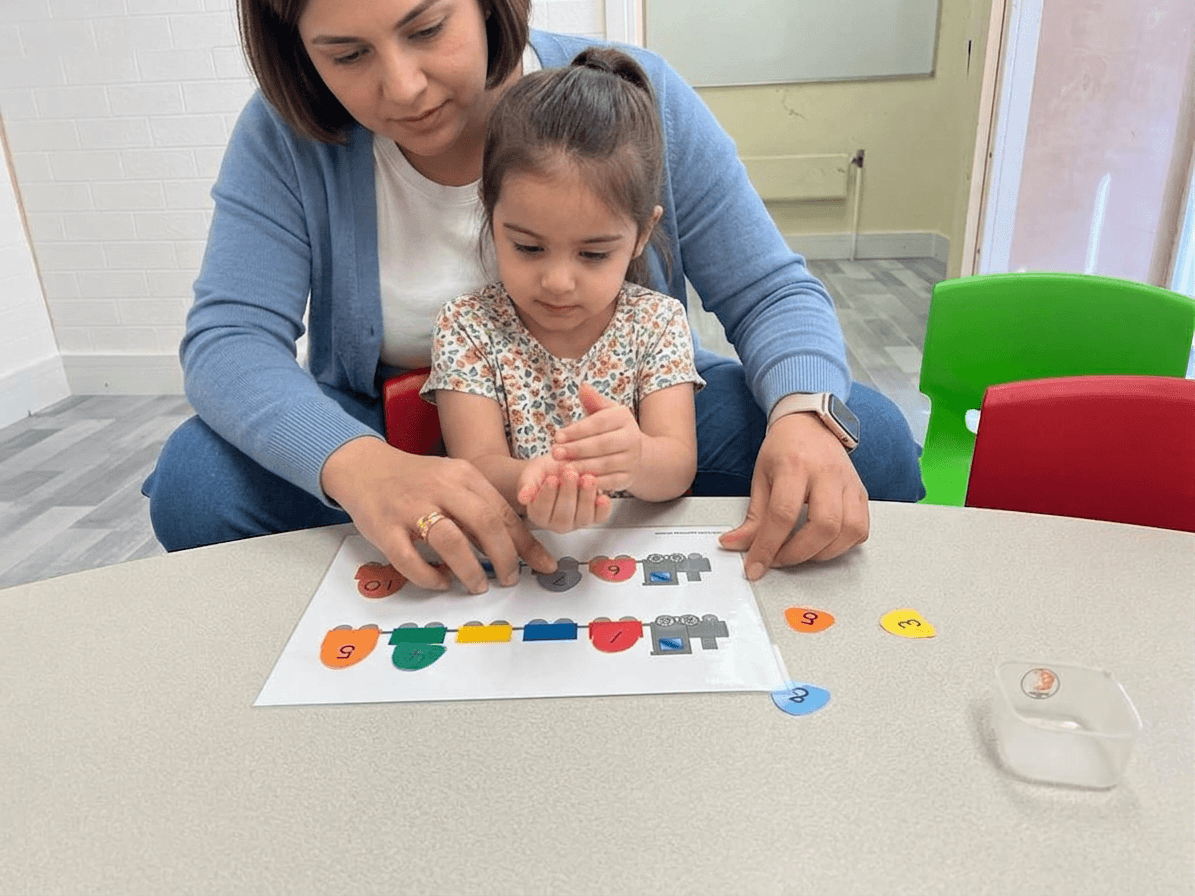
Nursery, tutoring, play groups, Shichida. They are not competing for the same job. An honest comparison of early years learning options.
Read more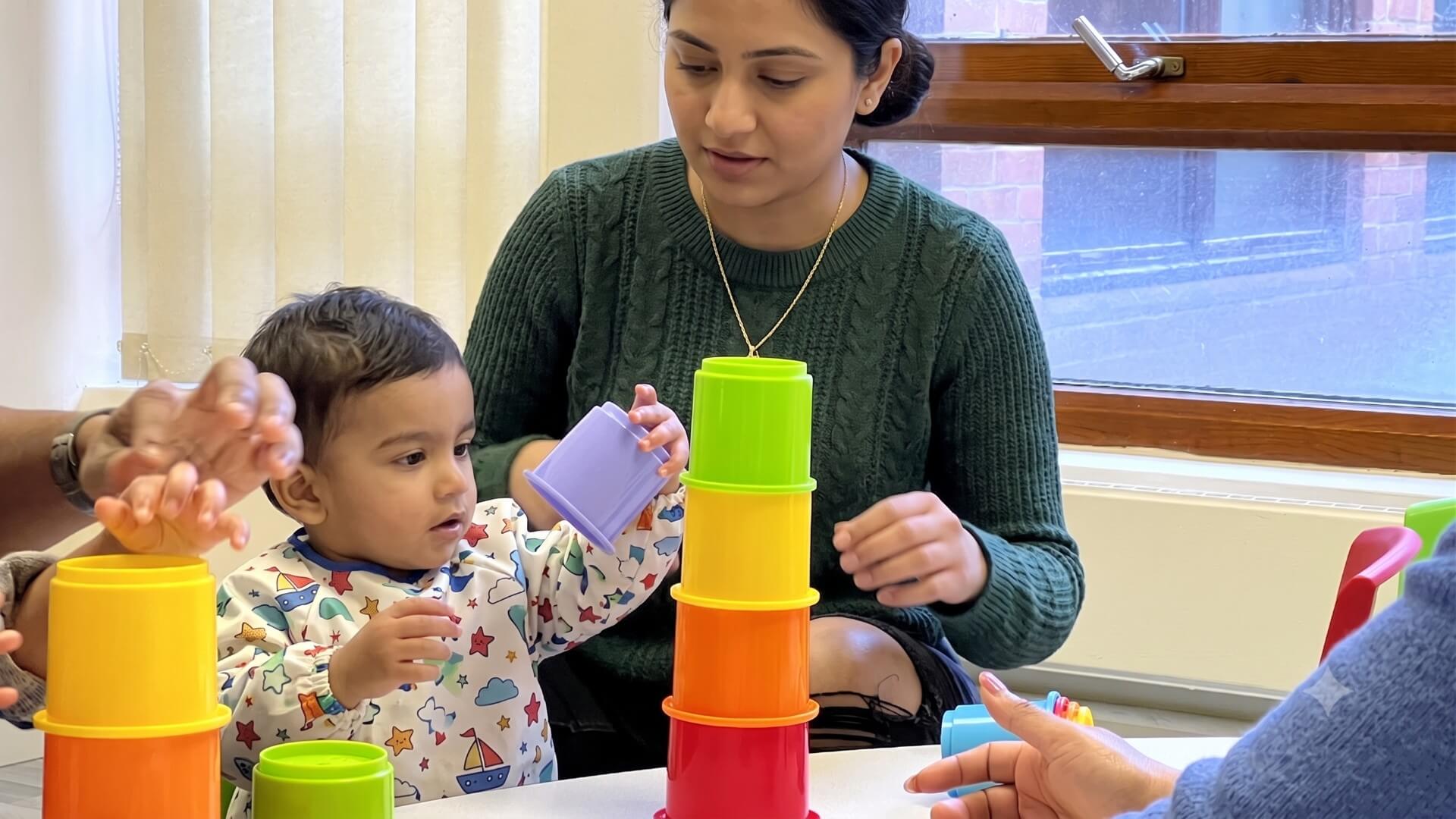
Why do we show cards so quickly? Because speed is the point. A look at what rapid visual input does for cognitive development in a young brain.
Read more