News16 Jun 2026
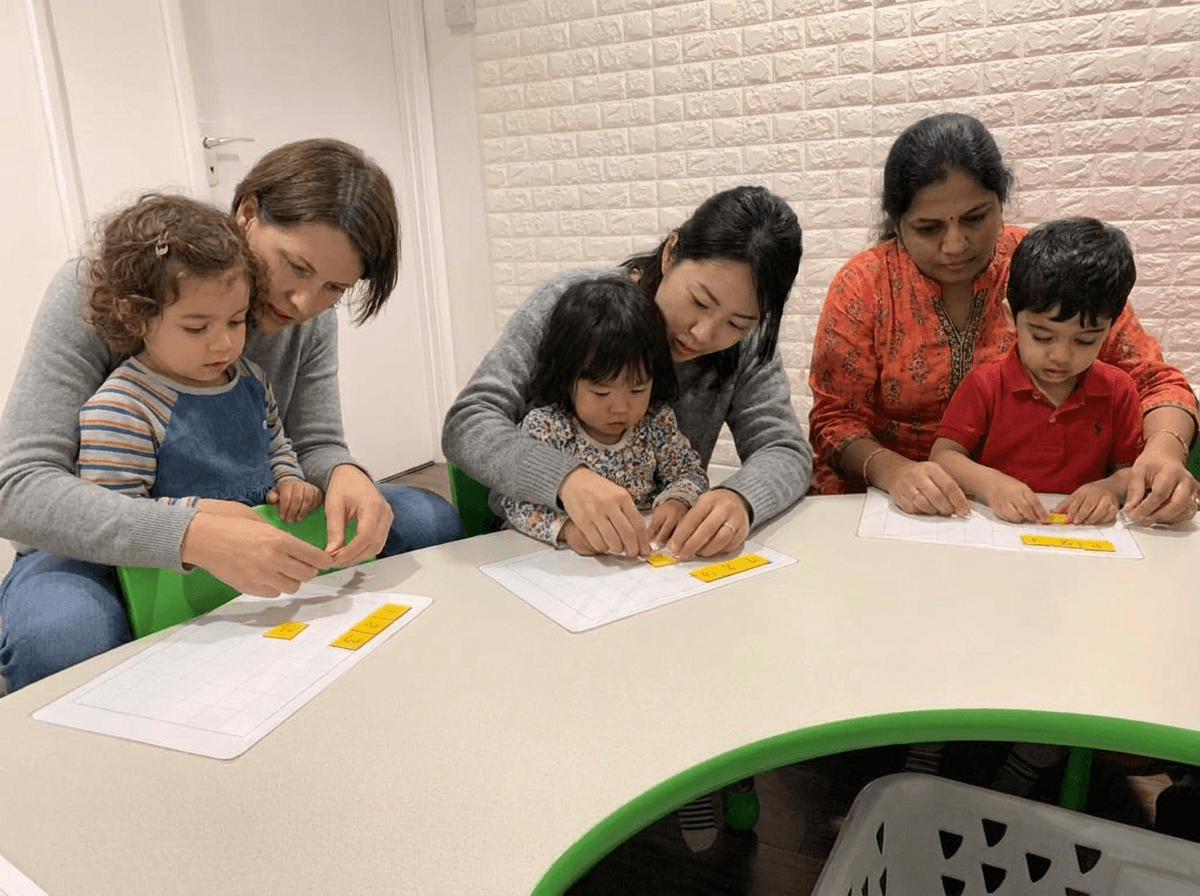
How to Book a Trial Class at Shichida UK
Everything you need to know before your first early years cognitive development class — how to book, what to bring, and what happens on the day.
Read more
Nursery, tutoring, play groups, Shichida. They are not competing for the same job. An honest comparison of early years learning options.
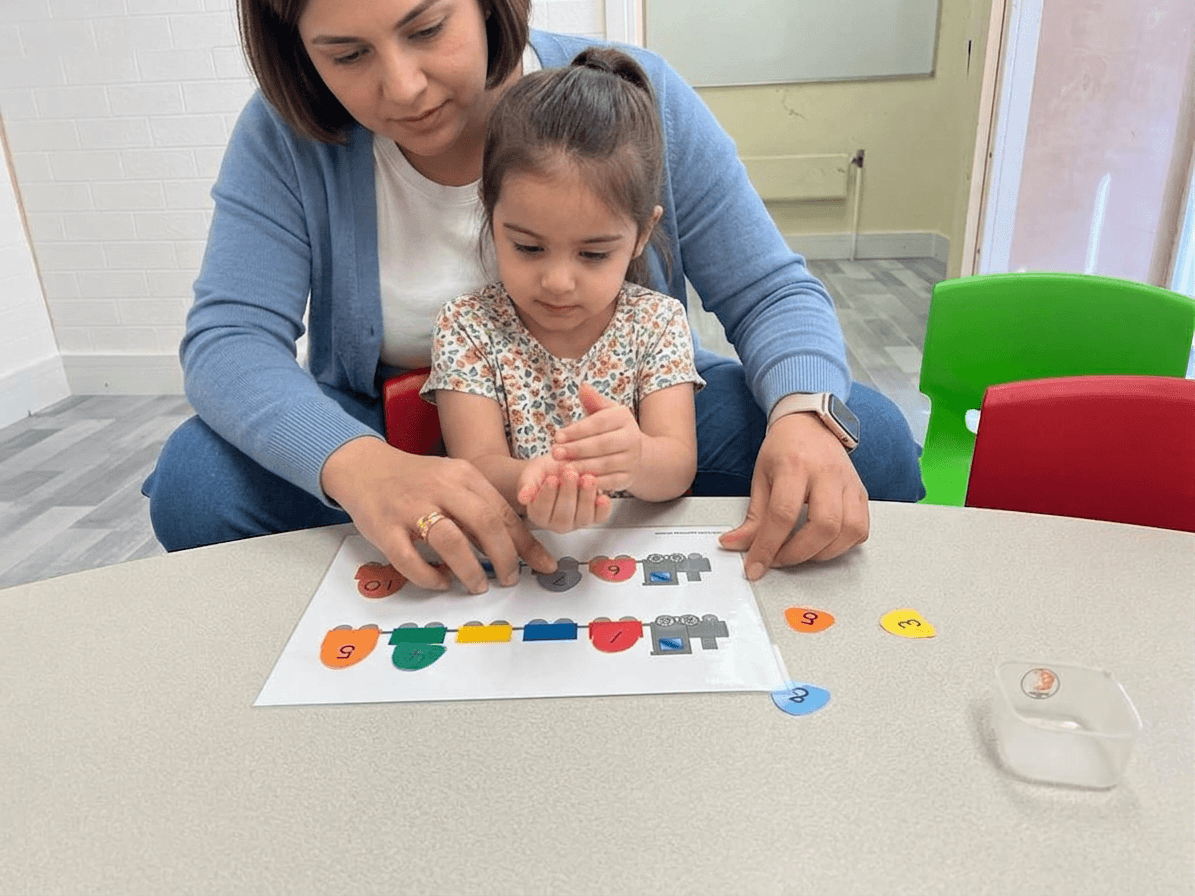
Parents often ask us to compare Shichida with nursery, with early tutoring, or with the many excellent play-based groups available in the UK. The fairest answer is that they are trying to do different things.
Nursery is about socialisation, independence and time away from you in a safe, stimulating setting. It is valuable and Shichida is not a substitute for it. Our classes are the opposite arrangement: one focused hour, with you, in a deliberately quiet room.
Early tutoring generally drills content — letters, sounds, sums — through repetition. That is left-brain work, and it can produce impressive short-term results. Our concern is that it can also teach a three-year-old that learning is a performance to be judged. We prioritise the underlying capacities: memory, imagery, attention, pattern recognition. Content becomes easy once those are in place.
Free play is essential and we would never suggest otherwise. What structured play adds is progression — a sequence designed to stretch a specific capacity slightly further each week.
The goal is not a child who can recite more than their peers. It is a child who is happy, focused and genuinely wants to learn.
Curious to see it for yourself? The easiest way to understand a Shichida class is to sit in one. Message our team on WhatsApp to book a trial class and we will help you choose the right stage for your child.
For readers who would like to explore the wider science of early years cognitive development, the following authoritative organisations offer trusted further reading:
Keep Reading
Everything you need to know before your first early years cognitive development class — how to book, what to bring, and what happens on the day.
Read more
Reception teachers do not need your child to read. Here is what early years cognitive development really prepares them for on day one.
Read more
The window between six months and six years is biologically unique. Here is what neuroplasticity means in practice for your baby's early cognitive development.
Read more