
Back to Blog
Early Learning15 September 2026 Vandana PrasadLinkedIn

Baby Brain Development Classes in Reading: How Sensory Play Shapes Early Learning

Discover how structured sensory play and responsive parent-child interaction build vital neural pathways for attention, memory, and motor coordination during your baby's earliest months.

Baby Brain Development Classes in Reading: How Sensory Play Shapes Early Learning

Quick answer: Baby brain development classes in Reading combine targeted sensory stimulation, responsive interaction, and early cognitive exercises during the critical early development window. Structured sensory play engages multiple senses simultaneously to build neural pathways for attention, memory, and coordination while strengthening parent-child bonding. Rather than random entertainment, these classes provide paced, age-appropriate cognitive challenges in a calm, supportive environment.

What to Expect from Baby Brain Development Classes in Reading

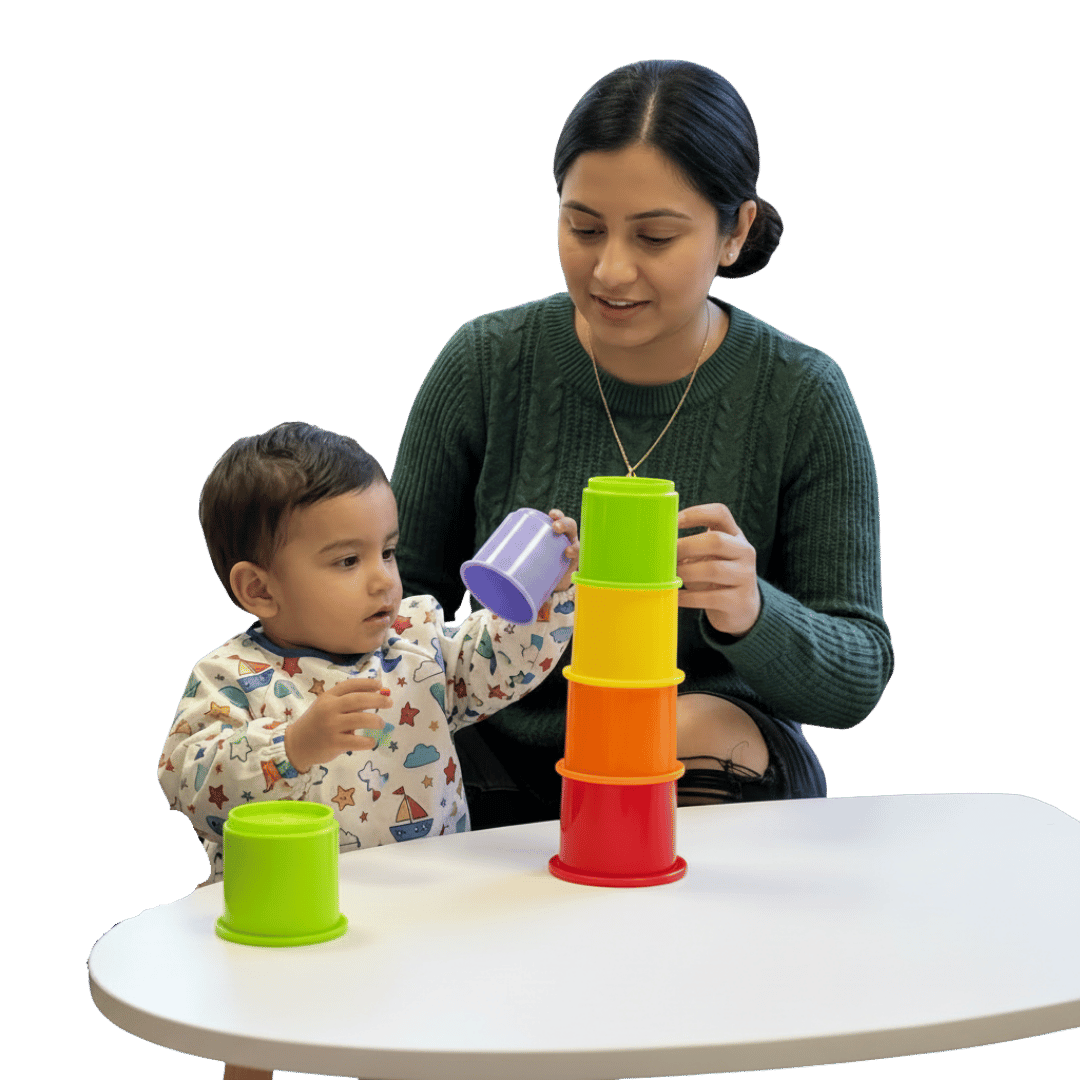
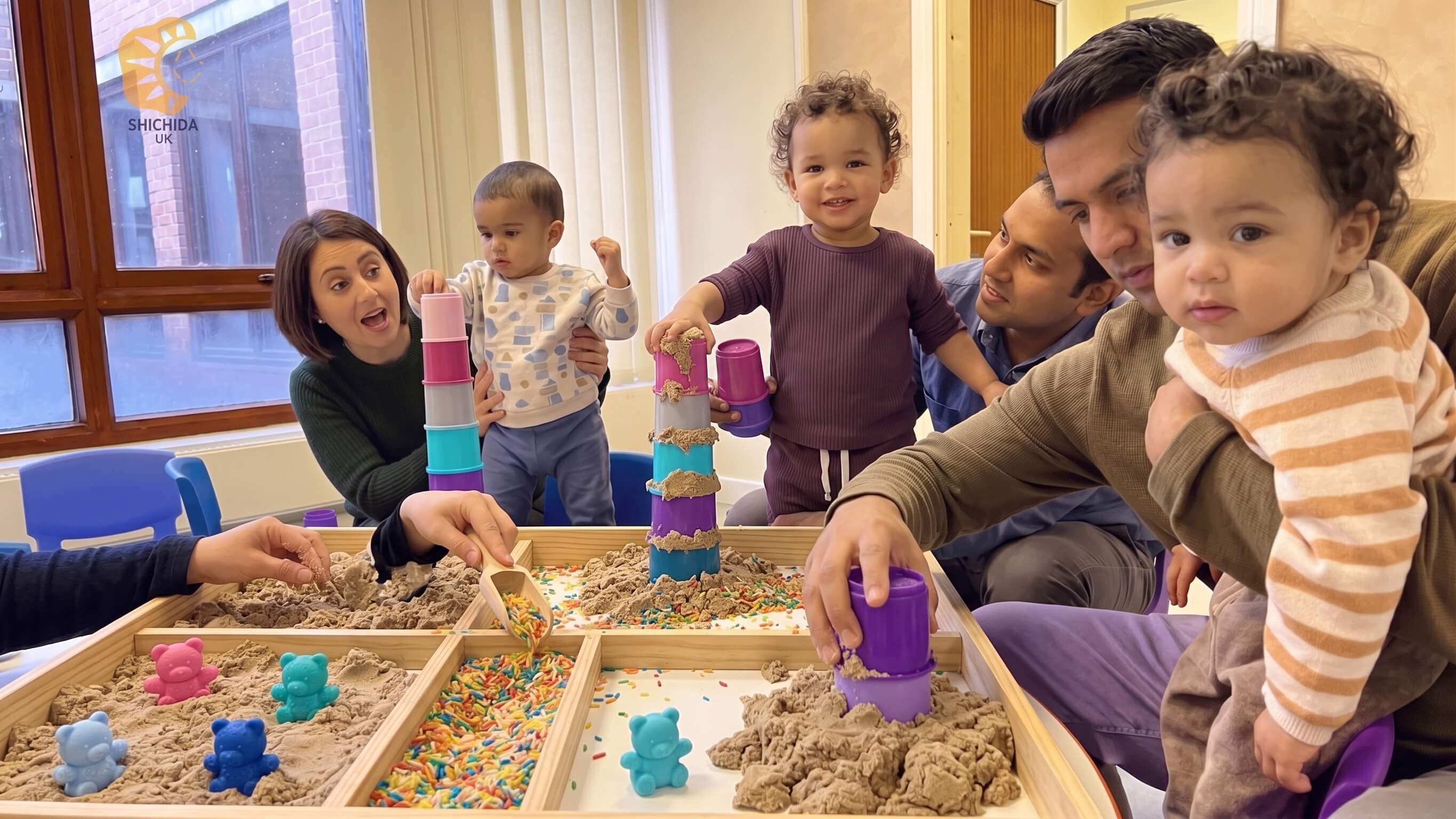
Baby brain development classes in Reading provide structured, sensory-rich environments where infants learn through direct physical experience, repetition, and warm social interaction. Early development is whole-child learning, meaning infants process temperature, sound, movement, and facial expressions all at once. Attending a structured class gives babies repeated opportunities to organise sensory information and build confidence.

How Sensory Stimulation Builds Early Neural Pathways

Sensory experiences help babies build essential brain connections through repeated, meaningful interactions. Early childhood classes focus on four foundational pillars of cognitive growth:

  • Attention and focus: Engaging with interesting stimuli without feeling overwhelmed teaches infants to sustain focus, supporting future concentration.
  • Early memory retention: Repeating familiar action rhymes and sensory routines helps infants anticipate what happens next, activating early memory systems.
  • Motor coordination: Immediate sensory feedback from grasping textured objects, splashing water, or squeezing soft toys teaches babies how to adjust physical effort.
  • Curiosity and confidence: Discovering cause and effect through guided exploration empowers babies to attempt new challenges with enthusiasm.

Casual Playgroups vs. Structured Cognitive Classes

Understanding the difference between unstructured drop-in sessions and evidence-aligned infant programmes helps parents select the right learning environment in Reading.

Unstructured Baby Groups Structured Cognitive Classes (Shichida UK Reading)
Random, noisy stimulation that risks sensory overload and fatigue. Calm, carefully paced activities with one clear sensory focus at a time.
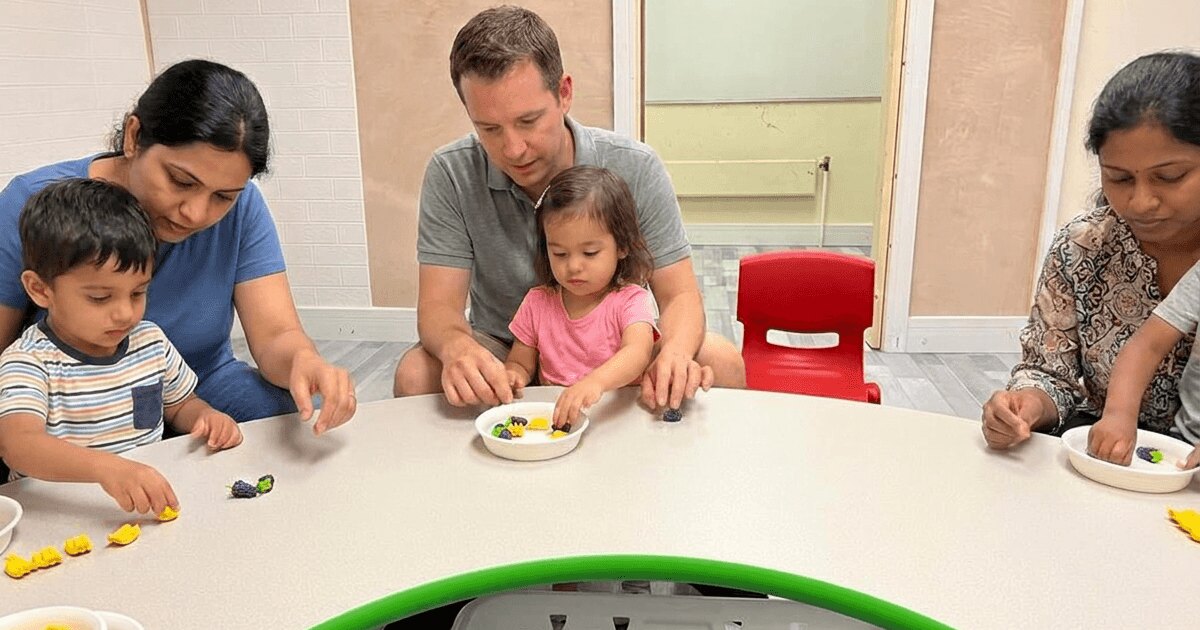
Passive adult supervision with parents watching from a distance. Active parent-child participation on the mat to provide reassurance and connection.
General play without targeted developmental milestones. Age-specific curricula designed to engage both brain hemispheres progressively.

Emotional Bonding and Whole-Brain Growth

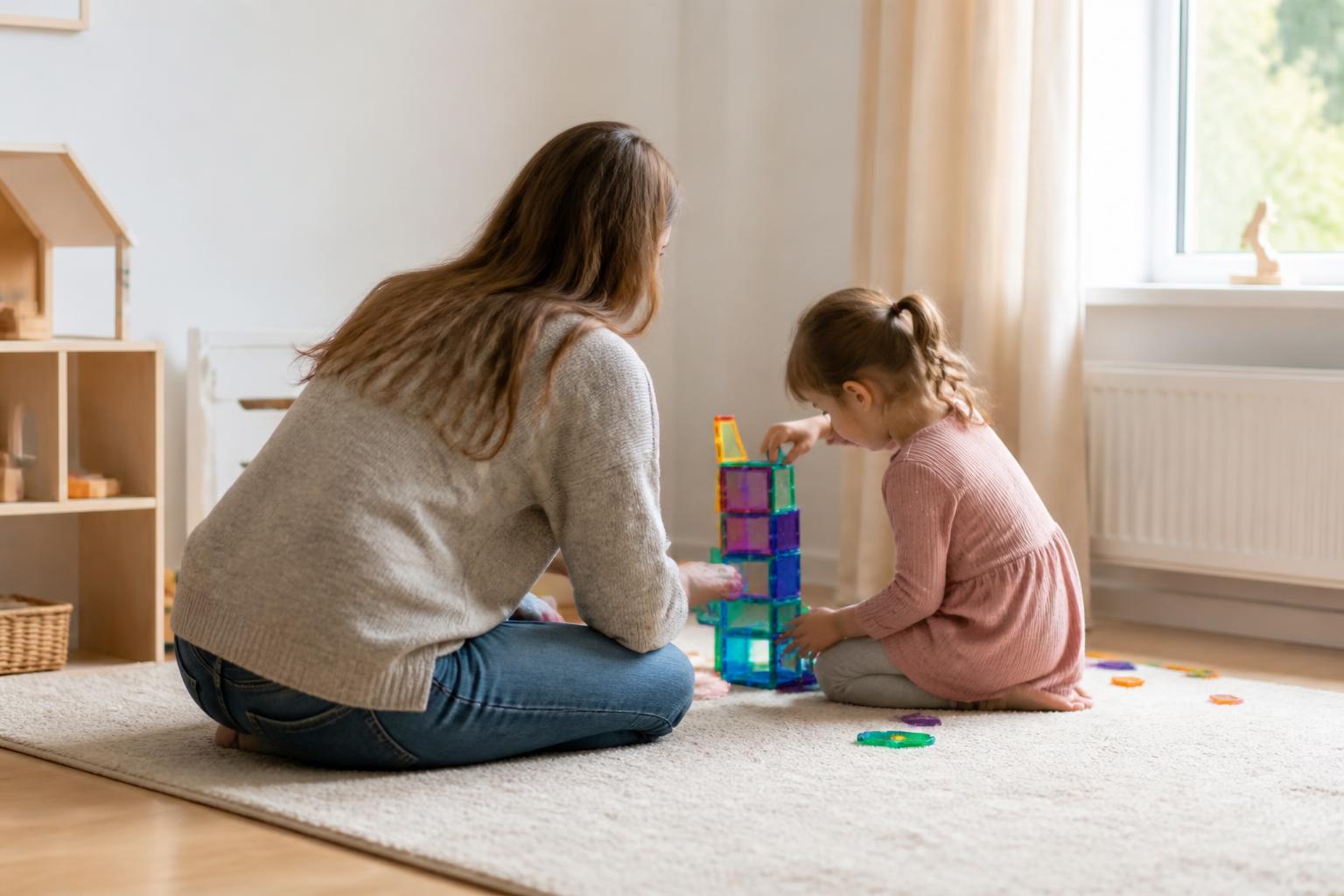
Emotional security is the foundation that makes cognitive learning possible for infants. In the Shichida Method, this philosophy is known as Education of the Heart, which recognises that responsive, connected parenting directly accelerates cognitive progress. When a parent is calm and attentive, an infant feels safe enough to explore unfamiliar textures and sounds without anxiety.

Our dedicated baby classes for 6 to 12 months in Reading use carefully balanced activities to stimulate visual tracking, auditory rhythm, and tactile awareness. If you want to experience how structured play nurtures cognitive foundations firsthand, you can contact our team to arrange a trial class[cite: 1].


Frequently Asked Questions

What age can infants start baby brain development classes in Reading?

Babies can begin structured sensory and cognitive classes from around 6 months of age. At this stage, sessions focus on gentle tactile exploration, sound tracking, and reciprocal parent-child play.

How does sensory play support early cognitive development?

Sensory play delivers rich, multi-channel inputs that stimulate and strengthen neural pathways across both brain hemispheres. This builds the foundational architecture required for memory, sustained attention, and motor planning.

Why must parents actively participate during infant classes?

Infants learn best when they feel completely secure in the presence of a familiar, responsive caregiver. Active parental involvement also equips parents with practical techniques they can easily repeat at home.

How do instructors prevent babies from becoming overstimulated?

Classes focus on one sensory element at a time and keep individual activities short and predictable. Instructors watch closely for signs of fatigue, such as turning away or stiffening, to keep the environment calm.

Do baby brain classes require specialist equipment at home?

No specialist equipment is necessary to continue brain development activities outside of class. Everyday items such as clean cloths, water trays, and interactive songs provide rich sensory stimulation.


Sources & Further Reading

For readers who wish to explore the wider research surrounding infant brain development, sensory learning, and parent-child interaction, the following resources offer trusted guidance:

  1. Center on the Developing Child, Harvard University. Serve and Return: How Interactive Caregiving Shapes Brain Architecture.
  2. Zero to Three. Early Learning, Sensory Play and Infant Cognitive Milestones.
  3. NHS Start for Life. Sensory Engagement and Bonding with Your Baby.
  4. UNICEF. The Science of Early Childhood Brain Development and Stimulation.

Keep the conversation going

Discuss this article with AI

Vandana Prasad

Written by

Vandana Prasad

Executive Director & Head Teacher

With over 15 years of experience in early childhood education, Vandana brings passion and expertise to every class at Shichida UK Reading. Vandana is certified directly from Shichida HQ in Japan.