Classes28 Aug 2026
Baby brain development classes in Reading
Finding effective baby brain development classes in Reading requires looking for classes that combine active parental involvement
Read more
Discover simple, play-based activities you can do at home to build the practical independence, focus, and emotional confidence your child needs for a smooth transition into Reception.
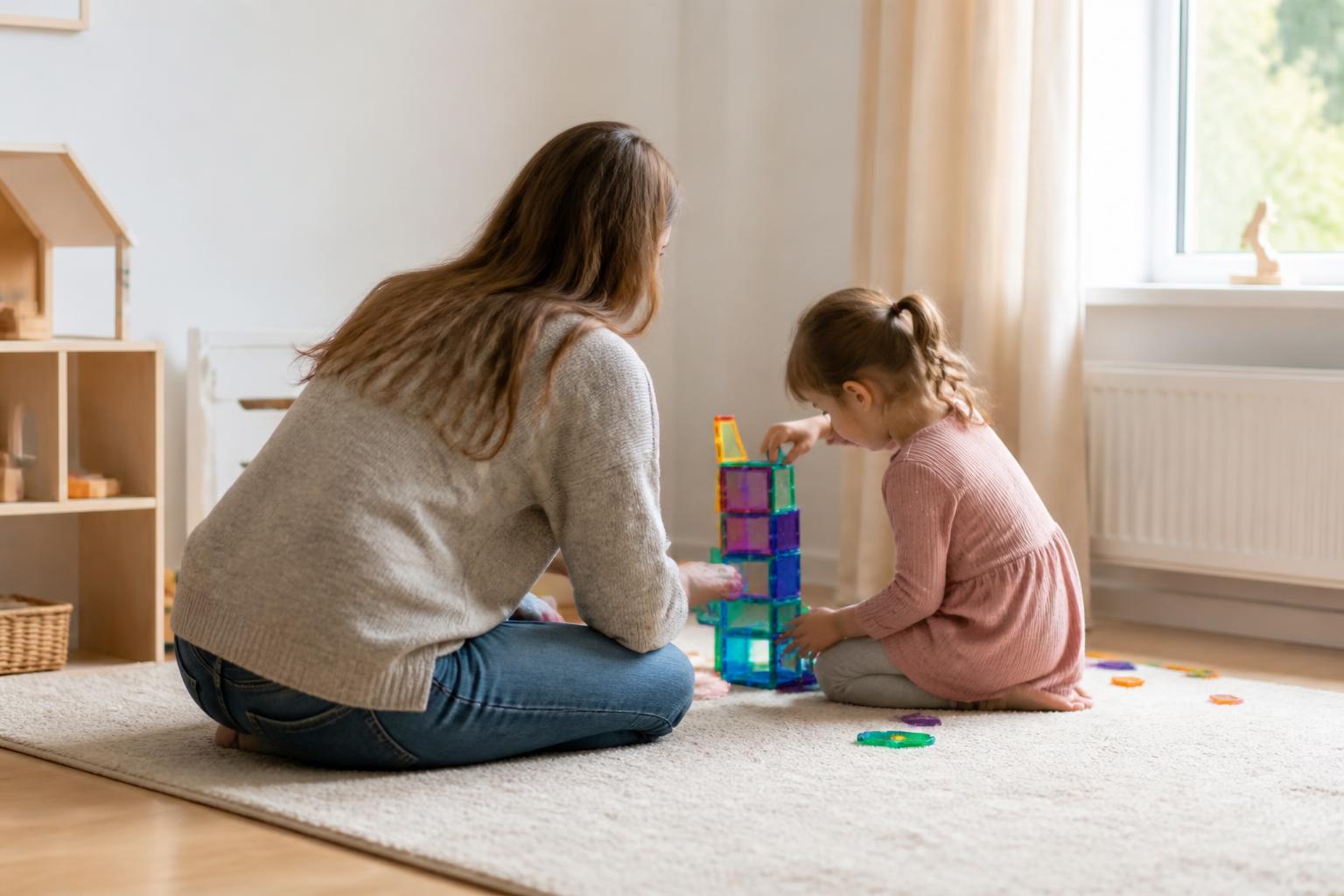
Quick answer: Reception readiness develops through everyday play, shared parent-child routines, and emotional security rather than formal academic drilling. Simple activities like listening games, memory exercises, fine motor play, and turn-taking help children build the essential independence and confidence needed for school.
Reception readiness is frequently misunderstood as academic readiness. Most primary schools look first for children who can comfortably participate in the daily routine rather than those who can complete formal worksheets. Practical independence, effective communication, and emotional security are far more valuable than early academics.
Before starting school, children benefit greatly from practicing foundational life and social skills:
Families looking for structured guidance can explore our school readiness classes for ages 4 to 6, which combine cognitive development with emotional growth.
Understanding how formal academic pressure compares to playful, routine-based preparation helps parents focus on what truly supports a smooth transition into school.
| Traditional Academic Drilling | Practical & Emotional Foundations |
|---|---|
| Focuses on early reading drills and completing paper worksheets. | Focuses on listening, following multi-step instructions, and turn-taking. |
| Expects young children to sit still for extended academic sessions. | Builds self-reliance through practical tasks like managing lunch boxes and coats. |
| Creates performance pressure and anxiety around learning. | Fosters emotional security, curiosity, and confidence through shared play. |
The most effective preparation activities are simple, repeatable, and enjoyable. They require no special equipment and fit easily into short, playful bursts throughout the day.
To see how these concepts progress across different developmental milestones, view our programmes by age for babies, toddlers and young children.
Parents do not need a rigid schedule or formal lessons to prepare their children. Learning happens naturally during breakfast, dressing, tidying up, or bath time.
Keep activities brief, positive, and aligned with your child's natural energy levels. To learn more about our philosophy, read about our approach to parent-child learning or get in touch with our team in Reading.
They are simple shared activities that help children practise listening, speaking, turn-taking, and independence through playful interaction. Short, regular practice sessions work best for building these essential foundational skills.
Short and regular practice is most effective. Even 5 to 10 minutes of focused, playful engagement daily yields better results than occasional long sessions.
No worksheets are necessary. Most valuable preparation involves conversation, movement, storytelling, sorting games, and everyday household routines.
That is entirely normal for young children. Keep activities active, brief, and fun, following your child's natural energy rhythm rather than demanding prolonged sitting.
Listening, following simple instructions, communicating basic needs, taking turns, and feeling secure in new environments matter most. These build the core stability needed for a smooth transition into school life.
For readers who wish to explore early years development and school readiness further, the following authoritative organisations offer trusted further reading:
Keep the conversation going
Keep Reading
Finding effective baby brain development classes in Reading requires looking for classes that combine active parental involvement
Read more
A parent's guide to the most effective early childhood cognitive development programs in the UK, including the Shichida Method, Incredible Years, BrightMinds, Peeple, and Montessori.
Read more
Everything you need to know before your first early years cognitive development class — how to book, what to bring, and what happens on the day.
Read more