Classes8 Oct 2019
A Walk Through a Typical Shichida Session
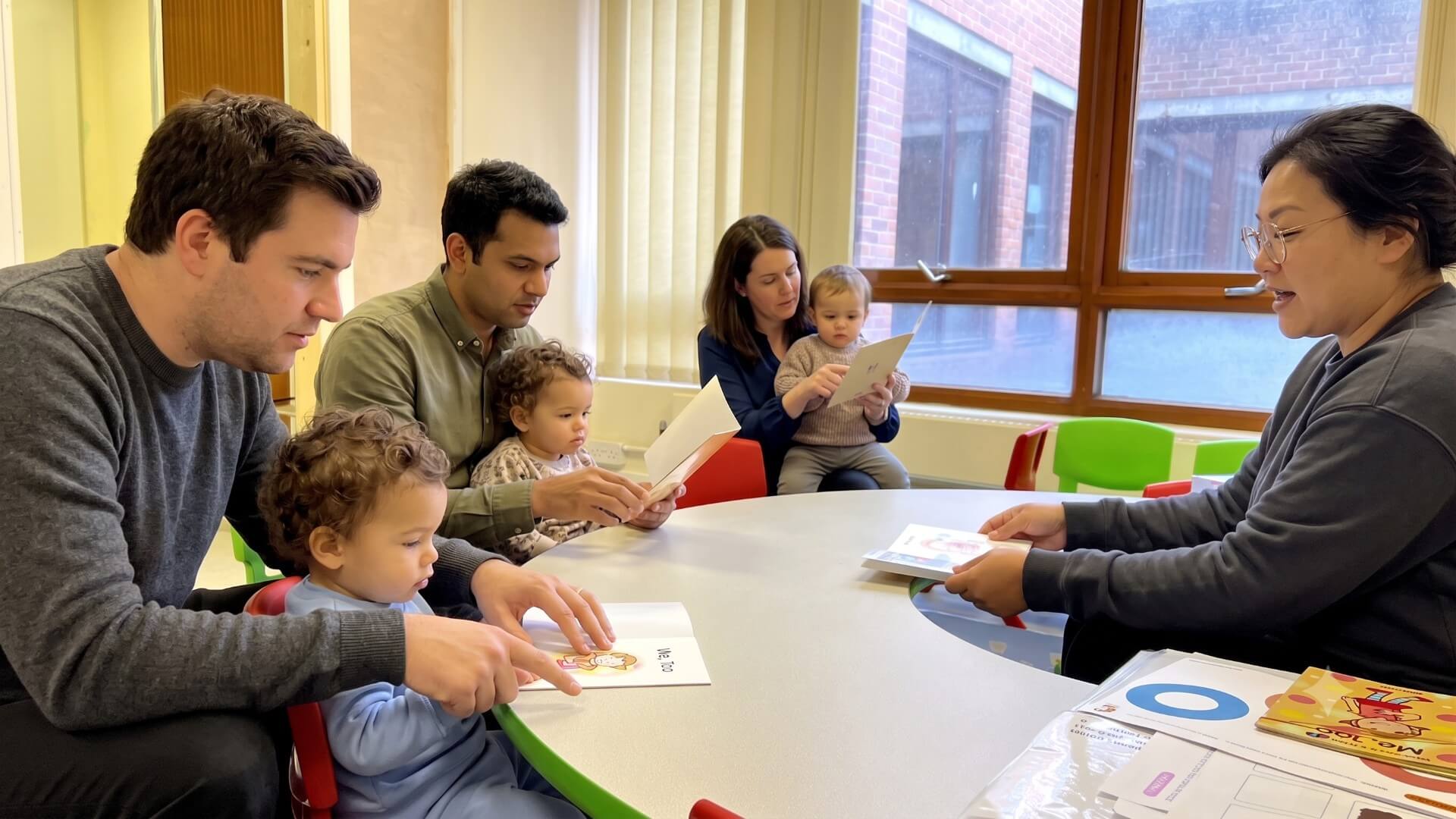
Never been to a class? Here is the hour, minute by minute, so you know exactly what you are walking into.
Read more
Wriggling, wandering, watching from your lap. Why none of it means the class is not working.
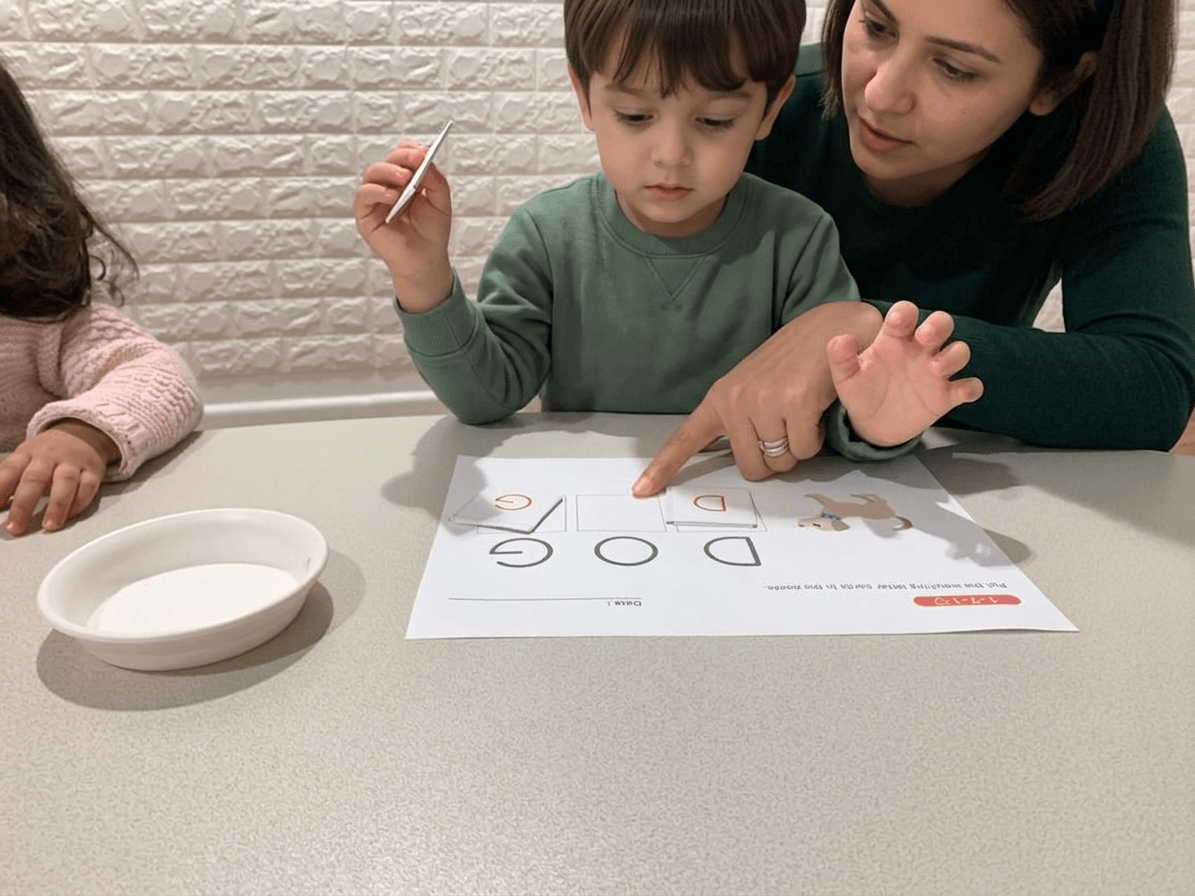
Almost every parent has the same worry in the first few weeks. Everyone else's child appears to be sitting beautifully while yours is halfway to the door. In reality, the other parents are thinking exactly the same thing about theirs.
Activities change every two or three minutes. A child who has drifted away almost always re-engages when the next thing begins. That rapid rotation is not just for stimulation — it is the mechanism by which restless children stay in the hour.
A child watching from your lap is still hearing every word, seeing every card and taking in the rhythm of the room. Passive absorption is genuine absorption at this age. We would far rather a child observes contentedly than is compelled to join in.
If restlessness persists for a term, or your child seems distressed rather than simply busy, speak to your instructor. Sometimes the answer is a different class time; occasionally it is a different stage. It is never a reason to give up.
Curious to see it for yourself? The easiest way to understand a Shichida class is to sit in one. Message our team on WhatsApp to book a trial class and we will help you choose the right stage for your child.
For readers who would like to explore the wider science of early years cognitive development, the following authoritative organisations offer trusted further reading:
Keep Reading
Never been to a class? Here is the hour, minute by minute, so you know exactly what you are walking into.
Read more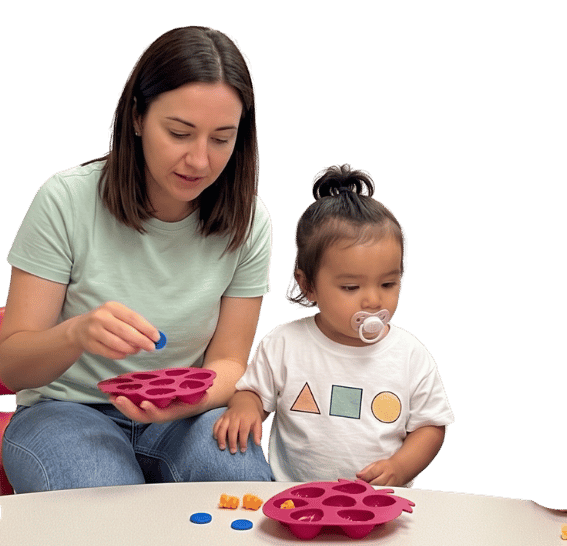
One hour, once a week, more than twenty activities. Why that particular shape works so well for cognitive development in the early years.
Read more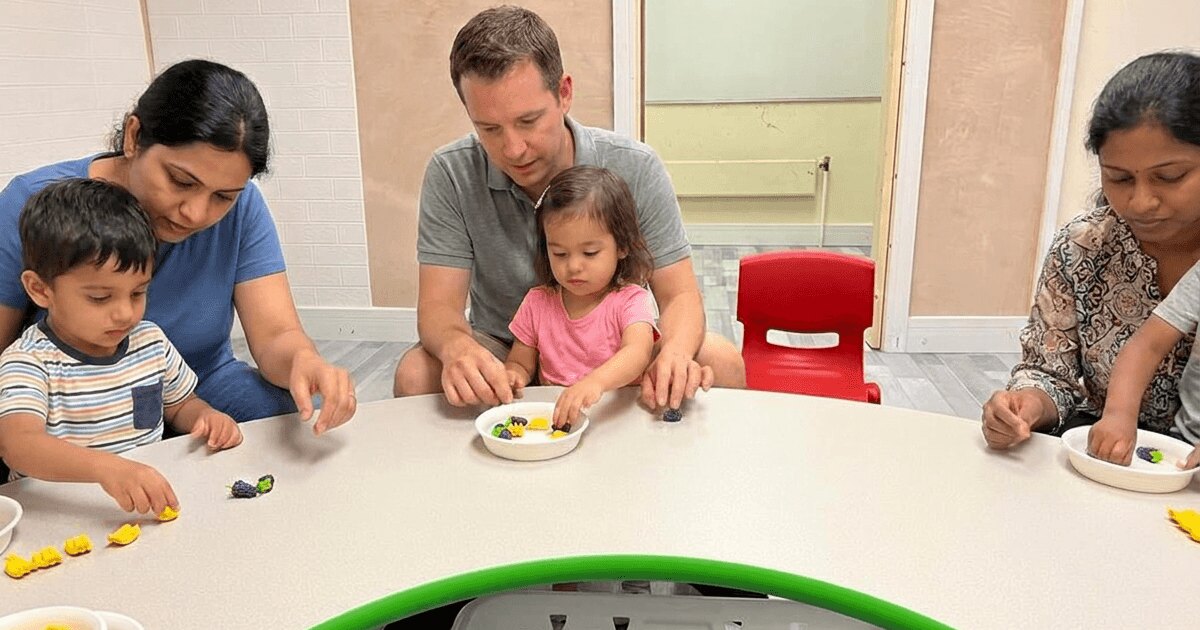
A parent's guide to the most effective early childhood cognitive development programs in the UK, including the Shichida Method, Incredible Years, BrightMinds, Peeple, and Montessori.
Read more