Parenting15 Mar 2022
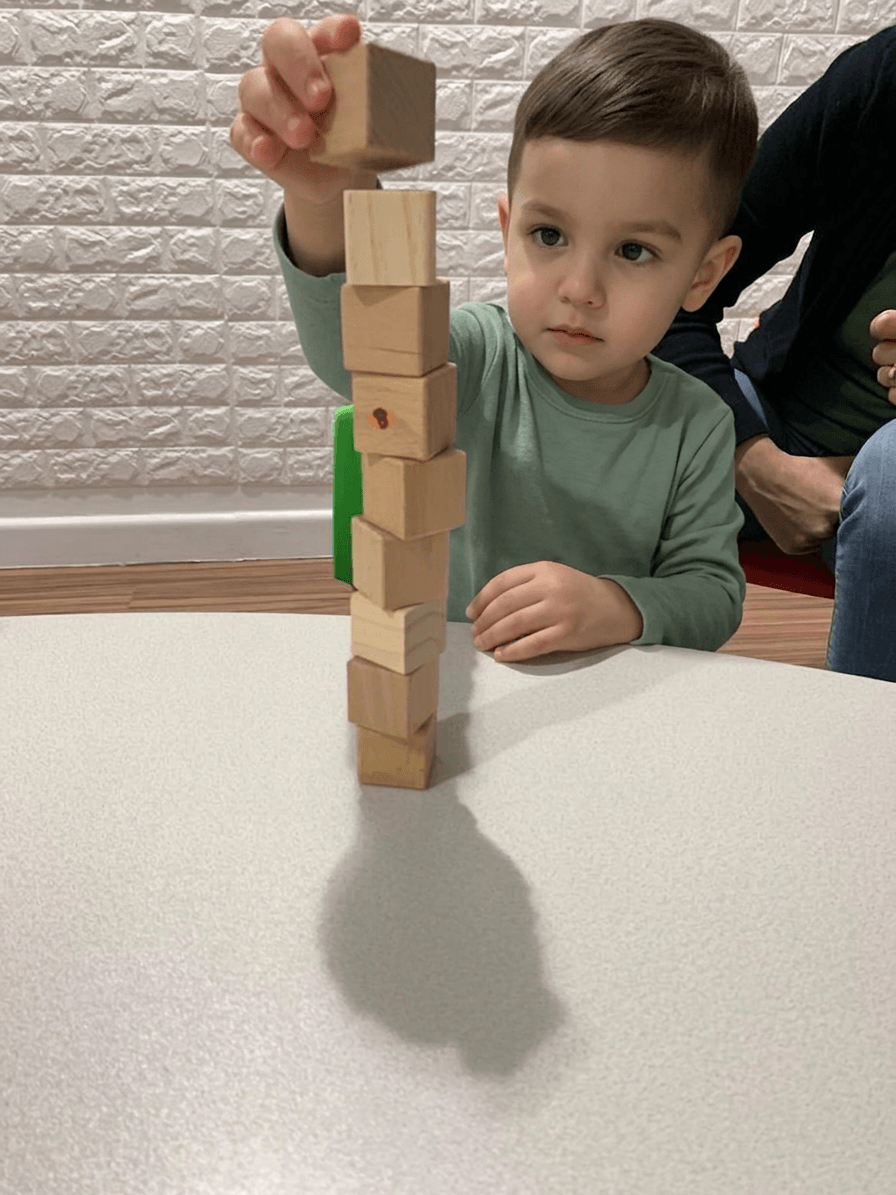
Five Shichida Activities You Can Do at Home Today
Practical, tested cognitive development activities from our classroom, adapted for a kitchen table and a five-minute window.
Read more
Sixty years of early years research, condensed into an hour a week. Here is what the Shichida Method actually is as an approach to early cognitive development, and what it is not.
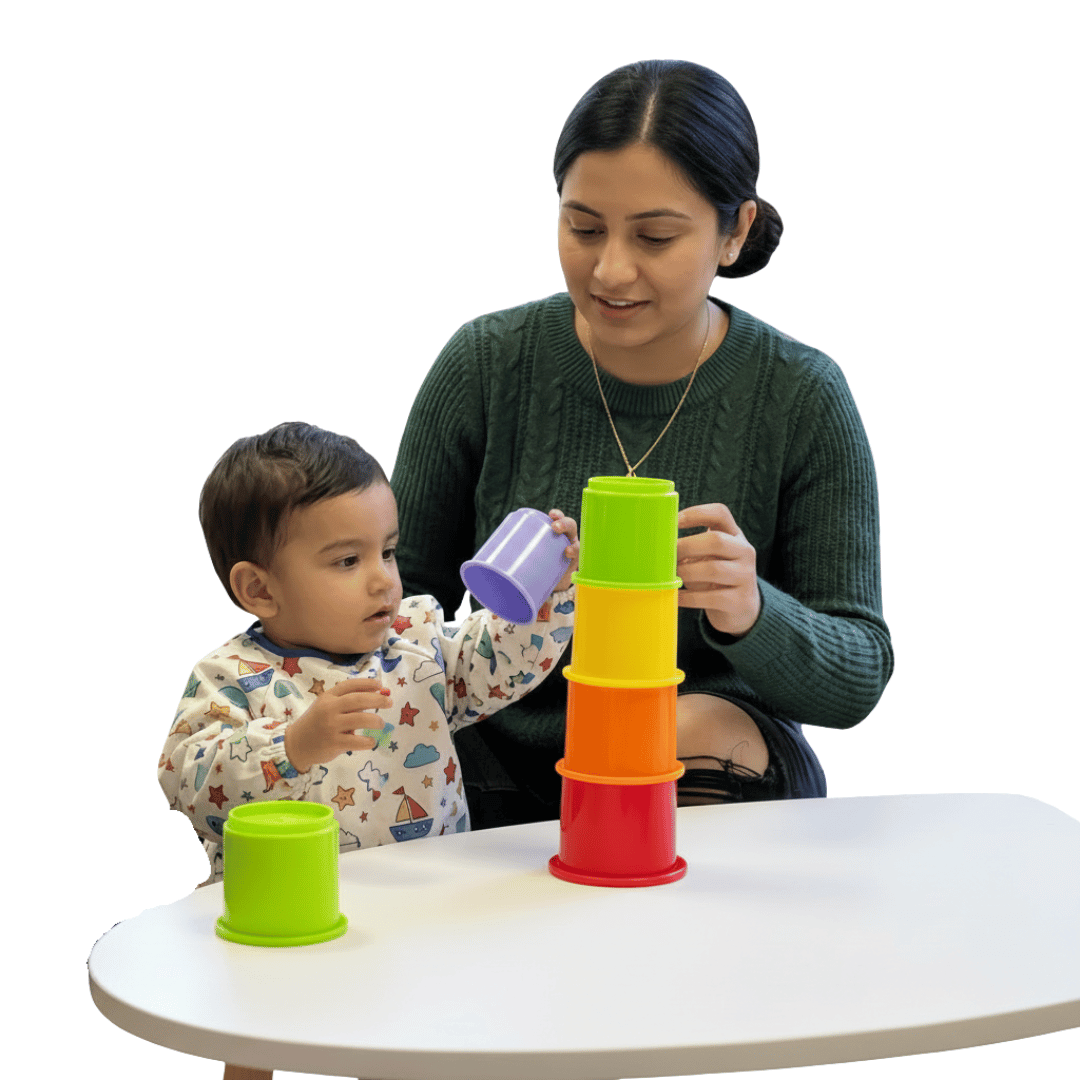
The Shichida Method was developed by Professor Makoto Shichida, a Japanese educator who spent more than four decades studying how young children take in and hold on to information. His central observation was simple but unusual for its time: very young children process the world differently from older children and adults, and the teaching methods designed for school-age pupils quietly waste that difference.
Most early academic teaching is sequential. One fact, then the next, repeated until it sticks. That suits the analytical, language-driven side of the brain. Young children, however, are extraordinarily good at absorbing whole images, patterns and rhythms at speed — a capacity that fades as they grow. The Shichida Method deliberately exercises both: rapid visual and pattern-based work to keep that early capacity alive, alongside language, logic and fine motor work to build the analytical skills school will later ask for.
A session lasts sixty minutes and moves through more than twenty short activities. Flashcard sequences, memory recall games, spatial puzzles, music and rhythm, fine motor tasks, and quiet heart-based exercises that close the hour calmly. Nothing lasts long enough to become a chore.
It is not tutoring, it is not cramming, and it is not a race. There are no tests, no rankings and no homework in the school sense. A child who spends the hour watching from your lap is still absorbing the session. The aim is a confident, curious learner — not a party trick.
By the age of six a child's brain has reached roughly ninety per cent of its adult volume, and the density of new connections being formed is higher than it will ever be again. Working with that window is far easier than trying to recreate it later.
Curious to see it for yourself? The easiest way to understand a Shichida class is to sit in one. Message our team on WhatsApp to book a trial class and we will help you choose the right stage for your child.
For readers who would like to explore the wider science of early years cognitive development, the following authoritative organisations offer trusted further reading:
Keep Reading
Practical, tested cognitive development activities from our classroom, adapted for a kitchen table and a five-minute window.
Read more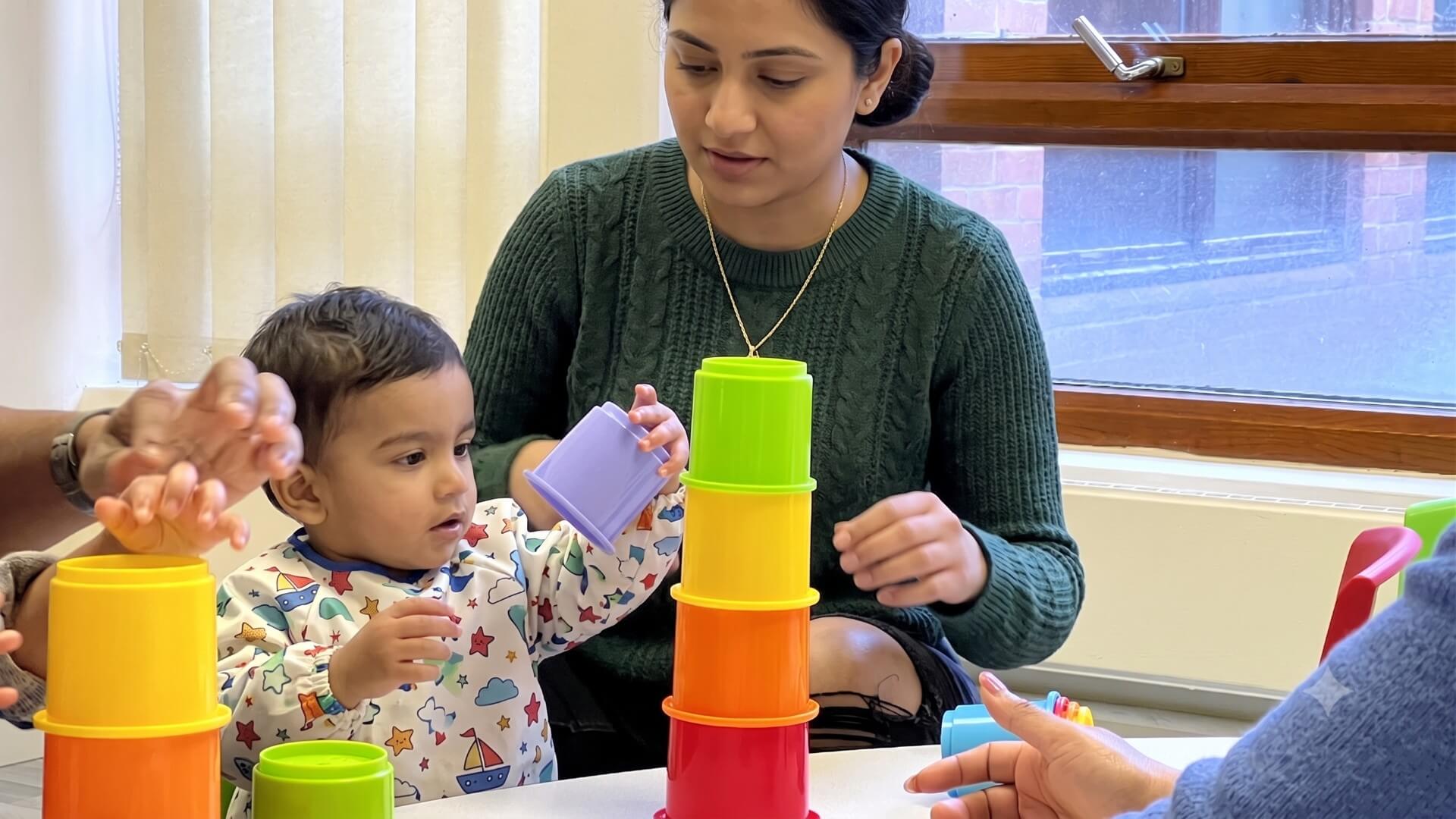
Why do we show cards so quickly? Because speed is the point. A look at what rapid visual input does for cognitive development in a young brain.
Read more
The part of the Shichida Method that has nothing to do with memory, and everything to do with the emotional side of early cognitive development.
Read more